
Practicing mindfulness through meditation actively reshapes your brain by strengthening neural pathways associated with calmness and emotional resilience. It reduces activity in stress-related areas like the amygdala and enhances growth in regions like the prefrontal cortex, helping you manage emotions better. This rewiring makes you more resistant to stress and improves your overall mental health over time. If you stay committed, you’ll discover how sustained practice continues to foster resilience and well-being.
Key Takeaways
- Meditation promotes neuroplasticity by rewiring neural circuits associated with stress, emotion regulation, and resilience.
- Regular mindfulness practice enhances connectivity in the prefrontal cortex, supporting emotional stability and clarity.
- Brain regions like the amygdala decrease in activity and size, reducing fear and stress responses over time.
- Mindfulness strengthens neural pathways that foster calmness, enabling easier management of stress and negative emotions.
- The ongoing brain rewiring from meditation leads to long-term improvements in mental health and emotional well-being.

Mindfulness practices can profoundly influence how your brain adapts and changes over time, thanks to the brain’s remarkable ability called neuroplasticity. When you commit to regular meditation or mindfulness exercises, you’re actively shaping the structure and function of your brain in ways that promote stress reduction and improve emotional regulation. These benefits aren’t just temporary; they can lead to lasting changes that enhance your overall mental well-being.
As you practice mindfulness, you train your brain to better manage stress. Instead of reacting impulsively to stressful situations, you develop a calmer, more centered response. This occurs because mindfulness strengthens the neural pathways associated with relaxation and resilience. Over time, regions like the amygdala, which processes fear and stress, tend to decrease in size or activity, making it easier for you to stay calm under pressure. Meanwhile, areas involved in emotional regulation, such as the prefrontal cortex, become more active and interconnected. This heightened activity helps you interpret emotional stimuli more objectively, reducing the likelihood of being overwhelmed by negative feelings.
Your brain’s ability to rewire itself means that consistent mindfulness practice can lead to significant shifts in how you handle emotions. When you focus on your breath or sensations in your body, you’re training your brain to stay present rather than ruminate on past mistakes or future worries. This present-centered awareness enhances your capacity to observe emotions without immediately reacting to them, fostering greater emotional stability. As a result, you’re less likely to experience mood swings or emotional outbursts, promoting a more balanced mental state.
Furthermore, mindfulness influences neuroplasticity by promoting the growth of new neural connections. These connections reinforce positive thought patterns and adaptive responses, making it easier for you to access calmness and clarity in stressful moments. The more you engage in mindfulness, the more your brain rewires itself to favor resilience and emotional intelligence. You begin to notice that stressful situations no longer trigger intense reactions as readily, because your brain has developed new pathways for managing stress effectively.
In addition, understanding the concept of celebrity transformations can inspire you to view your own mental health journey as a process of growth and positive change. In essence, mindfulness acts as a catalyst for brain change, helping you reconfigure neural circuits associated with stress and emotion. This rewiring isn’t just about feeling better in the moment; it’s about creating a mental framework that supports long-term emotional health. Thanks to neuroplasticity, your consistent practice can transform how your brain responds to daily challenges, making stress reduction and emotional regulation more natural and accessible.

Retrospec Sedona Zafu Meditation Cushion with Buckwheat Hull Fill – Adjustable Yoga & Pilates Equipment Support – 17in Crescent Cotton Cover
NATURAL COMFORT & SUPPORT: Filled with sustainable buckwheat hulls, this meditation cushion elevates your practice by aligning your…
As an affiliate, we earn on qualifying purchases.
As an affiliate, we earn on qualifying purchases.
Frequently Asked Questions
How Long Does It Take to See Brain Changes From Meditation?
You can start noticing brain changes from meditation within just a few weeks. Brain change timelines vary based on meditation duration and consistency, but many experience improvements after 8 to 12 weeks of regular practice. As you meditate consistently, you’ll likely see increased gray matter density and better emotional regulation. Keep at it, and your brain will continue to reshape and strengthen over time, reflecting your dedication and practice duration.
Can Neuroplasticity Effects From Meditation Last Permanently?
Yes, the neuroplasticity effects from meditation can last long-term if you maintain your practice consistently. Your brain builds resilience and strengthens neural pathways, leading to lasting changes in emotional regulation, focus, and stress management. By regularly engaging in meditation, you promote long-term retention of these benefits, making your brain more adaptable and resilient over time. The key is sustained practice to reinforce and preserve these positive neuroplastic changes.
Does Age Affect the Brain’s Ability to Change Through Mindfulness?
Age does affect your brain’s ability to change through mindfulness, but it doesn’t stop it. While age-related decline can slow neuroplasticity, your brain remains capable of lifelong learning. Regular meditation can still promote positive changes, strengthen connections, and enhance your mental health, regardless of age. Embracing mindfulness at any stage helps counteract decline and fosters ongoing growth and adaptability in your brain’s wiring.
Are Certain Meditation Techniques More Effective for Neuroplasticity?
Imagine you’re a medieval alchemist, experimenting with different potions—some meditation styles, like focused attention and loving-kindness, tend to be more effective for boosting neuroplasticity. You find that the effectiveness factors include consistency, your intention, and how well the technique suits your personality. So, try various styles to see which one sparks the greatest brain changes, and remember, persistence is key, just like in any epic quest.
How Does Meditation Compare to Other Neuroplasticity-Enhancing Activities?
You find that meditation often rivals brain training games and physical activity in enhancing neuroplasticity. While brain training targets specific skills, meditation fosters overall neural flexibility, and physical activity boosts brain health through increased blood flow. Combining these activities creates a powerful synergy, strengthening neural pathways and promoting cognitive resilience. So, engaging in meditation alongside other neuroplasticity-enhancing activities maximizes your brain’s ability to adapt and grow.

Brain Jump – Brain training and education for kids with Ned the Neuron. Games focus on cognitive skills including memory, attention, and concentration.
** Full Version Features **
As an affiliate, we earn on qualifying purchases.
As an affiliate, we earn on qualifying purchases.
Conclusion
As you meditate, imagine your brain as a garden, each mindful breath planting seeds of change. With patience and practice, these seeds grow into vibrant pathways, reshaping your mind’s landscape. Mindfulness acts as the gentle gardener, nurturing neuroplasticity’s blooms. So, keep tending to your inner garden—each moment of awareness is a drop of water, turning your brain into a thriving sanctuary of resilience and clarity. Your transformation begins with the smallest act of presence.

Palo Santo Sticks – Incense Sticks for Spiritual Cleansing, Stress Relief, Meditation Accessories, Home Fragrance – Sustainably Wild Harvested – Pack of 6 – Alternative Imagination
POSITIVE EXPERIENCE: Alternative Imagination Palo Santo Incense Wood Sticks are ethically sourced from South America. They are wild-harvested…
As an affiliate, we earn on qualifying purchases.
As an affiliate, we earn on qualifying purchases.
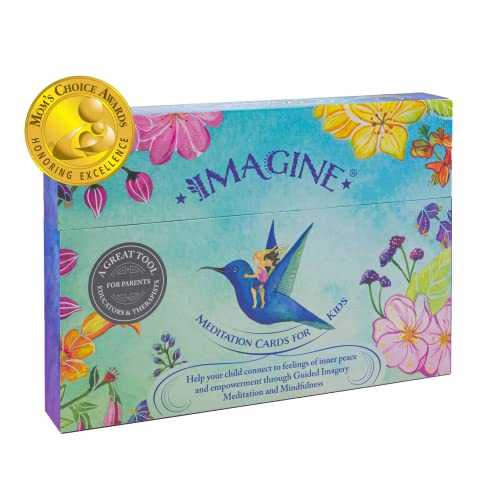
Imagine Meditation Cards for Kids – Award-Winning Mindfulness kit of XL Cards with Calming Guided Meditations for Empowerment, Focus and Relaxation. Great for Parents, Teachers and Therapists.
🌈 [AWARD-WINNING PREMIUM QUALITY Meditation kit and Mindfulness game for kids] providing a FUN and RELAXING activity for…
As an affiliate, we earn on qualifying purchases.
As an affiliate, we earn on qualifying purchases.