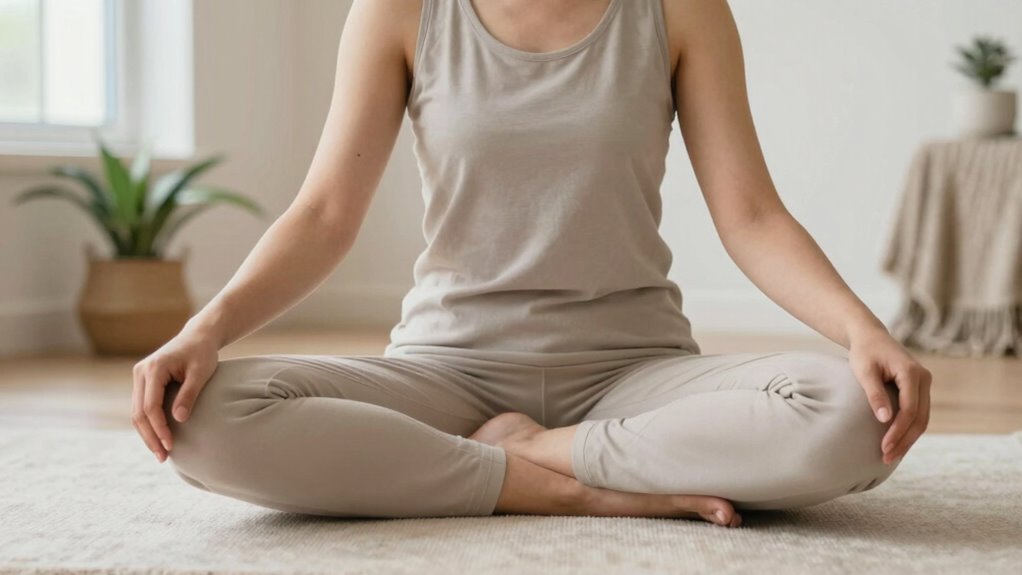

To incorporate breathwork simply, find a comfortable seat and close your eyes if you like. Breathe slowly and deeply through your nose, then exhale gently through your mouth or nose, letting go of tension. Focus entirely on the sensation of your breath, without counting or patterns. When your mind wanders, gently bring your attention back. This effortless practice can easily become part of your daily routine, and sticking with it will reveal even more easy ways to find calm.

Get health and wellness essentials delivered free with Prime
- Fast, free delivery on millions of items
- Prime Video, Amazon Music and more included
- Member-only deals all year
Key Takeaways
- Keep your practice simple: focus on slow, deep breaths without counting or complex patterns.
- Practice anytime and anywhere, such as during breaks or before bed, to build consistency.
- Prioritize awareness of the sensation of breathing rather than trying to control or modify it.
- Gently redirect your attention back to your breath whenever your mind wanders.
- Emphasize regular, relaxed practice over perfection to develop lasting stress relief habits.
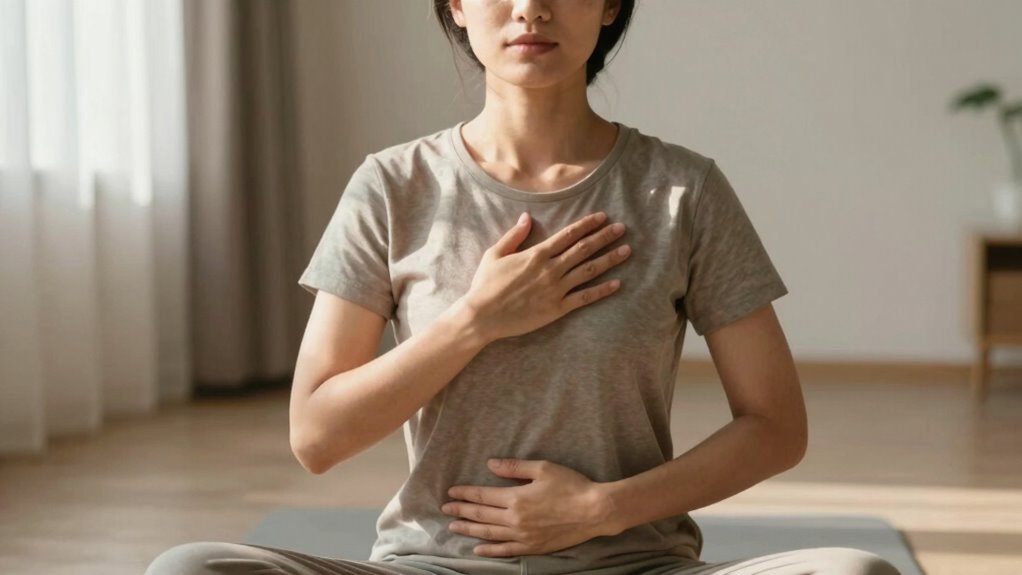
Have you ever wondered how simply controlling your breath can transform your mental and physical well-being? It’s a powerful realization that mindful breathing can be a quick, effective tool for managing stress and improving your overall health. You don’t need complicated routines or fancy equipment to start. Just a few minutes of focused breathing can make a noticeable difference. The key is to keep it simple and approachable.
Begin by paying attention to your breath. Sit comfortably, close your eyes if you want, and take a slow, deep breath in through your nose. Feel the air fill your lungs and expand your chest. Then, exhale gently through your mouth or nose, releasing tension as you go. This simple act of mindful breathing helps you become more aware of your body and your emotional state. It’s a natural way to ground yourself in the present moment and create a sense of calm. You don’t have to count or follow complicated patterns—just focus on the sensation of breathing. As you do this regularly, you’ll notice your stress levels start to decrease. Incorporating natural relaxation techniques like mindful breathing can support sustainable stress management. Research shows that controlled breathing can also influence autonomic nervous system responses, promoting relaxation and reducing anxiety. Developing awareness of body signals during breathwork can further enhance its effectiveness.
A regular practice can also help you recognize early warning signs of stress or imbalance, supporting overall well-being. Stress relief isn’t about doing perfect breathing exercises; it’s about consistency and awareness. You can practice mindful breathing anytime—during a break at work, before bed, or even while waiting in line. The more you do it, the more your nervous system learns to relax under pressure. If you find your mind wandering, gently bring your focus back to your breath. No judgment, no pressure—just a gentle return. It’s normal for thoughts to drift; the practice is about noticing that and returning your attention to your breath without frustration. Over time, this simple technique helps you develop a greater sense of control over your responses to stress. Additionally, understanding the importance of early detection of metabolic disorders can motivate you to maintain overall health and well-being.
mindful breathing exercise tools
As an affiliate, we earn on qualifying purchases.
As an affiliate, we earn on qualifying purchases.
Frequently Asked Questions
Can Breathwork Replace Medical Treatment for Anxiety or Depression?
Breathwork can’t replace medical treatment for anxiety or depression, but it serves as a helpful complementary practice. While alternative therapies like breathwork can reduce symptoms and promote relaxation, you should always follow medical advice from healthcare professionals. Incorporate breath exercises alongside your prescribed treatments to enhance well-being, but don’t rely solely on it. Always consult your doctor before making changes to your mental health care plan.
What Are the Best Times of Day to Practice Breathwork?
The best times to practice breathwork are during your morning routine and evening relaxation. It’s like giving your day a superpower boost right at the start, helping you stay calm and focused. In the evening, breathwork helps you unwind and release stress from the day’s chaos. Whether you do it to energize or relax, these times fit seamlessly into your daily rhythm, making breathwork simple and effective.
Is Breathwork Safe for Pregnant Women or Those With Health Issues?
Breathwork can be safe during pregnancy and for those with health issues if you take proper precautions. Pregnancy considerations include avoiding breath-holds and intense techniques, and always consulting your healthcare provider before starting. For health condition modifications, adapt exercises to your comfort level and avoid any that cause discomfort or dizziness. Always listen to your body, and if anything feels wrong, stop immediately and seek medical advice.
How Long Should Each Breathwork Session Last for Beginners?
For beginners, each breathwork session should last about 5 to 10 minutes. Start with simple breathing techniques like deep breaths or diaphragmatic breathing. Focus on maintaining a steady, comfortable session duration, and gradually increase it as you become more experienced. Pay attention to your body’s signals, and don’t push yourself too hard. Consistency is key, so aim for regular practice within this manageable time frame.
Can Breathwork Help Improve Sleep Quality Naturally?
Yes, breathwork can naturally improve your sleep quality by promoting sleep enhancement and reducing stress. When you practice calming breathing techniques before bed, you activate your parasympathetic nervous system, helping you relax. Focus on slow, deep breaths to lower anxiety and ease your mind. Consistent practice can make a noticeable difference in your sleep patterns, making it a simple, effective tool for better rest without overcomplicating your routine.
As an affiliate, we earn on qualifying purchases.
Conclusion
As you embrace breathwork with simplicity, you reveal its true power—yet, the journey doesn’t end here. There’s a deeper layer waiting to be discovered, a subtle shift that could transform your entire experience. Will you dare to explore beyond the basics? Trust that the next breath might hold the key to a newfound clarity. Sometimes, the most profound revelations come when you least expect them—are you ready to find out what’s next?
As an affiliate, we earn on qualifying purchases.
stress relief breathing accessories
As an affiliate, we earn on qualifying purchases.
As an affiliate, we earn on qualifying purchases.
Cold & flu season Picks
humidifiers
As an affiliate, we earn on qualifying purchases.