
Food quality and quantity are different but equally important aspects of a healthy diet. Quality focuses on the nutrients, safety, and overall health benefits of the foods you choose, like fruits, vegetables, and lean proteins. Quantity, on the other hand, relates to how much you eat to maintain a healthy weight and energy balance. Understanding the distinction helps you make smarter choices. Continue exploring to discover how balancing both can optimize your health and well-being.

Get health and wellness essentials delivered free — and shop member deals
- Fast, free delivery on millions of items
- Access to Prime Big Deal Days deals on October 6–7
- Prime Video, Amazon Music and more included
Key Takeaways
- Food quality focuses on nutrient content and safety, while food quantity concerns portion size and caloric intake.
- High-quality foods provide essential nutrients, whereas quantity addresses how much food is consumed.
- Proper food quality prevents deficiencies; appropriate quantity avoids over- or under-eating health issues.
- They are interrelated but require separate considerations for optimal health and balanced nutrition.
- Technological tools can help manage both aspects independently for better dietary decision-making.

Have you ever wondered how the balance between food quality and quantity impacts your health and well-being? It’s a question that often gets overlooked because many people assume that eating more food automatically means better health. But that’s not the case. Food quantity simply refers to how much you eat, while food quality focuses on what you’re eating. These are two separate conversations, and understanding their differences can make a big difference in your overall health.
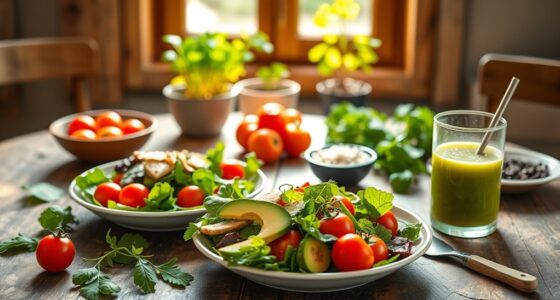
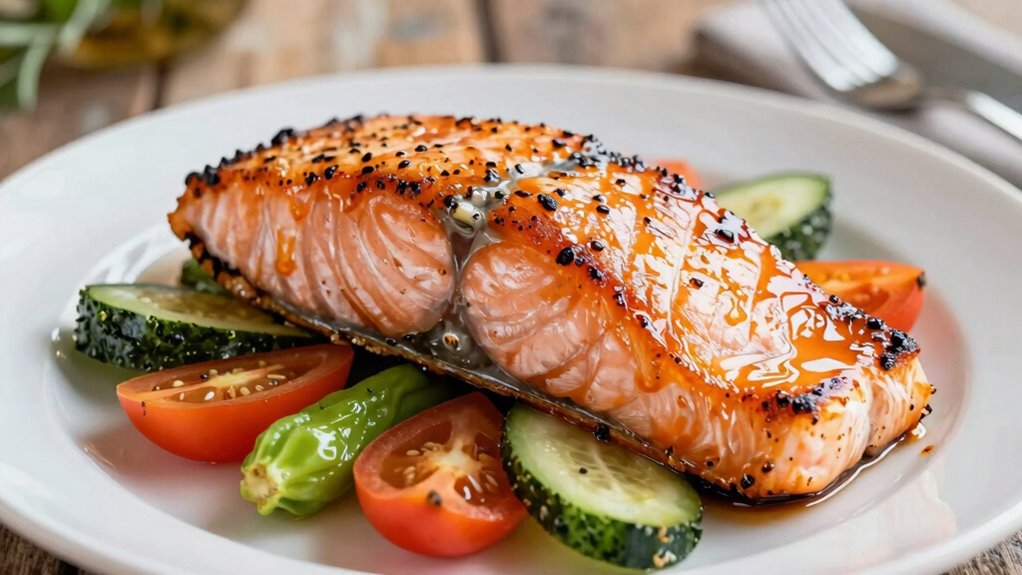
When we talk about food quality, we’re really talking about the nutritional value of what’s on your plate. High-quality foods, like fresh fruits, vegetables, lean proteins, and whole grains, provide essential nutrients that your body needs to function properly. They’re rich in vitamins, minerals, fiber, and antioxidants, all of which support immune health, energy levels, and mental clarity. Low-quality foods—think processed snacks, sugary drinks, and fast food—may satisfy immediate hunger, but they often lack these *indispensable* nutrients. Instead, they can contribute to nutrient deficiencies and long-term health problems. So, focusing on food quality isn’t just about eating “clean,” it’s about *guaranteeing* your body gets what it needs to thrive.
Food safety is another *imperative* aspect tied to food quality. It involves handling, storing, and preparing food in ways that prevent contamination and foodborne illnesses. Even if your food is nutrient-dense, consuming contaminated or improperly handled food can jeopardize your health. That’s why choosing reputable sources, washing produce thoroughly, cooking meats properly, and storing food at the right temperatures are essential steps. Proper food handling practices are also supported by industry standards that help maintain overall food quality. Ensuring proper food handling practices can also extend to understanding food safety standards and how they influence overall food quality. Food safety isn’t just a matter of avoiding illness; it’s a *critical* part of maintaining the overall quality of what you eat. By prioritizing safe, high-quality foods, you reduce risks and support your body’s resilience.
On the other hand, focusing solely on food quantity can lead you astray. Overeating, even healthy foods, can result in weight gain and other health issues. Conversely, eating too little may cause nutrient deficiencies, fatigue, and poor immune function. Balance is key. It’s not just about how much you eat but what you’re eating and how safe it is. When you prioritize food quality, you *guarantee* that your body receives the right nutrients. When you manage food quantity, you avoid overburdening your system or depriving it of necessary fuel. Additionally, understanding the *impact* of portion sizes and caloric intake can help you make more informed decisions about your diet.
In essence, food quality and quantity are two sides of the same coin, but they require separate considerations. One is about what’s inside your food—the nutrients and safety—while the other is about how much you consume. Recognizing this distinction helps you make smarter choices that nourish your body properly without risking your health. Understanding how artificial intelligence and technology can assist in tracking and improving your diet is an emerging area that can further empower you to make informed decisions.
As an affiliate, we earn on qualifying purchases.
Frequently Asked Questions
How Does Food Safety Relate to Food Quality?
Food safety directly impacts food quality, as contamination control is essential for guaranteeing products are safe to eat. When you follow safety protocols, you prevent harmful bacteria and contaminants from compromising the food’s integrity. This not only protects consumers but also maintains the desired quality standards. So, maintaining strict safety protocols ensures your food remains both safe and high-quality, reinforcing trust and satisfaction among those who enjoy your products.
Can Increasing Food Quantity Compromise Nutritional Value?
Increasing food quantity can dangerously threaten nutrient retention, making it feel like you’re risking the essence of what sustains us. When you push for higher yields, crop diversity often diminishes, leading to a monoculture that compromises nutritional value. As a result, you might get more food, but the nutritional quality could plummet, reducing essential vitamins and minerals. Balancing quantity and quality is key to maintaining healthy, nutrient-rich diets.
What Role Does Food Sourcing Play in Quality?
Food sourcing plays a vital role in quality because it determines the freshness and safety of what you eat. When you prioritize farm-to-table practices and sustainable sourcing, you’re more likely to get fresher, better-nutrient foods. These methods reduce the use of harmful chemicals and guarantee ethical practices, directly impacting both the flavor and nutritional value of your food. So, sourcing truly influences the overall quality of what lands on your plate.
How Do Consumer Preferences Influence Food Quality Standards?
Imagine a vibrant market stall, bursting with colorful fruits and fragrant herbs—your taste preferences shape what’s considered high quality. As a consumer, your preferences influence standards by demanding fresher, more flavorful options. When you prioritize natural, ethically sourced foods, producers adapt, elevating quality to meet your expectations. Your choices, driven by taste preferences, directly impact the standards, encouraging the industry to innovate and cater to what you truly value in your food.
Are Organic Foods Always Higher in Quality?
Organic foods aren’t always higher in quality, even if they have organic certification. While they typically have lower pesticide residues, this doesn’t guarantee better taste, freshness, or nutritional value. Factors like farming practices, harvest timing, and storage also impact quality. So, it’s important to look beyond organic labels and consider other aspects like farm reputation and your personal preferences to truly assess food quality.
As an affiliate, we earn on qualifying purchases.
Conclusion
So, next time you’re enjoying a hearty meal, remember it’s no coincidence that food quality and quantity aren’t always linked. You might find yourself savoring a small, perfectly cooked dish just when you need it most, or sharing a plentiful plate that’s less satisfying. It’s a reminder that what truly matters isn’t just how much you eat, but how well it feeds your body and soul. Sometimes, the best bites come when quality and quantity unexpectedly align.
nutrient-dense food storage containers
As an affiliate, we earn on qualifying purchases.
As an affiliate, we earn on qualifying purchases.
As an affiliate, we earn on qualifying purchases.
Fall Picks
fall essentials
As an affiliate, we earn on qualifying purchases.