
TL;DR

Get health and wellness essentials delivered free with Prime
- Fast, free delivery on millions of items
- Prime Video, Amazon Music and more included
- Member-only deals all year
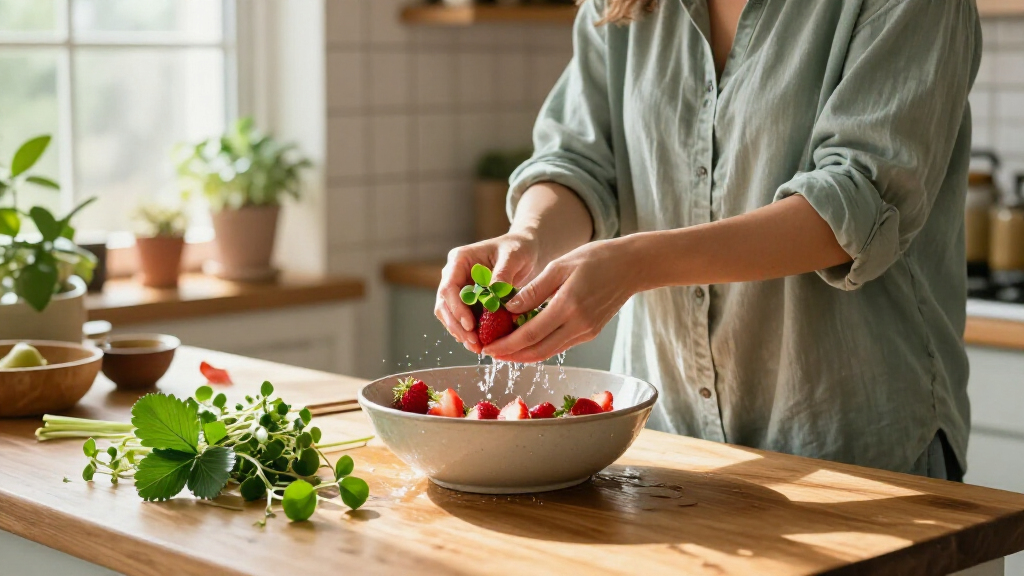
A Seniors Guide report drawing on Environmental Nutrition recommends adding whole fruit to meals and using microgreens as a flavorful addition to dishes. It says microgreens can contain concentrated nutrients, but they should not replace full servings of vegetables.
A Seniors Guide report featuring guidance from Environmental Nutrition recommends using whole fruit and microgreens to add nutrients, fiber and flavor to everyday meals. The advice offers practical ways to increase produce intake, while stressing that microgreens are an addition to—not a substitute for—full servings of vegetables.
Environmental Nutrition contributor Heidi McIndoo, a registered dietitian, describes fruit as a source of carbohydrates, fiber, vitamins, minerals and plant compounds known as phytonutrients. The report says fruit includes fresh, canned, frozen and dried options, as well as juice. It cites a general recommendation of five to nine servings of fruits and vegetables per day, without specifying an individual serving plan for readers.
The report advises choosing whole fruit at meals and eating it more often than drinking juice, because juice does not provide the same fiber benefits. For occasional juice, it recommends 100% fruit juice and a limit of no more than eight ounces a day. It also says canned or frozen fruit can be nutritious choices when selected without added sugars, sauces or syrups.
Microgreens are young vegetables and herbs, including varieties such as radish, kale and broccoli, harvested after their first leaves develop. The report says research suggests some types, including amaranth and cilantro, can contain higher levels of certain nutrients than their mature counterparts. It recommends using them as toppings for salads, sandwiches, soups, grain bowls, tacos and burgers, or blending them into dressings and pesto.
Practical Ways to Add Produce
The guidance focuses on small, flexible food choices rather than treating one ingredient as a complete solution. Whole fruit can contribute fiber and a range of nutrients, while frozen and canned options may make fruit easier to keep on hand or fit a budget, provided they do not come with added sugars or sweet sauces.
Microgreens offer a way to add flavor and some nutrients to familiar meals, but the report explicitly says they should not replace full servings of vegetables. That distinction matters: their concentrated nutrient content does not make a small garnish equivalent to a serving of mature vegetables. The report presents them as a complement to meals, not a shortcut around a varied diet.
The article also addresses a common concern about fruit’s sugar content. It distinguishes sugars naturally present in fruit from sugars added to foods and drinks, such as soda and candy. This is the report’s nutrition guidance; it does not provide a personalized recommendation for people with specific health needs.
As an affiliate, we earn on qualifying purchases.
Fruit and Microgreens in the Report
The article combines a fruit roundup by Heidi McIndoo, MS, RD, with a question-and-answer item on microgreens from Environmental Nutrition staff. It was published by Seniors Guide and distributed by Tribune Content Agency; the source material identifies the report as ©2026 Belvoir Media Group.
The fruit section describes the range of available forms and suggests planning to include whole fruit at meals. The microgreens section explains that these young plants are harvested when they are only a few inches tall and have developed their first leaves, called cotyledons. The report offers food-use suggestions rather than announcing a new study or dietary policy.
““Aim to include whole fruit at each meal.””
— Heidi McIndoo, MS, RD, Environmental Nutrition
As an affiliate, we earn on qualifying purchases.
Limits of the Nutrition Evidence
The source does not identify specific studies, sample sizes or nutrient amounts behind its statement that some microgreens may contain more of certain nutrients than mature plants. It also does not provide a comparison across all microgreen varieties, so the finding should not be read as applying equally to every type.
The recommendation of five to nine daily servings is given as general guidance, with no details about how serving size or individual circumstances affect it. The report does not set out tailored advice for readers with medical conditions, dietary restrictions or different energy needs. It also does not establish that eating the suggested foods prevents or treats disease; its references to possible health effects are not a promise of outcome.
As an affiliate, we earn on qualifying purchases.
Putting the Suggestions Into Meals
The report offers no scheduled follow-up, new policy or forthcoming study. Its immediate takeaway is practical: readers can try adding whole fruit to meals, choosing unsweetened frozen or canned fruit when useful, and using microgreens in dishes they already prepare. The source does not say that any one approach is required or suitable for everyone.
Readers seeking advice tailored to a health condition or dietary plan can discuss food choices with a qualified health professional. The article’s general recommendations should be understood as nutrition information, not individualized medical guidance.
As an affiliate, we earn on qualifying purchases.
Key Questions
What are microgreens?
Microgreens are young vegetables and herbs harvested early in their growth, after their first leaves develop. Examples in the report include radish, kale and broccoli.
Can microgreens replace servings of vegetables?
No. Environmental Nutrition says microgreens can add nutrients and flavor, but should not replace full servings of vegetables.
Is whole fruit preferable to juice in the report?
Yes. The report recommends choosing whole fruit most of the time because juice lacks the same fiber benefits. For occasional juice, it suggests 100% fruit juice and no more than eight ounces per day.
Are canned or frozen fruits considered options?
The report says canned and frozen fruit can be nutritious choices when they are selected without added sugars, sauces or syrups.
Does the report say fruit sugar should be avoided?
No. It distinguishes sugar naturally present in fruit from added sugars in items such as soda and candy. The article provides general guidance, not advice tailored to an individual medical condition.
Source: rss
Cold & flu season Picks
humidifiers
As an affiliate, we earn on qualifying purchases.