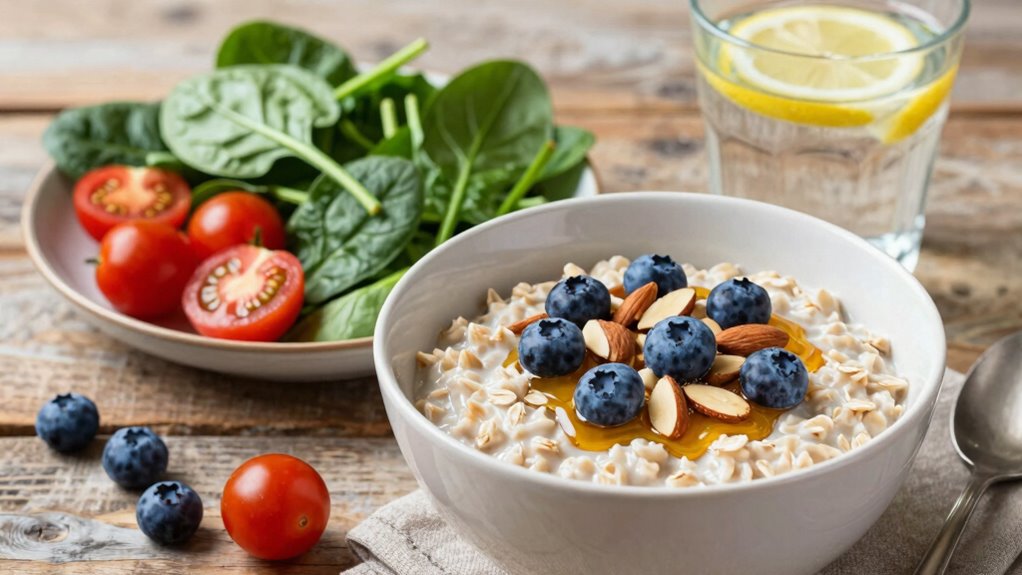

To build meals that support energy stability, aim for consistent timing every 3 to 4 hours and include a balance of complex carbs, lean proteins, healthy fats, and plenty of hydration. Spread your meals evenly throughout the day to avoid energy dips and stabilize blood sugar levels. Pack snacks with nuts, yogurt, or vegetables to keep your energy steady between meals. Continue exploring ways to optimize your meal plan for lasting energy and focus.
Key Takeaways
- Incorporate balanced macronutrients—carbohydrates, proteins, and healthy fats—in every meal for sustained energy.
- Plan regular meal times every 3 to 4 hours to maintain consistent blood sugar levels.
- Choose nutrient-dense whole foods like whole grains, lean proteins, and healthy fats to support energy stability.
- Include healthy snacks combining complex carbs with protein or fats to prevent energy dips between meals.
- Stay hydrated throughout the day to support digestion, nutrient absorption, and overall energy levels.
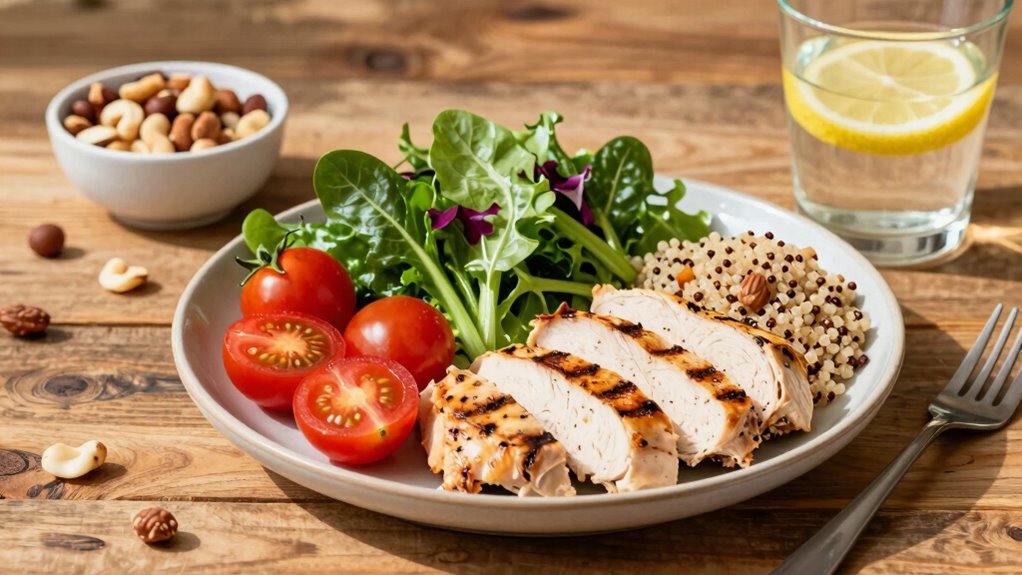
Maintaining steady energy levels throughout the day begins with the meals you choose. Your body thrives on consistent fuel, so paying attention to meal timing is essential. Spacing your meals evenly helps prevent dips in blood sugar that can leave you feeling sluggish or irritable. Aim to eat every 3 to 4 hours, balancing carbohydrates, protein, and healthy fats to sustain energy without causing spikes and crashes. When planning your meal timing, consider your daily schedule and listen to your body’s hunger cues, but avoid skipping meals, which can lead to overeating later and energy slumps.
In addition to timing, what you snack on plays a pivotal role in maintaining energy stability. Opt for snack options that combine complex carbs with protein or healthy fats to provide a slow, steady release of energy. Nuts, seeds, Greek yogurt, or sliced vegetables with hummus are excellent choices. These snacks help keep your blood sugar levels stable between main meals, preventing sharp drops that can sap your energy. Avoid sugary snacks or drinks, which can cause quick spikes in blood sugar followed by rapid declines, leaving you feeling tired and craving more sugar.
Building meals with energy stability in mind also involves choosing whole, nutrient-dense foods over processed options. Whole grains like oats, brown rice, and whole wheat bread release energy gradually, helping you stay alert and focused longer. Incorporating balanced macronutrients in each meal can further support sustained energy levels and help prevent cravings. Incorporating a variety of nutrients from different food groups can enhance your body’s ability to maintain energy efficiently. Include lean proteins such as chicken, fish, tofu, or legumes to support sustained energy and muscle repair. Healthy fats from sources like avocado, olive oil, or nuts not only boost satiety but also provide a steady energy source that helps your body function at its best throughout the day. Additionally, paying attention to projector technology can improve your understanding of how visual elements influence your overall viewing experience, much like how balanced meals influence your energy levels.
Furthermore, understanding how nutrient timing impacts your energy can help you optimize your meal plan for better performance and recovery. Proper meal composition is essential for maintaining energy, as it ensures your body receives the necessary nutrients in the right proportions. Hydration is another key factor. Drinking water consistently supports digestion and nutrient absorption, which are essential for maintaining energy. Sometimes, fatigue is simply a sign of dehydration, so keep a water bottle nearby and sip regularly. When you plan your meals and snacks, think about how each component contributes to your overall energy levels. Prioritize balanced, nutrient-rich foods and avoid large gaps between meals or excessive reliance on quick fixes like caffeine or sugary snacks.

Yupik Organic Whole Oat Groats,2.2 lb (35.2 oz), Non-GMO, Vegan, Kosher, Raw, Whole Grain Oats, Salt-Free, Nutty Flavor, Good Source of Fiber, Ideal for Baking & Cooking
- Organic Whole Grain Oats: Pure, non-GMO, vegan, kosher
- Rich in Fiber, Protein & Iron: Healthy nutritional profile
- Salt-Free Nutty Flavor: Ideal for baking and cooking
As an affiliate, we earn on qualifying purchases.
As an affiliate, we earn on qualifying purchases.
Frequently Asked Questions
Can Energy-Stabilizing Meals Improve Mental Focus?
Yes, energy-stabilizing meals can boost your mental focus. When your meal composition includes a good nutrient balance, it provides your brain with steady fuel, preventing crashes. Foods rich in complex carbs, healthy fats, and protein keep your blood sugar stable, enhancing concentration and alertness. By fueling your body with balanced meals, you support consistent energy levels, helping you stay focused and productive throughout the day.
How Does Hydration Affect Energy Levels During Meals?
Did you know that even mild dehydration can reduce your energy levels by up to 20%? When you hydrate properly during meals, you help maintain electrolyte balance, which is essential for muscle function and energy production. Drinking water prevents water retention issues that can cause fatigue or bloating. Staying well-hydrated ensures your body efficiently absorbs nutrients, keeping your energy steady and helping you stay alert throughout the day.
Are There Specific Foods That Boost Sustained Energy?
You can boost sustained energy by choosing foods rich in nutrient density and complex carbohydrates. Foods like oats, quinoa, sweet potatoes, and beans release energy slowly, helping you stay alert longer. Incorporate fruits and vegetables for added vitamins and minerals. Avoid processed sugars and refined carbs, which cause energy crashes. Focusing on balanced, nutrient-dense meals with complex carbs keeps your blood sugar stable and your energy steady throughout the day.
How Often Should I Eat to Maintain Energy Stability?
Think of your energy levels like a well-tuned engine—consistent fuel keeps it running smoothly. You should aim for meal frequency of every 3 to 4 hours, including balanced snacks, to maintain energy stability. Smart snacking habits prevent dips in blood sugar, helping you stay alert and focused throughout the day. Regular, evenly spaced meals and snacks keep your energy steady, avoiding the peaks and crashes that come with irregular eating patterns.
Do Meal Timing Strategies Influence Energy Fluctuations?
Yes, meal timing strategies influence your energy fluctuations. When you plan meal composition around your physical activity, it helps maintain steady energy levels. Eating balanced meals at regular intervals prevents dips in blood sugar, especially before or after exercise. Incorporating protein, healthy fats, and complex carbs at the right times keeps your energy stable throughout the day, supporting your activity and overall performance.
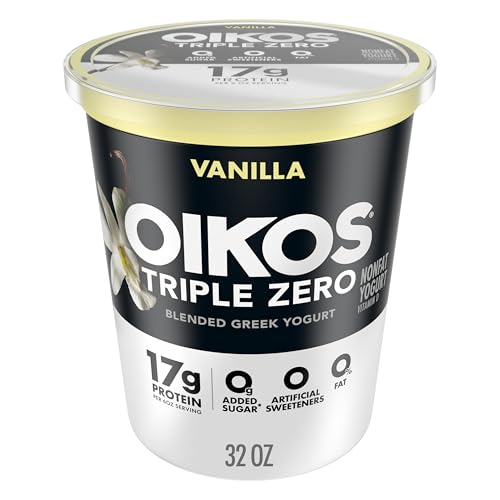
Oikos Triple Zero Vanilla Nonfat Greek Yogurt Tub, 0% Fat, 0g Added Sugar and 0 Artificial Sweeteners, Just Delicious High Protein Yogurt, 32 OZ
- Yogurt and Diabetes Risk: May reduce type 2 diabetes risk
- Large 32 oz Tub: Includes one 32 oz yogurt tub
- Rich Vanilla Flavor: Ultra-thick, creamy vanilla taste
As an affiliate, we earn on qualifying purchases.
As an affiliate, we earn on qualifying purchases.
Conclusion
Building meals that support energy stability keeps you fueled and focused all day. Remember, combining complex carbs, healthy fats, and protein helps maintain steady blood sugar levels. Did you know that balanced meals can improve concentration and reduce fatigue? By making smart food choices, you’ll feel energized and ready to tackle anything. So, start planning meals that nourish your body and mind—your energy will thank you!

Power Up Trail Mix, Mega Omega Trail Mix, Non-GMO, Vegan, Gluten Free, No Artificial Ingredients, Gourmet Nut, 14 Ounce Bag
- Healthy Omega-3 Nuts: Walnuts and almonds provide Omega-3 fatty acids
- Antioxidant-Rich Fruits: Mango and cranberries offer antioxidants
- High-Protein Pumpkin Seeds: Pumpkin seeds add protein and vitamins
As an affiliate, we earn on qualifying purchases.
As an affiliate, we earn on qualifying purchases.
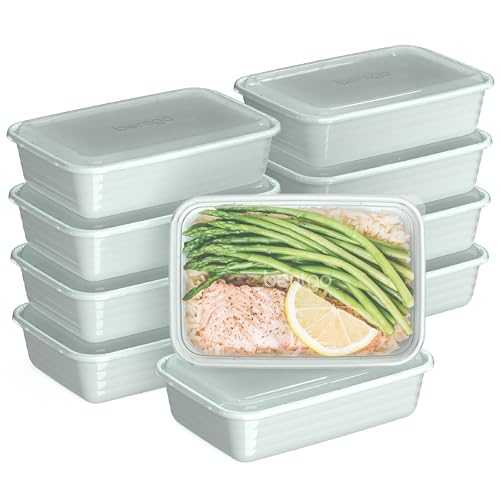
Bentgo Prep Meal Prep Containers with Lids, 20 Piece, PFAS & BPA-Free
- Top Brand for Meal Prep: Lightweight, portable 20-piece set
- Supports Portion Control: 4-cup capacity with embossed measurements
- Keeps Food Fresh: Stackable lids for organization
As an affiliate, we earn on qualifying purchases.
As an affiliate, we earn on qualifying purchases.