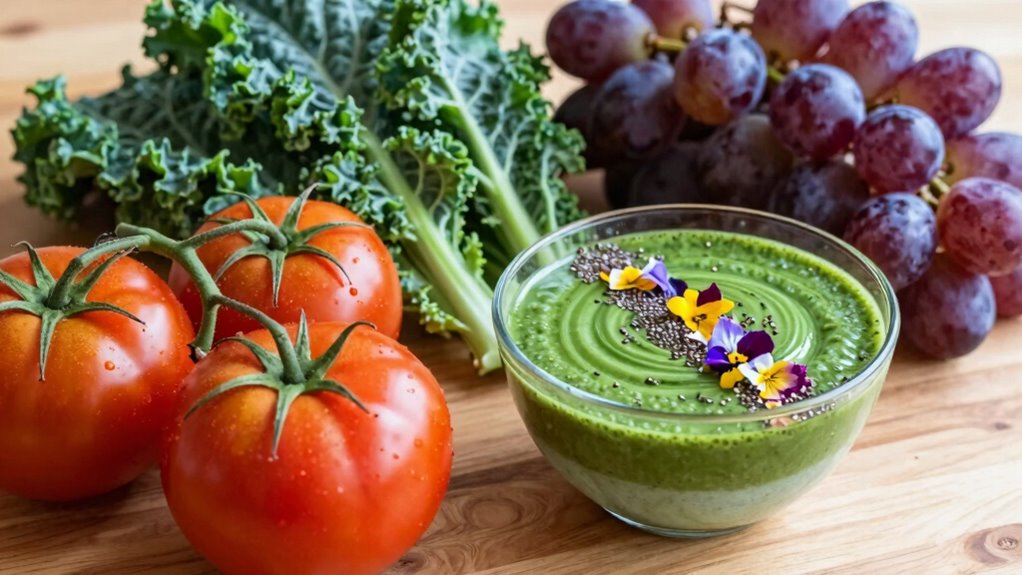

You should watch personalized diets that use DNA testing and wearable data to tailor your nutrition, boosting energy and preventing illnesses. Keep an eye on advances in AI and data analytics that make these plans more accessible. Plant-based innovations are also rising, offering tasty, healthful, and sustainable options like lab-grown meats and plant proteins. These trends focus on tailored, sustainable eating, helping you make smarter choices—stick around to discover even more exciting developments shaping your future diet.
Listen free for 30 days with Audible
Thousands of audiobooks and originals — cancel anytime.
As an affiliate, we earn on qualifying purchases.
Key Takeaways
- The rise of personalized nutrition using DNA testing and wearable data to optimize health and prevent illnesses.
- Integration of AI and data analytics to develop truly tailored dietary plans.
- Expanding innovation in plant-based foods, including lab-grown meats and nutrient-rich plant proteins.
- Increased accessibility and variety of plant-based options in mainstream grocery stores and restaurants.
- Growing emphasis on mindful, sustainable, and adaptive eating habits for long-term health benefits.
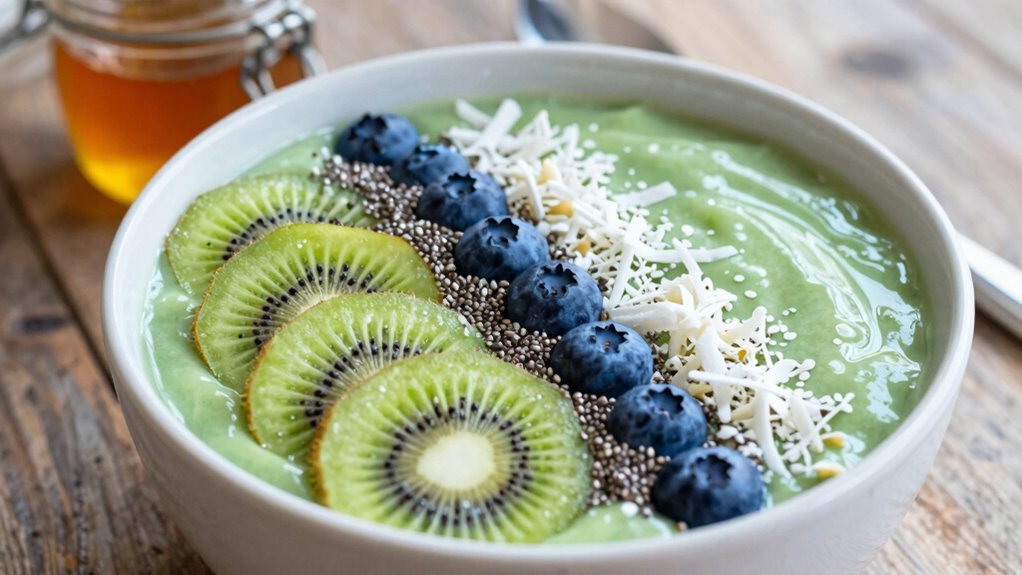
As more people prioritize their health and well-being, new nutrition trends are emerging that could reshape the way you eat. One of the most exciting developments is the rise of personalized diets. Instead of generic meal plans, this approach tailors nutrition to your unique genetic makeup, lifestyle, and health goals. Advances in technology make it easier than ever to access customized recommendations, whether through DNA testing or data from wearable devices. Personalized diets aim to optimize your nutrition, boost energy, and prevent chronic illnesses by identifying what works best for your body. You might find that certain foods improve your digestion or energy levels while others cause discomfort. As this trend grows, expect more companies to offer tailored meal plans and supplements, helping you make more informed choices based on your specific needs. Additionally, the integration of digital concepts like data analytics and AI-driven insights is accelerating the development of truly personalized nutrition plans. This integration is also contributing to the growth of innovative dietary solutions, making personalized nutrition more accessible and practical for everyday life.
Simultaneously, plant-based innovations are transforming the food landscape. The popularity of plant-based diets isn’t just a passing fad; it’s driven by concerns about health, environmental sustainability, and animal welfare. New ingredients, products, and recipes are pushing the boundaries of what plant-based eating can be. From lab-grown meats to innovative plant proteins like pea and mushroom-based products, these innovations give you more options that taste great and support your health. Plant-based foods are often lower in saturated fat and cholesterol, making them a smart choice for heart health. Plus, they tend to be rich in fiber, antioxidants, and vitamins, which are essential for overall well-being. As these innovations become more mainstream, you’ll find more convenient, delicious, and affordable plant-based options at your local grocery store or restaurant.
Both trends reflect a broader shift toward more mindful and personalized nutrition. Personalized diets encourage you to listen to your body’s signals and adapt your eating habits accordingly, fostering a deeper understanding of what fuels you best. Plant-based innovations, on the other hand, make it easier for you to adopt more sustainable and health-conscious eating patterns without sacrificing flavor or satisfaction. Together, these trends show that the future of nutrition isn’t about strict rules or deprivation but about customization, innovation, and making smarter choices that align with your individual needs and values. Keeping an eye on these developments can help you stay ahead of the curve, enabling you to craft a diet that’s both satisfying and supportive of your long-term health.
DNA testing for personalized nutrition kit
As an affiliate, we earn on qualifying purchases.
As an affiliate, we earn on qualifying purchases.
Frequently Asked Questions
How Do Nutrition Trends Impact Long-Term Health?
Nutrition trends can profoundly impact your long-term health by influencing your lifestyle habits and considering your genetic predispositions. If you adopt trends focused on whole foods and balanced diets, you’re more likely to reduce risks of chronic diseases. However, blindly following fads without understanding your genetics may lead to ineffective choices. Staying informed and tailoring your nutrition to your unique needs helps you make sustainable decisions that promote lasting health.
Are New Diet Fads Backed by Scientific Research?
Fad diets and detox teas often claim quick fixes, but many lack solid scientific backing. You should question whether these trends are supported by rigorous research, as some may be based on anecdotal evidence or misleading studies. While some diet fads may have small scientific foundations, many are driven more by marketing than by science. Always check reputable sources and consult healthcare professionals before adopting new dietary trends.
Can Trendy Superfoods Replace Balanced Diets?
Trendy superfoods can’t replace balanced diets because superfood myths often lead you to overestimate their benefits. While they offer some nutrients, relying solely on superfoods risks creating nutrient gaps, especially if other food groups are neglected. To stay healthy, focus on a variety of foods that provide essential nutrients rather than just chasing superfoods. A balanced diet ensures you get everything your body needs for peak health.
How Do Cultural Differences Influence Nutrition Trends?
Cultural differences shape nutrition trends more than you might realize, influencing what people value in their diets. Your cultural eating habits and traditional practices guide your food choices and perceptions of health. For example, some cultures prioritize plant-based diets, while others focus on fermented foods. Recognizing these differences helps you appreciate diverse nutrition trends, making it easier to adopt practices that resonate with your heritage and lifestyle, rather than blindly following fads.
What Are the Environmental Effects of Emerging Nutrition Trends?
You can expect emerging nutrition trends to boost environmental efforts, as they often promote sustainable farming practices that reduce resource use and emissions. Additionally, eco-friendly packaging becomes more common, minimizing plastic waste and pollution. By choosing these trends, you help lower your carbon footprint and support environmentally responsible food production, making a positive impact on the planet while enjoying healthier, more sustainable foods.
wearable health and fitness tracker
As an affiliate, we earn on qualifying purchases.
As an affiliate, we earn on qualifying purchases.
Conclusion
As you stay aware of these emerging trends, embrace mindful eating, prioritize whole foods, and explore sustainable choices. By doing so, you empower yourself to make healthier decisions, support the environment, and nourish your body. Keep learning, stay curious, and adapt as new insights arise. Because when you focus on balanced nutrition, conscious consumption, and ongoing education, you set yourself up for a healthier, more vibrant life—today, tomorrow, and beyond.
As an affiliate, we earn on qualifying purchases.
As an affiliate, we earn on qualifying purchases.
Fall Picks
fall essentials
As an affiliate, we earn on qualifying purchases.