While the common advice suggests saving three to six months’ worth of expenses for an emergency fund, your actual needs depend on your job stability, lifestyle, and personal circumstances. Factors like income consistency, dependents, and health costs can influence how much you should save. Using general rules as a starting point is helpful, but tailoring your savings plan guarantees better protection. Keep exploring to find out how to customize your emergency fund effectively.

Get health and wellness essentials delivered free with Prime
- Fast, free delivery on millions of items
- Prime Video, Amazon Music and more included
- Member-only deals all year
Key Takeaways
- Standard rules like 3-6 months’ expenses serve as starting points but may not fit individual circumstances.
- Personal factors such as job stability, health costs, and dependents significantly influence actual emergency fund needs.
- Liquid, low-risk assets are essential for emergency funds to ensure quick access during crises.
- Regularly reviewing and adjusting your savings goals aligns your emergency fund with changing life situations.
- Personalized assessment is more effective than generic rules, ensuring a safety net tailored to your unique financial reality.
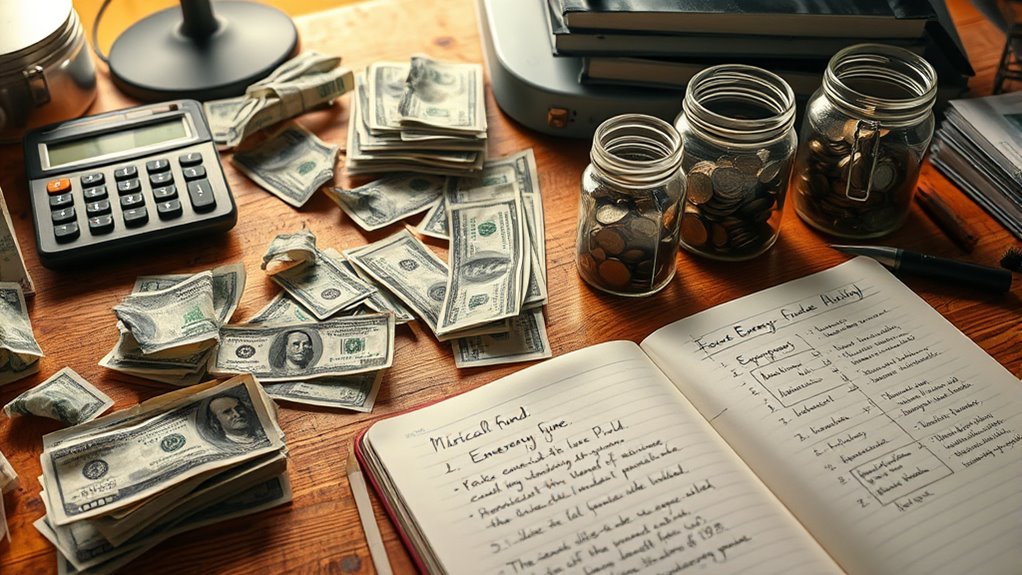
Have you ever wondered how much money you should set aside for emergencies? It’s a common question, and the answer often depends on your individual circumstances. When planning your emergency fund, many people turn to rules of thumb—like saving three to six months’ worth of expenses—but these are just starting points. Your actual needs may differ based on your financial situation, job stability, and personal comfort level. To make smarter decisions, you need to contemplate your unique circumstances and set realistic savings goals that align with your lifestyle and future plans.
Investment strategies play a role in how you approach building your emergency fund. If you’re actively investing, you might be tempted to let your savings sit in riskier assets, but an emergency fund should prioritize liquidity and safety. Keeping it in a high-yield savings account or a money market fund ensures access when you need it without risking market fluctuations. This approach supports your overall financial health by maintaining a buffer that’s immediately available, helping you avoid dipping into investments prematurely during a crisis.
Prioritize liquidity and safety with high-yield savings or money market funds for your emergency fund.
Your savings goals should be specific and measurable, not just a vague target. For example, if your monthly expenses are around $3,000, setting a goal to save three months’ worth means aiming for $9,000. This number should be realistic based on your income, expenses, and job security. If you work in a volatile industry or are self-employed, you might want to aim for six months or more to cushion against income gaps. Conversely, if you have a stable job with thorough benefits, a smaller cushion could suffice. The key is to tailor your savings goals to your reality, not just follow generic advice.
While rules of thumb can help you get started, they often overlook the nuances of your financial life. Real-world factors—like high medical costs, family dependents, or a history of job instability—may demand a larger emergency fund. Conversely, if you have substantial savings elsewhere or a robust income, you might comfortably save less. The important thing is to regularly review and adjust your goals as your situation changes. In the end, effective emergency fund sizing isn’t about hitting a universal number but about creating a financial safety net that genuinely protects you in times of need. Additionally, cultivating self-awareness about your financial habits and risk factors can help you determine the most appropriate amount to save.
high-yield savings account for emergency fund
As an affiliate, we earn on qualifying purchases.
As an affiliate, we earn on qualifying purchases.
Frequently Asked Questions
How Do I Determine My Ideal Emergency Fund Size?
To determine your ideal emergency fund size, analyze your personal situation and consider your risk assessment. Think about your monthly expenses, job stability, and potential emergencies. While investment strategies focus on growth, an emergency fund offers safety. Adjust the amount based on your circumstances, aiming for enough to cover three to six months of expenses. This approach guarantees you’re prepared without overcommitting, balancing security and opportunity.
Should I Adjust My Emergency Fund for Inflation?
You should definitely adjust your emergency fund for inflation, as rising prices can diminish its purchasing power. By doing so, you’re better prepared for unexpected expenses and can support your overall investment strategies and debt management plans. Regularly reviewing and increasing your fund ensures it remains effective, especially during inflationary periods, helping you maintain financial stability and avoid dipping into investments or increasing debt when emergencies arise.
Is It Better to Save in Cash or Liquid Assets?
When deciding between cash savings and liquid investments, you should consider your financial needs and risk tolerance. Cash savings offer immediate access and security, making them ideal for emergency funds. Liquid investments, like money market funds, provide slightly higher returns but can take longer to access. If you want quick access and safety, prioritize cash savings. For better growth with minimal risk, consider liquid investments as part of your emergency fund.
How Do Irregular Income Sources Impact Fund Sizing?
Irregular income makes it trickier to size your fund buffers because your earnings fluctuate. You should aim to save enough to cover months of expenses during low-income periods, ensuring financial stability. This means building a larger emergency fund than someone with a steady income. By prioritizing a flexible savings plan, you can better handle unpredictable income sources and maintain peace of mind during lean months.
When Is It Appropriate to Reduce My Emergency Fund?
When should you cut back on your emergency fund? Think of your fund as your safety net—if you’re confidently handling financial hardship and haven’t faced unexpected expenses in months, it might be time to reevaluate. If your income stabilizes and your expenses decrease, reducing your fund could make sense. Just make certain you’re still prepared for surprises; don’t let your safety net become a tiny hammock.
money market fund for emergency savings
As an affiliate, we earn on qualifying purchases.
As an affiliate, we earn on qualifying purchases.
Conclusion
Ultimately, building your emergency fund is like planting a safety net beneath your life’s tightrope. While rules of thumb offer a starting point, trust your reality—your job, expenses, and dreams. Think of your fund as a fortress, growing stronger with each contribution, ready to catch you when life throws its curveballs. Remember, it’s your personal safety dance, and with each step, you’re choreographing a future where you’re resilient, secure, and free to soar.
liquid low-risk investment options
As an affiliate, we earn on qualifying purchases.
As an affiliate, we earn on qualifying purchases.
personal finance emergency fund tools
As an affiliate, we earn on qualifying purchases.
As an affiliate, we earn on qualifying purchases.
Columbus Day / Indigenous Peoples' Day Picks
long weekend sales
As an affiliate, we earn on qualifying purchases.