

Lifestyle inflation is harder to notice than debt because it sneaks into your daily expenses through small upgrades and luxuries that blend into normal spending. Unlike debt, which is clearly visible on bills and statements, lifestyle inflation feels like a reward or personal treat, making it easy to dismiss. As you justify these costs, they quietly drain your finances over time. Keep exploring to uncover ways to recognize and manage these hidden habits before they grow bigger.
Key Takeaways
- Lifestyle inflation blends seamlessly into daily spending, making it less obvious than visible debt payments.
- Increased expenses are often justified as personal improvements, reducing awareness of rising costs.
- Small luxury purchases accumulate gradually, hiding their impact compared to the clear, recurring nature of debt.
- Behavioral biases and the mindset of “living better” obscure recognition of inflationary habits.
- Regular monitoring of overall spending is required, as lifestyle upgrades feel like normal, justified expenses.

As your income increases, it’s tempting to upgrade your lifestyle—buying fancier clothes, dining out more often, or moving into a bigger home. These changes often seem like natural progress, but they can quietly lead to lifestyle inflation. This phenomenon makes your expenses grow just as quickly as your paycheck, especially when it comes to luxury expenses. The tricky part is that it’s easy to overlook this shift because these new spending habits become normalized over time. You might think you’re simply rewarding yourself or enjoying your success, but in reality, those small daily choices add up and can silently drain your finances.
As your income grows, small luxury expenses can quietly drain your finances over time.
What makes lifestyle inflation harder to notice than debt is that it’s often subtle and woven into your everyday routines. Unlike debt, which is explicitly visible through monthly bills and statements, luxury expenses tend to blend into your regular spending. You buy a better phone, upgrade your car, or sign up for premium memberships without recognizing how much these expenses contribute to your overall budget. Over time, these small, seemingly insignificant purchases compound into a larger financial burden, but because they’re spread out and justified as personal improvements or treats, it’s easy to dismiss them as necessary or deserved. Recognizing the hidden costs of lifestyle inflation can help you better understand the full impact on your financial health.
Your spending habits evolve without you even realizing it. When your income increases, your mind might automatically associate higher earning with higher living standards. You may start to justify increased spending by thinking, “I work hard, so I should enjoy this.” But this mindset can lead to a cycle of continuously escalating luxury expenses, which makes it difficult to set aside savings or pay down debt. The more your lifestyle inflates, the more you need to maintain that higher standard of living, creating a trap where you’re constantly chasing the next upgrade rather than building financial security. Recognizing the connection between spending habits and long-term financial health can be a powerful step toward preventing this cycle from spiraling out of control. Additionally, understanding how behavioral biases influence spending decisions can help you develop healthier financial habits.
Furthermore, cultivating an awareness of energetic alignment in your financial choices can help you stay grounded and focused on your true goals, rather than just immediate gratification. The challenge is that lifestyle inflation often feels like a reward, not a risk. You might not see it as a problem until it’s too late, when your expenses surpass your income, or when you realize you’re living paycheck to paycheck despite earning more. Unlike debt, which is explicit and sometimes easier to identify, luxury expenses are more insidious because they’re disguised as improvements or comfort. Recognizing these habits requires honest self-assessment and awareness. If you want to stay in control of your finances, it’s *vital* to monitor not just your debt levels but also your spending habits and how much your lifestyle is truly costing you. Additionally, understanding the impact of microplastics in dust and other hidden environmental factors can help you make more conscious choices that align with both your financial and health goals.

Monthly Budget Planner, 14-Month Undated Financial and Bill Organizer
- Financial Management Sections: Goals, savings, debts, expenses, reviews
- Full-Page Monthly Calendars: Track paydays, bills, appointments, dates
- Premium Quality Materials: 100gsm paper, durable cover, lay-flat binding
As an affiliate, we earn on qualifying purchases.
As an affiliate, we earn on qualifying purchases.
Frequently Asked Questions
How Can I Identify Hidden Lifestyle Inflation in My Daily Expenses?
To spot hidden lifestyle inflation, track your daily expenses closely. Check for luxury purchases or subscription services you no longer need or use often. Notice if your spending increases whenever you get a raise or bonus. Review your bank statements regularly and question each expense—if it’s a luxury or a subscription you’ve forgotten about, it might be contributing to unnecessary spending. Recognizing these patterns helps you control your lifestyle inflation.
What Psychological Factors Make Lifestyle Inflation Harder to Recognize?
You might overlook lifestyle inflation because of spending complacency and an entitlement mindset, which dull your awareness over time. These psychological factors make you feel entitled to constant upgrades, blinding you to gradual spending increases. As you indulge without noticing, you become desensitized, making it harder to recognize how your habits are quietly draining your finances. Staying vigilant and questioning your spending can help reveal these hidden expenses before they grow out of control.
Are There Specific Habits That Accelerate Lifestyle Inflation Unnoticed?
Yes, specific habits like frequently indulging in luxury upgrades and engaging in social spending can accelerate lifestyle inflation unnoticed. When you consistently upgrade to newer gadgets, nicer clothes, or dine out more often, these small changes add up. Social spending, such as buying drinks or gifts to keep up with friends, also quietly inflates your expenses. Over time, these habits make it easier to overlook how much your lifestyle is expanding beyond your means.
How Does Inflation Impact Long-Term Financial Goals?
Imagine you’re earning more, but your spending habits subtly grow, making it harder to reach your long-term financial goals. Inflation diminishes your purchasing power over time, meaning your savings strategies must adapt. Without awareness, lifestyle inflation can erode your investments’ growth, delaying retirement or big purchases. To stay on track, regularly review your financial plan and control expenses, ensuring inflation doesn’t secretly sabotage your future plans.
Can Lifestyle Inflation Occur Without Increasing Overall Spending?
Yes, lifestyle inflation can occur without increasing overall spending if you reallocate your money toward luxury expenses or social spending. For example, you might spend more on dining out or vacations, elevating your lifestyle without raising your total expenses. This subtle shift can make you feel richer, but it silently impacts your savings and long-term financial goals. Keep track of these habits to avoid unintentional lifestyle inflation.

Budget Tracker for Retirees: An effective tool for monitoring your income and expenses
As an affiliate, we earn on qualifying purchases.
As an affiliate, we earn on qualifying purchases.
Conclusion
You might not realize it, but lifestyle inflation sneaks up on you—often more quietly than debt. For example, studies show that people tend to spend about 30% more after receiving a raise, making it harder to notice how your spending habits change. Staying aware of these subtle shifts can help you keep your finances in check. Recognizing lifestyle inflation early is key to building savings and avoiding the trap of feeling financially overwhelmed.
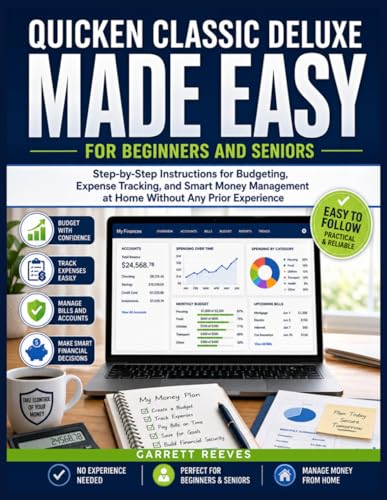
QUICKEN CLASSIC DELUXE MADE EASY FOR BEGINNERS AND SENIORS: Step-by-Step Instructions for Budgeting, Expense Tracking, and Smart Money Management at Home Without Any Prior Experience.
As an affiliate, we earn on qualifying purchases.
As an affiliate, we earn on qualifying purchases.
As an affiliate, we earn on qualifying purchases.