As AI transforms how societies make decisions, you’ll need to rethink the social contract to make certain fairness, transparency, and respect for human dignity. Algorithms now play roles traditionally held by governments and legal systems, raising questions of responsibility and authority. Redefining governance means establishing new norms that balance individual rights with collective benefit, all while maintaining societal trust. If you’re interested, you’ll find how this evolving framework shapes a just, inclusive future.
Key Takeaways
- AI challenges traditional social contracts by shifting decision-making authority from humans to algorithms.
- Redefining governance involves establishing norms and regulations for algorithm ethics, transparency, and accountability.
- Society must develop governance frameworks that balance individual rights, shared responsibility, and AI’s authority.
- Ensuring fairness and privacy in AI systems is crucial to maintaining social justice and public trust.
- Collective efforts are needed to adapt social contracts for AI’s capabilities, safeguarding human dignity and societal values.

As artificial intelligence becomes increasingly integrated into our daily lives, it challenges traditional notions of social contracts and raises urgent questions about how authority, responsibility, and rights should be distributed. You’re now steering a world where algorithms make decisions that once required human judgment, and that shift demands a reevaluation of societal norms and ethical standards. At the core of this transformation lies the concept of algorithm ethics—how these algorithms are designed, implemented, and regulated to guarantee fairness, transparency, and accountability. When algorithms influence your access to services, employment opportunities, or legal judgments, their ethical foundations become vital. You need to understand that algorithm ethics isn’t just a technical issue; it’s a societal issue that affects your rights and your sense of justice.
AI’s integration challenges social norms, demanding fair, transparent, and accountable algorithms that protect rights and uphold justice in society.
Alongside algorithm ethics, privacy concerns take center stage as AI systems collect, analyze, and store vast amounts of personal data. Your digital footprint is growing exponentially, and with it, the potential for misuse or breaches increases. These privacy concerns challenge the idea that individuals should have control over their personal information—an essential element of modern social contracts. When AI systems operate without adequate safeguards, your private data may be exploited, leading to surveillance, identity theft, or discrimination. As AI becomes more widespread, you must consider how governance structures can protect your privacy rights while enabling technological progress. This involves redefining responsibilities—not just for companies and governments, but also for yourself—to maintain a balance between innovation and individual autonomy. Recognizing ethical data practices is key to fostering trust in AI systems and safeguarding societal values.
The evolving landscape of AI compels you to think about who holds authority and how that authority is exercised. Traditional social contracts often place authority in institutions like the government or legal systems. Now, algorithms and AI-driven decision-making systems are becoming new sources of authority, sometimes operating beyond your direct oversight. This shift raises pressing questions: Who is responsible when an algorithm causes harm? How do you guarantee that AI decisions align with societal values? You need transparency in how AI systems work and accountability for their outcomes. Without clear frameworks, there’s a risk that authority becomes concentrated in the hands of those who control these algorithms, eroding individual rights and democratic oversight.
In this new era, redefining the social contract involves establishing norms and regulations that address algorithm ethics, privacy protection, and responsible AI governance. You’re part of a collective effort to shape these standards, ensuring that AI serves everyone’s interests—not just those of powerful entities. It’s about creating a society where authority is balanced, responsibility is shared, and your rights are protected amid rapid technological change. The challenge lies in designing a social contract that adapts to AI’s capabilities while maintaining the core principles of fairness, privacy, and human dignity.

AI Fairness: Designing Equal Opportunity Algorithms
As an affiliate, we earn on qualifying purchases.
As an affiliate, we earn on qualifying purchases.
Frequently Asked Questions
How Does Social Contract Theory Adapt to Ai-Driven Governance?
You see social contract theory adapting to AI-driven governance by emphasizing digital sovereignty and privacy rights. As AI systems manage more aspects of society, you’re expected to assent to rules that protect individual data and ensure transparency. This new contract involves citizens actively participating in shaping AI policies, holding authorities accountable, and safeguarding personal freedoms in a digital world, ultimately redefining trust and legitimacy in governance.
Can AI Entities Be Considered Part of the Social Contract?
You might argue that AI entities can’t be fully part of the social contract because AI personhood and digital rights aren’t recognized legally or ethically. While AI can act within the contract’s framework, it lacks consciousness and moral agency. To include AI in the social contract, society would need to redefine personhood and establish digital rights, ensuring responsible governance and accountability for AI actions.
What Ethical Dilemmas Arise From AI Decision-Making in Governance?
You face ethical dilemmas like bias concerns, where AI might reinforce societal prejudices, and accountability challenges, making it hard to ascertain who’s responsible for decisions. As AI governs more, you must guarantee transparency and fairness, preventing harm and maintaining trust. These issues demand careful oversight, clear regulations, and ongoing evaluation to balance AI’s benefits with ethical responsibilities in governance.
How Do We Ensure AI Aligns With Societal Values and Norms?
Think of AI as a modern Prometheus—powerful yet needing guidance. To guarantee it aligns with societal values, you must prioritize algorithm transparency, making its decision-making clear. Establish moral responsibility by involving diverse stakeholders and creating accountability frameworks. By doing so, you help the AI serve society’s norms, avoiding unintended harm, and fostering trust—ensuring technology remains a tool that reflects our collective principles rather than undermines them.
What Role Do Humans Play in Overseeing Ai-Based Social Contracts?
You play a vital role in overseeing AI-based social contracts by guaranteeing human accountability and moral oversight. You’re responsible for setting clear guidelines, monitoring AI behaviors, and intervening when necessary to protect societal values. Your active engagement helps prevent biases and errors, keeping AI aligned with ethical standards. Ultimately, your vigilance ensures that AI serves the public good, maintaining trust and fairness in this evolving landscape.

McAfee Total Protection 5-Device | AntiVirus Software 2026 for Windows PC & Mac, AI Scam Detection, VPN, Password Manager, Identity Monitoring | 1-Year Subscription with Auto-Renewal | Download
DEVICE SECURITY – Award-winning McAfee antivirus, real-time threat protection, protects your data, phones, laptops, and tablets
As an affiliate, we earn on qualifying purchases.
As an affiliate, we earn on qualifying purchases.
Conclusion
As you explore social contract theory in the age of AI, it’s clear that our agreement with technology shapes our future. AI challenges traditional notions of governance, forcing you to reconsider what rights, responsibilities, and trust mean in this new era. By adapting these ancient ideas, you can help create a balanced, ethical framework where humans and AI coexist harmoniously. Ultimately, your choices will define how we reshape society’s social contract for generations to come.

30cm High Transparent Plastic Sewing Quilting Ruler DIY Dressmaker Tailor Tool Easily Identifiable by A9 Algorithm
1. Enhanced Clarity fted om ultra-transparent l this product boasts paralleled clarity and ensu that the numbers are…
As an affiliate, we earn on qualifying purchases.
As an affiliate, we earn on qualifying purchases.
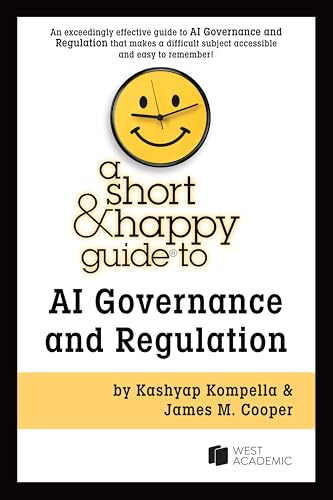
A Short & Happy Guide to AI Governance and Regulation
As an affiliate, we earn on qualifying purchases.
As an affiliate, we earn on qualifying purchases.