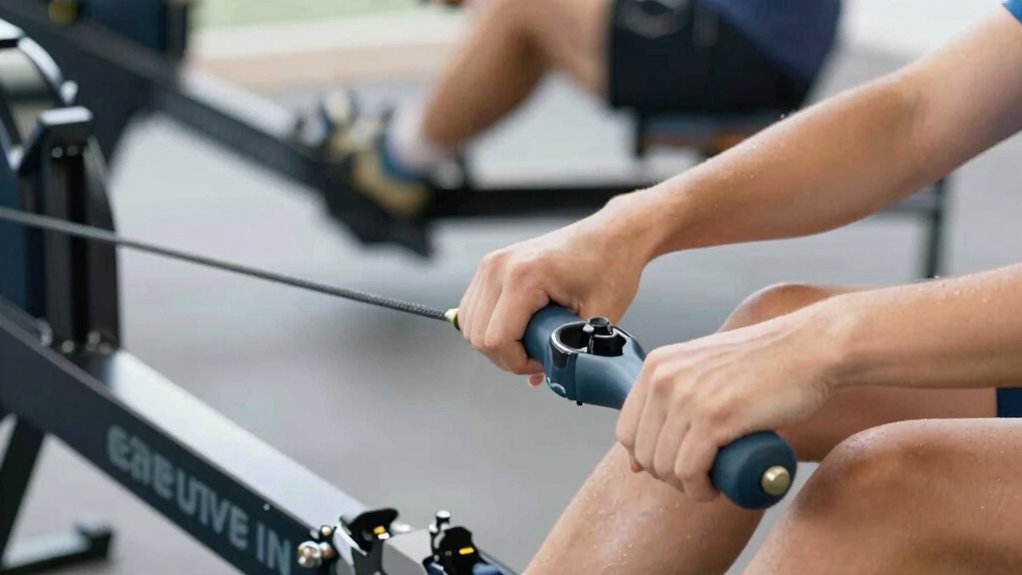

Finding the right rowing machine for a home gym involves balancing performance, space, and budget. The Merach RS3 stands out as a top overall choice thanks to its smooth operation and durable build, making it suitable for a wide range of users. The Concept2 RowErg is ideal for those seeking a high-tech, gym-quality experience, though it comes at a higher price point. Meanwhile, the YOSUDA Magnetic Rower offers excellent resistance options for budget-conscious buyers without sacrificing quality. With so many options, tradeoffs often include noise levels, size, and feature sets. Keep reading for a full breakdown to find your ideal fit.
Key Takeaways
- Magnetic resistance models generally provide quieter, smoother workouts compared to hydraulic or air-based rowers.
- Budget options like the YOSUDA still deliver solid performance but may lack advanced features or durability for heavy use.
- Space-saving foldable designs are available but often compromise on stability or maximum user weight capacity.
- High-end models like the Concept2 offer superior build quality and tracking features, justifying their premium price for serious users.
- User-friendly interfaces and adjustable resistance levels are key for beginners, while advanced metrics appeal to experienced rowers.
| Merach RS3 Rowing Machine for Home Use |  | Best Overall for Customizable, High-Capacity Workouts | Resistance: Up to 80 lbs magnetic resistance | Adjustable Levels: 16 | Max User Weight: 350 lbs | VIEW ON AMAZON | See Our Full Breakdown |
| YOSUDA Rowing Machine for Home, Magnetic Rower with 16-Level Resistance |  | Best Value for Full-Body Low-Impact Cardio | Resistance Levels: 16 | Max Load Capacity: 350 pounds | Dimensions: 59 inches x 19 inches x 25 inches | VIEW ON AMAZON | See Our Full Breakdown |
| Merach Q1S Magnetic Rowing Machine Indoor, Dual Slide Rail, Quiet & Smooth |  | Best Quiet & Smooth Operation with Space-Saving Design | Resistance: 16 levels of electromagnetic resistance | Max weight: 350 pounds | Assembly time: 30 minutes | VIEW ON AMAZON | See Our Full Breakdown |
| Rowing Machine for Home, 350 LB Capacity, 16-Level Silent Magnetic Resistance, Foldable Full-Body Workout Equipment |  | Best Power and Storage with Adjustable Incline | Weight Capacity: 350 lbs | Resistance Levels: 16 | Maximum User Height: 6’3″ | VIEW ON AMAZON | See Our Full Breakdown |
| Concept2 RowErg Indoor Rowing Machine with PM5 Monitor |  | Best for Durability and Data Precision | Monitor: Performance Monitor 5 (PM5) | Seat Height: 14 inches | Resistance Type: Air | VIEW ON AMAZON | See Our Full Breakdown |
| MERACH Pro-Grade Rowing Machine for Home, Smart Magnetic Resistance, Self-Generation, Silent Sliding |  | Best Overall for Versatile, High-Intensity Training | Resistance: 130 lbs | Max Load: 400 lbs | Seat Height: 11.4 inches | VIEW ON AMAZON | See Our Full Breakdown |
| Major Fitness R1 Indoor Rowing Machine, 10-Level Resistance, Foldable, 330LB Capacity |  | Best Budget-Friendly Foldable Option | Resistance Levels: 10 | Weight Capacity: 330 lbs | Frame Material: Aluminum | VIEW ON AMAZON | See Our Full Breakdown |
| Merach Q1S Magnetic Rowing Machine Indoor, Dual Slide Rail, Quiet & Smooth |  | Best for Stability and Quiet Operation | Product Dimensions: 65L x 19.3W x 24.8H inches | Seat Dimensions: 9.5L x 11.5W x 2.3H inches | Product Weight: 58.9 pounds | VIEW ON AMAZON | See Our Full Breakdown |
| Dripex Rowing Machine, Upgraded Magnetic Rower for Home |  | Best for Sturdy, Beginner-Friendly Workouts | Flywheel weight: 12 lbs | Resistance levels: 16 | Maximum user weight: 360 lbs | VIEW ON AMAZON | See Our Full Breakdown |
| Sunny Health & Fitness Compact Hydraulic Rower with 12-Level Resistance |  | Best for Space-Conscious, Low-Impact Workouts | Resistance Levels: 12 | Weight: 22.4 lbs | Material: Alloy Steel | VIEW ON AMAZON | See Our Full Breakdown |
More Details on Our Top Picks
Merach RS3 Rowing Machine for Home Use
The Merach RS3 stands out for its realistic rowing simulation, thanks to 16 adjustable magnetic resistance levels and multiple workout modes that target various muscle groups. Compared with the Concept2 RowErg, it offers more interactive features through Bluetooth connectivity, making it ideal for users who enjoy guided or gamified workouts. However, its reliance on Bluetooth means full functionality depends on a stable connection, and it may be bulky for small spaces. The sturdy build supporting up to 350 lbs and easy assembly make it a versatile choice for serious home gym enthusiasts seeking a comprehensive, adjustable rowing experience.
Pros:- Realistic rowing simulation with multiple modes
- Bluetooth connectivity for interactive training
- Supports users up to 350 lbs with sturdy construction
Cons:- Requires Bluetooth for full features, which may be unreliable in some settings
- Bulky design might not fit smaller spaces
- Limited to 16 resistance levels
Best for: Users seeking a high-capacity, customizable rowing machine with advanced connectivity options.
Not ideal for: Small apartment dwellers with limited space or those preferring purely manual, connection-free equipment.
- Resistance:Up to 80 lbs magnetic resistance
- Adjustable Levels:16
- Max User Weight:350 lbs
- Dimensions:60.6L x 29.5W x 28.3H inches
- Height Compatibility:Up to 6’4″
Our verdict“This model makes the most sense for dedicated home gym users who want a versatile, high-capacity machine with modern tech features.”
YOSUDA Rowing Machine for Home, Magnetic Rower with 16-Level Resistance
The YOSUDA excels as an affordable, full-body rowing option that engages over 85% of muscles, making it ideal for comprehensive cardio routines. Its quiet magnetic resistance system, with 16 adjustable levels, ensures smooth operation suitable for apartment living. Compared to the Merach RS3, it offers a more straightforward design without advanced interactive features but provides excellent stability via a wider track and high weight capacity of 350 pounds. Smart app connectivity adds a layer of guided training, although the lack of detailed weight information and longer assembly time may be drawbacks for some users.
Pros:- Engages over 85% of muscle groups for full-body exercise
- Quiet magnetic resistance suitable for apartments
- Stable, wide track with high user weight capacity
Cons:- Assembly can take around 25 minutes
- Limited detailed product weight info
- Lacks advanced interactive features
Best for: Budget-conscious individuals seeking a quiet, full-body workout with guided training options.
Not ideal for: Users who want extensive workout modes or high-tech features for gamified training.
- Resistance Levels:16
- Max Load Capacity:350 pounds
- Dimensions:59 inches x 19 inches x 25 inches
- Suitable User Height:4’5″ to 5’11”
Our verdict“Ideal for beginners or those on a budget wanting a quiet, full-body cardio machine that’s easy on the joints.”
Merach Q1S Magnetic Rowing Machine Indoor, Dual Slide Rail, Quiet & Smooth
The Merach Q1S offers a smooth, quiet workout experience thanks to electromagnetic resistance and dual slide rails that enhance stability and comfort. Compared with the YOSUDA, it emphasizes quieter operation and space efficiency, thanks to its compact, foldable design. It features smart app integration for personalized exercises but requires about 30 minutes for assembly and a space of at least 1.6 x 5.7 feet during use. This makes it well-suited for users prioritizing quiet, space-saving equipment with customizable workouts, though the longer setup time may be a minor inconvenience.
Pros:- Quiet, smooth electromagnetic resistance
- Dual slide rails for enhanced stability
- Compact, space-saving foldable design
Cons:- Assembly may take some time
- Requires a dedicated space of at least 1.6 x 5.7 feet
- Dependent on app for full experience
Best for: Home users needing a quiet, space-efficient rowing machine with app-based guided workouts.
Not ideal for: Those who need a quick, easy setup or have very limited space for use.
- Resistance:16 levels of electromagnetic resistance
- Max weight:350 pounds
- Assembly time:30 minutes
- Dimensions (use):1.6 x 5.7 feet
- Dimensions (storage):1.6 x 2.1 feet
Our verdict“This pick suits users looking for a quiet, stable rowing machine that fits into a small home gym with smart features.”
Rowing Machine for Home, 350 LB Capacity, 16-Level Silent Magnetic Resistance, Foldable Full-Body Workout Equipment
This Rowing Machine combines powerful magnetic resistance with a foldable, space-efficient design, supporting users up to 350 lbs. Its 16 resistance levels and adjustable incline allow for diverse workout intensities, making it suitable for users seeking a full-body, strength, and cardio mix. Compared with the Merach RS3, it emphasizes storage convenience with a foldable frame and transport wheels but may require more time for setup and lacks smart app integration. It’s ideal for users needing a versatile, durable machine that can be tucked away easily after use.
Pros:- Supports up to 350 lbs with a durable steel frame
- Foldable design with easy storage
- Multiple resistance levels and adjustable incline
Cons:- Assembly may require time and effort
- Limited to indoor use due to electronics
- Requires a device for app connectivity
Best for: Home users who want a sturdy, foldable machine with adjustable resistance and incline for varied workouts.
Not ideal for: Those seeking high-tech features or a machine with extensive interactive training options.
- Weight Capacity:350 lbs
- Resistance Levels:16
- Maximum User Height:6’3″
- Frame Material:Steel
- Slide Rail Length:46 inches
Our verdict“This model is perfect for users who prioritize durability, storage, and full-body training flexibility in a space-conscious design.”
Concept2 RowErg Indoor Rowing Machine with PM5 Monitor
The Concept2 RowErg is renowned for its durability and smooth, quiet air-resistance flywheel, making it a favorite for serious athletes and long-term users. Its PM5 monitor provides detailed workout data, Bluetooth, and ANT+ compatibility, surpassing the basic features of other models like the Merach RS3 or YOSUDA. The foldable design with caster wheels aids storage, but the relatively large space requirement of 9×4 feet and the need for two D batteries for operation can be drawbacks for some home gyms. This machine is best suited for those who want a durable, high-performance rower with precise tracking capabilities.
Pros:- Durable, high-quality construction for long-term use
- Advanced PM5 monitor with Bluetooth and ANT+
- Foldable with easy storage and caster wheels
Cons:- Requires two D cell batteries, adding to ongoing costs
- Relatively large space needed for use
- Assembly instructions can be complex for some
Best for: Athletes or dedicated fitness enthusiasts seeking a durable, data-rich rowing experience that lasts a lifetime.
Not ideal for: Casual users or those with very limited space or who prefer battery-free, simple machines.
- Monitor:Performance Monitor 5 (PM5)
- Seat Height:14 inches
- Resistance Type:Air
- Max User Weight:500 pounds
- Dimensions:Space recommended 9×4 feet
- Storage:Foldable into two pieces, caster wheels included
Our verdict“This machine suits dedicated home gym users who value longevity, precise data, and a smooth rowing experience over initial simplicity or compactness.”
MERACH Pro-Grade Rowing Machine for Home, Smart Magnetic Resistance, Self-Generation, Silent Sliding
This model stands out for its high resistance capacity of 130 lbs, making it suitable for serious athletes or those aiming for intense workouts at home. Unlike the Major Fitness R1, which prioritizes space-saving and simplicity, the MERACH offers a more interactive experience with smart resistance adjustments and app connectivity, adding a layer of engagement. The self-powered feature means no need for external power, a plus for clutter-free setups, but it may be less accessible for beginners unfamiliar with app interfaces. Its quiet, smooth operation makes it ideal for shared spaces or late-night workouts. Tradeoffs include reliance on app connectivity for full functionality and potentially complex resistance controls for less tech-savvy users.
Pros:- High resistance levels support serious training
- Self-powered system reduces clutter
- Quiet, smooth operation minimizes noise disturbance
- Interactive app enhances motivation
Cons:- Requires app connection for full features
- Complex resistance adjustments may challenge beginners
Best for: Dedicated home gym users seeking a versatile, high-resistance machine with interactive features
Not ideal for: Beginners or those preferring simple, plug-and-play equipment without app dependencies
- Resistance:130 lbs
- Max Load:400 lbs
- Seat Height:11.4 inches
- Sliding Length:49.2 inches
- Display:11.4-inch dial
- Connectivity:MERACH App
Our verdict“This pick is best for experienced users who value high resistance and interactive workouts without needing external power.”
Major Fitness R1 Indoor Rowing Machine, 10-Level Resistance, Foldable, 330LB Capacity
The Major Fitness R1 offers a balanced combination of affordability, durability, and space-saving design, making it ideal for those new to rowing or with limited space. Compared to the Merach models, which emphasize app connectivity and high resistance, the R1’s manual resistance levels are straightforward but lack digital tracking. Its foldability and 330 lbs weight capacity support a variety of users, though it doesn’t provide the same level of workout customization or tech features. Assembly is quick, but some users might find the limited resistance options less motivating if they seek high-intensity training. Its simplicity and foldability make it perfect for beginners or occasional exercisers, though it sacrifices some advanced features found in higher-end models.
Pros:- Foldable for easy storage
- Supports up to 330 lbs
- Quiet and smooth rowing experience
- Simple setup with quick assembly
Cons:- Limited resistance levels for intense training
- No digital monitor or app integration
- Assembly may still require some effort despite quick setup
Best for: Entry-level users wanting a space-efficient, easy-to-use rowing machine
Not ideal for: Experienced athletes needing high resistance or advanced digital features
- Resistance Levels:10
- Weight Capacity:330 lbs
- Frame Material:Aluminum
- Foldable:Yes
- Assembly Time:15 minutes
- Frame Weight:62 lbs
Our verdict“This model suits beginners or those prioritizing space and budget over high-tech features.”
Merach Q1S Magnetic Rowing Machine Indoor, Dual Slide Rail, Quiet & Smooth
The Merach Q1S excels in stability and quiet performance, thanks to its dual slide rails that enhance balance during workouts. It closely resembles the MERACH Pro-Grade but emphasizes stability over high resistance, supporting users up to 350 pounds. Its compatibility with fitness apps offers tracking, but the assembly process might take up to 30 minutes, and it doesn’t include a tablet or phone holder, which could be inconvenient for some users. This machine is ideal for those who prioritize quiet, stable workouts in small spaces. Compared with the larger, more powerful models, it sacrifices some resistance capacity but gains in smoothness and stability, making it a good choice for home use in shared environments. Tradeoffs involve limited resistance levels and the need for optional digital devices for tracking.
Pros:- Quiet, smooth magnetic flywheel
- Dual slide rails for stability
- Compatible with fitness apps
- Space-saving and portable
Cons:- Tablets and phones not included
- Assembly can be time-consuming
- Limited resistance options
Best for: Users seeking a quiet, stable, and space-efficient rowing machine for regular home use
Not ideal for: High-performance athletes or users seeking intense resistance workouts
- Product Dimensions:65L x 19.3W x 24.8H inches
- Seat Dimensions:9.5L x 11.5W x 2.3H inches
- Product Weight:58.9 pounds
- Max User Weight:350 pounds
- Space Needed:1.6 x 5.7 feet
- Storage Space:1.6 x 2.1 feet
Our verdict“This machine is ideal for those wanting a stable, quiet rowing experience in small or shared spaces.”
Dripex Rowing Machine, Upgraded Magnetic Rower for Home
The Dripex offers a solid, full-body workout with adjustable magnetic resistance, supporting users up to 360 lbs. Its upgraded dual slide design promotes stability and comfort during longer sessions, making it suitable for users of all fitness levels. Compared to the Sunny Health & Fitness Compact Hydraulic Rower, the Dripex provides smoother resistance and Bluetooth connectivity for real-time tracking, which adds motivation. However, it lacks detailed digital monitor features, and customer support details remain unclear. Its ease of assembly and storage makes it suitable for small spaces. While it may not deliver the high resistance of premium models like the MERACH Pro, it balances durability, affordability, and digital connectivity for casual or semi-serious users.
Pros:- Quiet operation for home or office
- Sturdy dual slide design
- Bluetooth connectivity for tracking
- Easy to assemble and store
Cons:- Limited detailed digital features
- Customer support info is scarce
- Resistant levels may not satisfy intense users
Best for: Home users seeking a stable, Bluetooth-enabled rowing machine with good durability
Not ideal for: High-performance athletes requiring maximum resistance or advanced digital metrics
- Flywheel weight:12 lbs
- Resistance levels:16
- Maximum user weight:360 lbs
- Slide length:48.8 inches
- Noise level:below 15 decibels
- Compatibility:Bluetooth
Our verdict“This model is well-suited for beginners and casual exercisers looking for stability and Bluetooth tracking.”
Sunny Health & Fitness Compact Hydraulic Rower with 12-Level Resistance
This compact hydraulic rower offers a straightforward, space-efficient option for light to moderate workouts. Its 12 resistance levels are suitable for beginners and casual users, but may fall short for those seeking high-resistance training. The lightweight design, at just over 22 pounds, makes it very portable, ideal for small apartments or offices. The digital display, device holder, and adjustable straps add convenience, but the hydraulic resistance system isn’t as smooth or consistent as magnetic or air rowers like the Dripex or MERACH. If space and simplicity are your main priorities, this model fills the bill, yet it may not satisfy users wanting a more intense or durable machine. Tradeoffs involve basic digital features and less fluid resistance compared to higher-end options.
Pros:- Lightweight and portable
- Full-body exercise capability
- Quiet operation
- Easy to assemble
Cons:- Hydraulic resistance may feel less smooth
- Limited resistance levels for advanced training
- Basic digital display features
Best for: People with limited space wanting an easy-to-use, low-impact rowing option
Not ideal for: Users seeking high resistance levels or more advanced digital features
- Resistance Levels:12
- Weight:22.4 lbs
- Material:Alloy Steel
- Assembly:Quick & easy
- Features:Digital display, device holder
Our verdict“This rower fits small spaces and beginner needs but isn’t designed for intense training or advanced digital tracking.”

How We Picked
Products were evaluated based on performance, build quality, usability, and value. We prioritized models with smooth operation, durable construction, and reliable resistance mechanisms. Ease of assembly and space-saving features also influenced rankings, as home gyms require practical solutions. Additionally, we considered user capacity, noise levels, and technological features like monitors and connectivity. The ranking reflects a balance between affordability and premium features, ensuring options suit different budgets and fitness goals.Factors to Consider When Choosing Rowing Machines For Home Gyms
Choosing a rowing machine for your home gym involves considering several key factors beyond basic features. While price and resistance type are important, other aspects like space requirements, noise levels, and ease of use can significantly impact your long-term satisfaction. Making the right choice depends on your workout goals, available space, and how much you’re willing to invest in durability and technology. Here are the most important considerations to keep in mind.Resistance Type
Rowing machines come with various resistance mechanisms, including magnetic, hydraulic, air, and water. Magnetic resistance models tend to be quieter and offer adjustable resistance levels, making them suitable for apartment living or early morning workouts. Air rowers, like the Concept2, provide a more natural rowing feel but can be noisier. Hydraulic models are typically more compact and budget-friendly but may lack smoothness and durability for high-intensity routines. Understanding your preference for noise, feel, and maintenance will help narrow your options.
Space and Storage
Measure your available space carefully before choosing a machine. Foldable models can save space when not in use but may sacrifice some stability or capacity. Consider whether your home gym can accommodate a full-sized rower or if a compact or hydraulic model is better. Stability and weight capacity are also important; a sturdy machine prevents wobbling during intense sessions and supports heavier users. Think about your workout frequency and storage convenience to avoid clutter or compromise on workout quality.
User Experience and Feedback
Ease of assembly, intuitive controls, and clear display metrics contribute to a positive experience. Look for models with adjustable foot straps, comfortable handles, and smooth sliding mechanisms. Technological features like Bluetooth connectivity, workout programs, and performance tracking can motivate consistent use and help monitor progress. Avoid models with overly complicated interfaces or poor build quality, as these can frustrate beginners and reduce long-term engagement.
Durability and Maintenance
A rowing machine is an investment that should last for years. Metal frames, corrosion-resistant components, and quality manufacturing are signs of durability. Some models require regular lubrication or cleaning; others are designed to be maintenance-free. Consider the manufacturer’s warranty and customer support reputation. Cheaper models may save money upfront but often need replacement sooner, so balance initial cost with expected lifespan for the best value.
Price and Value
While it can be tempting to choose the cheapest option, investing a bit more often results in better performance and longevity. Premium models like the Concept2 come with advanced features and superior build quality, which justify their higher cost for dedicated users. Conversely, budget options are suitable for casual exercisers or those just starting out. Think about your fitness goals, frequency of use, and whether extra features like heart rate monitors or app connectivity are worth the additional spend.
Frequently Asked Questions
Can I use a rowing machine in an apartment with thin walls?
Yes, but selecting a quieter resistance type like magnetic or water can make a significant difference. Magnetic rowers produce minimal noise, making them suitable for apartment living. Water rowers tend to be quieter than air models but may still generate some sound during use. Hydraulic rowers are usually the quietest, though they often lack the smoothness and resistance levels of other types. Adding rubber mats under the machine can also dampen vibrations and noise for neighbors upstairs or next door.
How much space do I need for a standard rowing machine?
Most rowing machines require about 8-9 feet of length and 2-3 feet of width when in use. Foldable models can be stored vertically or rolled away to save space, making them ideal for small apartments or rooms. Always measure your available space, including clearance for comfortable use and storage. Keep in mind that some models may be bulkier or heavier, affecting portability and setup, so choose one that fits your room dimensions comfortably.
Are more expensive rowing machines worth the extra cost?
Higher-priced models usually offer better durability, more advanced features, and smoother operation, which can enhance your workout experience and last longer. If you plan to use your rowing machine regularly or want detailed performance metrics, investing in a premium model like the Concept2 may be worthwhile. However, for casual users or beginners, budget-friendly options can still provide effective workouts without the bells and whistles. Consider your fitness level and commitment before spending more.
Is it necessary to connect a rowing machine to apps or fitness trackers?
While not essential, app connectivity can boost motivation by providing workout programs, tracking progress, and integrating with other fitness devices. If you enjoy data-driven workouts or virtual competitions, investing in a model with Bluetooth or Wi-Fi is beneficial. However, simple models with basic displays can still deliver effective workouts without digital distractions. Decide how much technological engagement motivates you and choose accordingly.
What should I do to maintain my rowing machine?
Regular maintenance includes cleaning the track and moving parts, lubricating the sliding rail if required, and checking for loose bolts or wear. Wiping down the machine after workouts prevents dust and sweat buildup. For magnetic and water models, occasional inspection of resistance mechanisms ensures consistent performance. Following the manufacturer’s maintenance guidelines can prolong the lifespan of your investment, keeping it smooth and quiet for years to come.