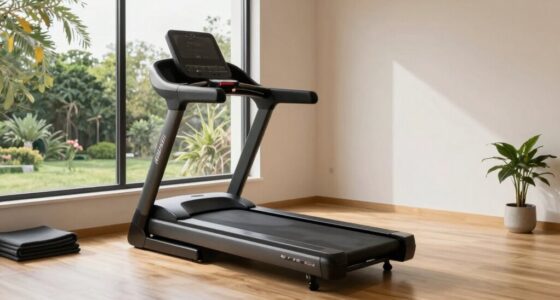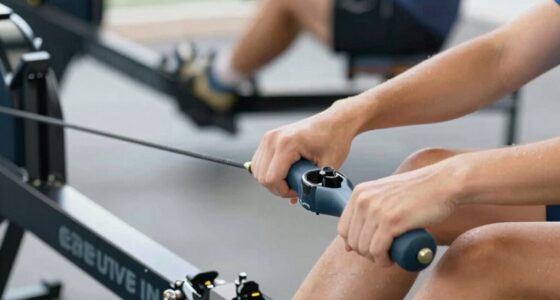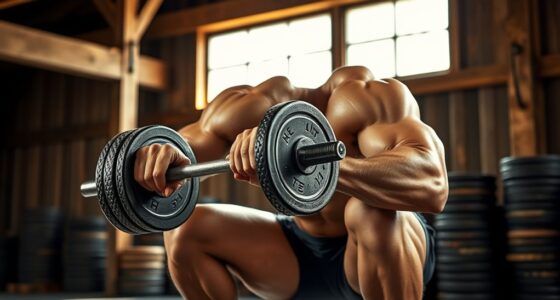

Combining cardio and strength training is a smart way to boost your weight loss. Cardio helps you burn calories quickly, while strength training builds lean muscle that increases your metabolic rate. Alternating between high-intensity intervals and muscle-strengthening exercises keeps your workouts effective and engaging. This mix not only burns fat during exercise but also helps your body burn calories more efficiently afterward. Keep going, and you’ll discover even more ways to maximize your results.
Key Takeaways
- Combining cardio and strength training maximizes calorie burn and muscle building for effective weight loss.
- Interval training within cardio sessions boosts metabolism and promotes fat loss.
- Strength training increases lean muscle mass, which enhances resting metabolic rate.
- Alternating between cardio and strength exercises maintains workout variety and prevents plateaus.
- A balanced routine supports overall health, accelerates weight loss, and improves body composition.

Exercise is one of the most effective ways to shed excess weight and improve your overall health. When it comes to weight loss, combining different types of workouts can boost your results profoundly. One powerful approach is integrating interval training into your routine. Interval training involves alternating between high-intensity bursts and lower-intensity recovery periods. This method not only keeps your workouts engaging but also maximizes calorie burn in a shorter time. For example, you might sprint for 30 seconds, then walk for a minute, repeating this pattern for 20-30 minutes. The intense segments push your body to work harder, increasing your metabolic rate even after you finish exercising. Over time, this can lead to more efficient fat loss.
In addition to incorporating interval training, paying attention to diet planning plays an essential role in your weight loss journey. Exercise alone won’t be enough if your nutritional habits aren’t aligned with your goals. Focus on creating a balanced diet that emphasizes whole foods like vegetables, lean proteins, healthy fats, and complex carbohydrates. Keeping track of your meals helps you stay accountable and guarantees you’re not overeating or missing vital nutrients. Proper diet planning allows you to fuel your workouts effectively, maintain energy levels, and prevent cravings that might derail your progress. Incorporating aquatic exercise can also provide a low-impact alternative that enhances your fitness routine. Combining a disciplined diet with regular exercise creates a synergy that accelerates fat loss and improves overall health.
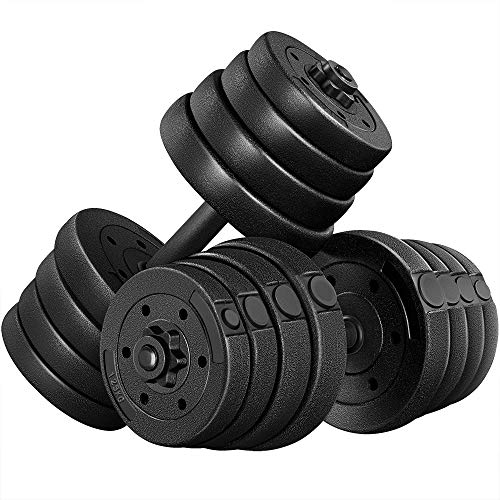
Yaheetech Adjustable Dumbbells Weight Set – 66LB Dumbbell Weights Exercise & Fitness Equipment w/ 4 Spinlock Collars & 2 Connector Options for Women & Men Gym Home Strength Bodybuilding Training
Non-Slip Knurled Handles: This dumbbell set features a hard plastic handle with diamond knurled texture on each bar…
As an affiliate, we earn on qualifying purchases.
As an affiliate, we earn on qualifying purchases.
Frequently Asked Questions
How Often Should I Alternate Cardio and Strength Workouts Weekly?
You should alternate cardio and strength workouts 3 to 5 times a week, giving yourself rest days to recover. For workout variety and essential results, aim to include both types of exercise in your routine, switching them up every day or every few days. Rest days are vital to prevent burnout and injury, so listen to your body and adjust your schedule accordingly for balanced progress and sustained motivation.
Can I Lose Weight Without Doing Strength Training?
Think of your body like a car; without the right maintenance, it won’t run efficiently. You can lose weight without strength training, but it risks muscle loss and slows metabolism. Incorporating workout variation helps preserve muscle, making weight loss easier. Focusing solely on cardio may shed pounds initially, but combining it with strength exercises guarantees muscle preservation and boosts your long-term results. You’re more likely to succeed with a balanced approach.
What Is the Best Time of Day for Exercise?
The best time of day for exercise varies based on your schedule and goals, but ideal timing often favors morning workouts. Exercising in the morning can boost your metabolism, enhance mood, and set a positive tone for the day. If mornings suit you, stick to them consistently. However, the most important thing is finding a time you’ll stick with, whether that’s morning, midday, or evening.
How Does Diet Impact the Effectiveness of Combined Workouts?
Think of your diet as the fuel that powers your workout engine. A caloric deficit helps you shed pounds, but nutrient timing guarantees your body’s ready to perform and recover. When you combine smart eating with your cardio and strength training, you amplify results. Eating protein post-workout, for example, replenishes muscles, making your combined workouts more effective. Your diet and exercise work together like gears in a well-oiled machine.
Are There Specific Exercises Better for Beginners?
You should start with beginner-friendly exercises like brisk walking, cycling, or bodyweight moves such as squats and push-ups. Low-impact workouts are ideal as they reduce joint stress while building strength and stamina. Focus on proper form, and gradually increase intensity to avoid injury. These beginner-friendly exercises help you ease into a routine, making it easier to stay consistent and see progress over time.

Ultimate Guide to HIIT: High-Intensity Interval Training
As an affiliate, we earn on qualifying purchases.
As an affiliate, we earn on qualifying purchases.
Conclusion
Remember, variety is the spice of life—and exercise. Combining cardio and strength training keeps your workouts effective and enjoyable, helping you shed pounds and build confidence. Stick with it, and you’ll see progress over time. As the saying goes, “Rome wasn’t built in a day,” so be patient and stay consistent. Keep moving, stay motivated, and you’ll reach your weight loss goals before you know it!

Sunlite Sports Water Workout Combo Set, High Density Water Weights for Pool Exercise, Swim Belt, Aerobics Equipment, Aqua Jogger Belt, Pool Fitness, Aqua Therapy & Exercise
Instructional Tutorial Videos: This Sunlite Sports water aerobics equipment combo comes with an exercise manual featuring 14 different…
As an affiliate, we earn on qualifying purchases.
As an affiliate, we earn on qualifying purchases.

pixtlcoe Fitness Smart Trackers with 24/7 Health Monitoring,Heart Rate Sleep Blood Oxygen Monitor/Calorie Steps Counter Pedometer Activity Tracker/Smart Notifications for Men Women
24H Accurate Heart Rate Monitoring: Go beyond basic tracking. Our watch automatically monitors your heart rate, blood oxygen…
As an affiliate, we earn on qualifying purchases.
As an affiliate, we earn on qualifying purchases.