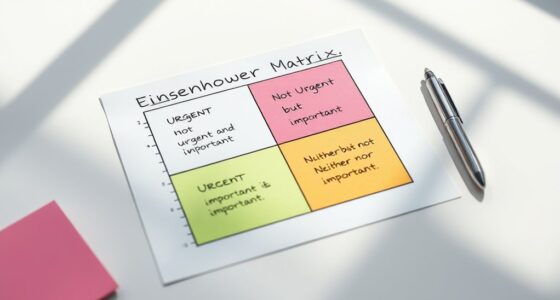

To achieve work-life balance in hybrid environments, set clear boundaries between your personal and professional time. Define specific work hours, communicate your availability, and stick to them. Protect personal activities and limit technology use outside work hours to prevent work from bleeding into your personal life. Prioritize your well-being with flexible scheduling, breaks, and mindfulness. By actively managing these boundaries, you can reduce stress and enjoy a healthier, more fulfilling balance. Keep exploring to discover effective strategies for maintaining these boundaries.
Key Takeaways
- Establish clear work hours and communicate them to colleagues to prevent work from encroaching on personal time.
- Create physical or digital boundaries, such as dedicated workspaces and notification management, to separate work and personal life.
- Schedule regular breaks and personal activities to prioritize mental health and prevent burnout.
- Use flexible scheduling to align work hours with personal productivity peaks and well-being needs.
- Practice saying no to additional tasks outside your set boundaries to protect personal time and reduce stress.

Are you struggling to find harmony between your work and personal life? If so, you’re not alone. Many people find it challenging to draw clear boundaries in today’s hybrid work environment, where the lines between professional and personal time often blur. The key to achieving work-life balance lies in establishing firm boundaries, and one effective way to do that is by embracing flexible scheduling. When you have control over your work hours, you can tailor your day to fit your personal needs, reducing stress and improving overall well-being. For example, if you’re more productive in the mornings, you can start work early and finish before your family wakes up. Alternatively, if afternoons are your peak times, you can shift your schedule accordingly. This adaptability allows you to prioritize mental health strategies, like taking regular breaks, practicing mindfulness, or scheduling time for exercise—things that help manage stress and boost your mood.
Implementing flexible scheduling requires awareness and intentionality. You need to assess your natural rhythms and commitments, then communicate your availability clearly with colleagues and supervisors. Setting specific work hours, even in a hybrid setting, signals to others that your personal time is important and deserves respect. This also helps you avoid the trap of working beyond designated hours, which can lead to burnout and negatively impact mental health. By consciously setting boundaries around your work schedule, you create space for personal activities that recharge you, whether it’s reading, hobbies, or quality time with loved ones. Additionally, understanding the role of technology in blurring boundaries—such as constant email or message notifications—can help you establish digital boundaries to protect your personal time.
Mental health strategies are essential in maintaining this balance. Recognize that boundaries aren’t just about stopping work at a certain time—they’re about protecting your emotional and psychological well-being. Strategies like mindfulness meditation, journaling, or deep-breathing exercises can help you stay grounded and reduce work-related stress. Don’t hesitate to incorporate these practices into your daily routine, especially during moments when work pressure feels overwhelming. Remember that saying no to additional tasks or overtime when your schedule is full is a crucial boundary that preserves your mental health.
Ultimately, balancing work and life in a hybrid environment demands a proactive approach. By leveraging flexible scheduling and prioritizing mental health strategies, you take control of your boundaries, ensuring that both your professional responsibilities and personal needs are met. This intentional effort pays off in increased productivity, greater satisfaction, and a healthier, more fulfilling life. Recognizing the importance of proper technology management can further enhance your ability to maintain these boundaries effectively.
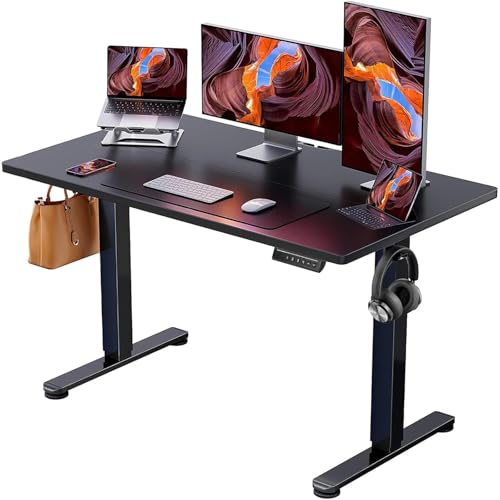
ErGear Height Adjustable Electric Standing Desk, 48 x 24 Inches Sit Stand up Desk, Memory Computer Home Office Desk, Black
Electric Height Adjustable Standing Desk for Comfortable Work – Switch effortlessly between sitting and standing with this electric…
As an affiliate, we earn on qualifying purchases.
As an affiliate, we earn on qualifying purchases.
Frequently Asked Questions
How Can I Maintain Boundaries With Coworkers Remotely?
You can maintain boundaries with coworkers remotely by setting clear work hours and sticking to them. Use virtual watercooler chats to connect without blurring boundaries, and avoid checking emails outside your scheduled time. Practice emotional detachment by not taking work issues personally after hours. Communicate openly about your limits, and encourage colleagues to respect your boundaries, helping you stay balanced and focused both professionally and personally.
What Tools Help Enforce Work-Life Separation?
When work blurs into your personal life, tools like time blocking apps help enforce boundaries, ensuring you don’t overextend. Pair this with digital detox periods to disconnect from work notifications and regain clarity. These tools create a clear divide, allowing you to focus on what matters most outside of work hours. By actively setting limits, you restore balance, making work and personal life feel like distinct, fulfilling parts of your day.
How Do I Handle Overlapping Work and Personal Time?
To handle overlapping work and personal time, prioritize your schedule with effective time management. Set clear boundaries by designating specific hours for work and personal activities, and stick to them. Use reminders or digital tools to stay on track, and communicate your availability to colleagues and family. This approach reduces stress and helps you maintain a healthy balance, ensuring you’re present and productive in both areas.
What Are Signs of Burnout in Hybrid Work?
You might notice signs of burnout, like constant fatigue, irritability, or difficulty focusing, which can impact your mental health. Poor time management may lead you to work longer hours, neglecting personal needs. If you feel overwhelmed or disconnected from your work and life, it’s a clear sign you need to reassess boundaries. Prioritize self-care, set clear limits, and seek support to protect your mental health and regain balance.
How Can Managers Support Boundary-Setting Efforts?
You can support boundary-setting by encouraging employee accountability and fostering open boundary communication. Clearly define expectations around work hours and availability, and check in regularly to guarantee boundaries are respected. Promote a culture where employees feel comfortable discussing their limits and challenges. By actively listening and providing guidance, you help create an environment that respects personal time, reducing burnout and boosting overall well-being.

ProCase Noise Reduction Ear Muffs, Sound Proof Ear Protection, NRR 28dB Noise Cancelling Headphones for Adults Kids Autism, Hearing Protection for Shooting Gun Range Mowing -Red
Constructed by solid ABS shell and thickened foam, the ear muffs achieve NRR 28 dB (SNR 34 dB)…
As an affiliate, we earn on qualifying purchases.
As an affiliate, we earn on qualifying purchases.
Conclusion
Remember, “A stitch in time saves nine.” By setting clear boundaries in your hybrid work environment, you can protect your personal time and avoid burnout. Prioritize your well-being and communicate your limits openly. When you establish healthy boundaries, you’ll find it easier to enjoy both your work and personal life. Keep in mind, balance isn’t a destination—it’s a continuous effort. Take control today, and create a sustainable, fulfilling routine that works for you.

Slide-On Pet ID QR Code Tag, Gold, Durable, Silent Dog Tags, Large, Includes Free Digital Pet Profile App with Health Records Manager & Document Hub
DIGITAL PET ID: Innovative slide-on QR tag design eliminates jingling while providing comprehensive digital identification for pets
As an affiliate, we earn on qualifying purchases.
As an affiliate, we earn on qualifying purchases.

Retrospec Sedona Zafu Meditation Cushion with Buckwheat Hull Fill – Adjustable Yoga & Pilates Equipment Support – 17in Crescent Cotton Cover
NATURAL COMFORT & SUPPORT: Filled with sustainable buckwheat hulls, this meditation cushion elevates your practice by aligning your…
As an affiliate, we earn on qualifying purchases.
As an affiliate, we earn on qualifying purchases.