
To prevent small disconnects from becoming bigger problems, start by identifying signal interference from new electronics nearby, and move devices away to improve stability. Check all cables and connections, tightening or replacing damaged wires. Keep your firmware updated and eliminate clutter that may cause interference. Adjust your Wi-Fi channels to reduce congestion and make sure your router is placed centrally and openly. For persistent issues, consider upgrading your equipment. Continuously optimizing these areas can save you from major outages; learn more to keep your network reliable.

Get health and wellness essentials delivered free with Prime
- Fast, free delivery on millions of items
- Prime Video, Amazon Music and more included
- Member-only deals all year
Key Takeaways
- Move electronic devices away from potential interference sources like microwaves and cordless phones.
- Regularly check and tighten or replace loose or damaged cables and connections.
- Update firmware and software to ensure optimal device performance and stability.
- Optimize router placement and change Wi-Fi channels to reduce congestion and improve signal quality.
- Upgrade outdated hardware to newer models supporting current wireless standards for better reliability.
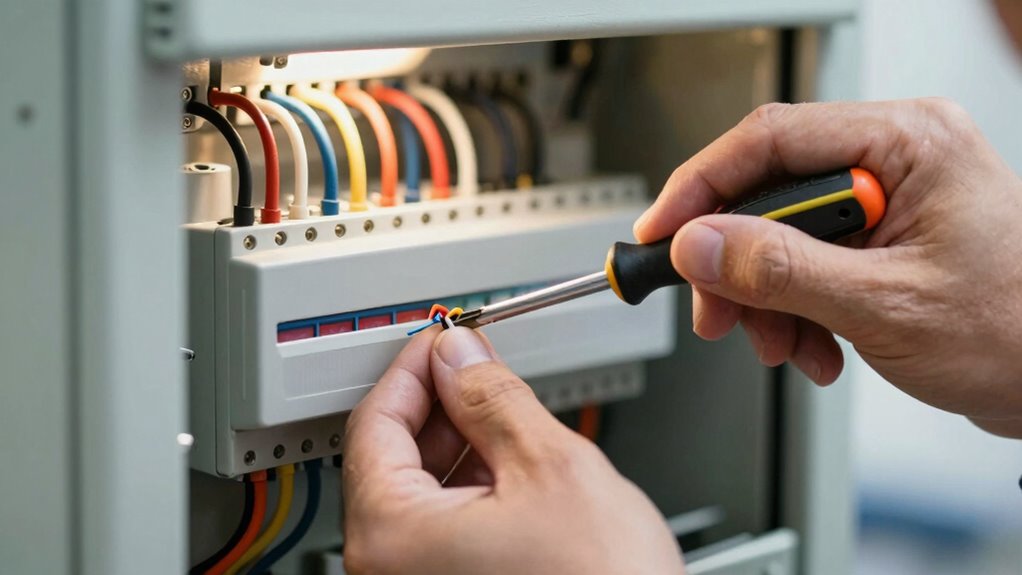
Small disconnects in your electrical or electronic systems can be frustrating, but they’re often simple to fix with the right approach. When dealing with wireless devices, wireless troubleshooting becomes a key step. Many issues stem from signal interference, which can disrupt communication between devices and cause small disconnects that seem inexplicable. Before panicking or calling in professional help, take a moment to analyze your setup. Check if there are new electronic devices or appliances nearby that could be causing interference. Sometimes, even a microwave or cordless phone can interfere with Wi-Fi signals, leading to intermittent connectivity. Moving your router or wireless device away from potential sources of signal interference can often restore a stable connection.
Small disconnects often stem from signal interference; relocating your device can restore stable wireless connections.
If your wireless troubleshooting efforts don’t resolve the problem, inspect your cables and connections carefully. Loose or damaged wires are common culprits, especially in older setups. Tighten loose connections and replace any frayed or damaged cables. For electronic systems, ensure all plugs are fully inserted and that no ports are corroded or dirty. Sometimes, small disconnects happen simply because of poor contact, and cleaning or reseating connectors can fix that rapidly. Additionally, signal interference can be caused by environmental factors, so optimizing your setup is crucial. You might also consider checking your device’s firmware or software to ensure it’s up to date, as outdated versions can contribute to connectivity issues. Regularly updating your firmware can also prevent vulnerabilities that might be exploited by interference or malfunctions. Ensuring your environment is free of unnecessary electronic clutter can also help minimize potential sources of electromagnetic interference.
If you’re troubleshooting a network or device that relies heavily on wireless signals, consider the environment. Walls, furniture, and other obstructions can weaken signals, causing small disconnects that seem random. Position your router or access points in open, central locations to maximize coverage. Additionally, changing the Wi-Fi channel can help avoid congestion caused by multiple nearby networks operating on the same frequency. Many routers allow you to switch channels manually or automatically, which can greatly improve stability. Being aware of regional flavors and different wireless standards can help you choose the best setup for your area. Upgrading your hardware periodically ensures compatibility with current wireless standards and can prevent frequent disconnections caused by outdated technology.
Finally, if you notice persistent small disconnects despite taking these steps, it might be time to replace outdated equipment. Wireless technology evolves quickly, and older hardware may struggle with modern demands, leading to frequent interruptions. Upgrading your router, cables, or other components can provide a more reliable setup. Remember, small disconnects are often signals that something needs a minor adjustment. Addressing signal interference, tightening connections, updating firmware, and optimizing your environment usually prevent these minor issues from escalating into larger, more disruptive problems. Being aware of wireless standards can help you make informed decisions when upgrading to newer technology.
As an affiliate, we earn on qualifying purchases.
Frequently Asked Questions
How Can I Identify a Small Disconnect Early?
You can identify a small disconnect early through regular electrical inspections and preventive maintenance. Watch for signs like flickering lights, frequent circuit breaker trips, or warm outlets, which indicate potential issues. Conduct routine checks and schedule professional inspections to catch problems early. Staying proactive helps prevent small disconnects from worsening, ensuring your electrical system remains safe and reliable. Addressing issues promptly saves you money and avoids larger, costly repairs later.
Are There Tools Specifically for Detecting Minor Disconnects?
Yes, there are tools specifically for detecting minor disconnects. Wireless sensors continuously monitor connections, alerting you to issues before they escalate. Diagnostic tools analyze signal integrity, pinpointing weak spots or interruptions. Think of these tools as your vigilant eyes and ears, catching subtle signs of trouble early. They provide real-time insights, helping you proactively maintain system health and prevent small disconnects from turning into major problems.
What Safety Precautions Should I Take Before Repairing?
Before repairing, prioritize electrical safety by turning off the power supply to avoid shocks. Always wear protective gear like insulated gloves and safety glasses to shield yourself from potential sparks or debris. Use insulated tools to prevent accidental short circuits. Confirm the circuit is de-energized with a tester before starting. Taking these precautions minimizes risks, ensuring your safety while effectively fixing small disconnects before they escalate.
How Often Should I Check for Small Disconnects?
You should check for small disconnects at least quarterly—think of it as the heartbeat of your electrical safety. Regular maintenance tips are vital because even tiny issues can escalate quickly. By inspecting your system consistently, you prevent potential disasters and guarantee everything runs smoothly. Don’t wait for a warning sign; proactive checks keep your home safe, saving you from costly repairs and dangerous situations down the line.
Can Minor Disconnects Cause Long-Term Damage?
Minor disconnects can cause long-term damage if left unchecked. Electrical corrosion can develop at connection points, leading to increased resistance and potential overheating. Insulation damage might expose wires, risking short circuits or electrical fires. Over time, these issues weaken the system’s integrity, leading to costly repairs or replacements. Regular inspections help you catch small disconnects early, preventing corrosion and insulation damage from escalating into serious, long-lasting problems.
As an affiliate, we earn on qualifying purchases.
Conclusion
Don’t wait until that small disconnect turns into a major problem. Addressing issues early might seem simple now, but neglecting them could lead to unexpected surprises down the line. The next time you notice a tiny glitch, remember—it’s the warning sign you shouldn’t ignore. Acting promptly keeps your connections strong and your stress low. Because sometimes, what appears minor today could be the beginning of a much bigger challenge tomorrow. Stay vigilant—you never know what’s just around the corner.
As an affiliate, we earn on qualifying purchases.
As an affiliate, we earn on qualifying purchases.
Halloween Picks
halloween
As an affiliate, we earn on qualifying purchases.