
TL;DR
A person has experienced three months of insomnia and seeks advice. Medical experts confirm some treatments are effective, but individual responses vary. Ongoing research aims to better understand long-term solutions.
A person has been experiencing insomnia for the past three months and is seeking advice on potential treatments. Medical experts confirm that certain interventions can help, but individual responses vary, and more research is needed to understand long-term solutions.
The individual’s report of ongoing insomnia highlights a common issue affecting millions worldwide. According to sleep specialists, cognitive behavioral therapy for insomnia (CBT-I) is currently the most evidence-based non-pharmacological treatment with proven long-term benefits, as confirmed by recent clinical guidelines. Pharmacological options, such as melatonin or certain sleep aids, may provide short-term relief but are generally recommended with caution due to potential side effects and dependency risks.
Recent studies referenced by sleep researchers indicate that lifestyle modifications, including maintaining a consistent sleep schedule, reducing screen time before bed, and managing stress, can improve sleep quality. However, the effectiveness of these interventions varies among individuals. It is not yet clear why some people respond better than others, and personalized treatment remains an active area of research.
Implications for Long-Term Sleep Health
This case underscores the importance of effective treatment options for chronic insomnia, which can significantly impact overall health, mental well-being, and daily functioning. While current therapies like CBT-I are effective for many, ongoing research aims to identify new approaches and personalize treatments. Understanding individual differences in treatment response remains a priority for sleep medicine.
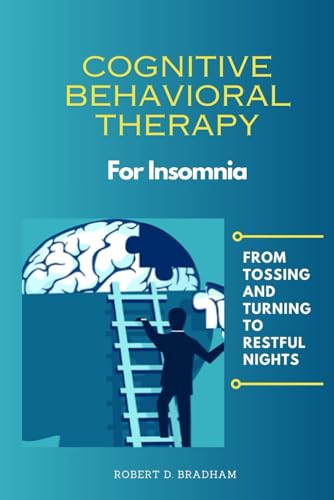
Cognitive Behavioral Therapy For Insomnia: From Tossing and Turning to Restful Nights
As an affiliate, we earn on qualifying purchases.
As an affiliate, we earn on qualifying purchases.
Recent Advances and Current Treatment Guidelines
Chronic insomnia affects a substantial portion of the population, with many cases persisting for months or years. The American Academy of Sleep Medicine recommends CBT-I as the first-line treatment, supported by numerous studies demonstrating its efficacy. Pharmacological options are typically reserved for short-term use or when behavioral therapies are ineffective. Recent research has focused on understanding the neurobiological basis of insomnia and developing targeted therapies, but no new widely approved treatments have emerged in recent years.
“Cognitive behavioral therapy remains the most effective long-term treatment for insomnia, with minimal risks compared to medication.”
— sleep specialist
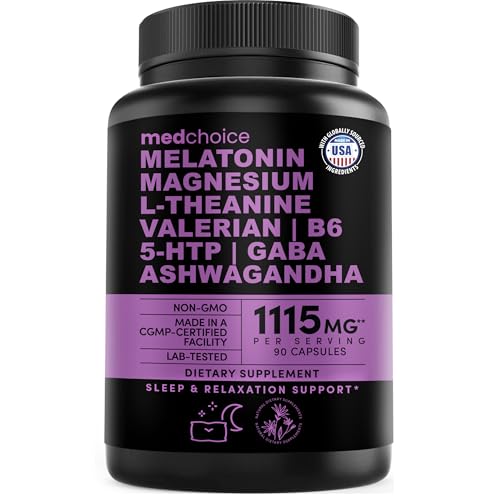
MEDCHOICE 12-in-1 Melatonin 5mg Sleep Capsules with Magnesium, 90ct
- Improved Non-Habit Forming Formula: Supports restful sleep naturally
- Powerful Sleep Ingredients: Contains melatonin, magnesium, ashwagandha, and black pepper
- Feel the Benefits: Promotes calmness and relaxation for better sleep
As an affiliate, we earn on qualifying purchases.
As an affiliate, we earn on qualifying purchases.
Unanswered Questions About Long-Term Insomnia Treatment
It remains unclear why some individuals respond better to certain treatments than others, and whether new therapies will emerge in the near future. The long-term safety and effectiveness of some pharmacological options are also still under study, and personalized treatment strategies are still being developed.

YFONG Weighted Sleep Mask for Women Men, 3D Light Blocking Eye Mask, Black
- Optimal Weight for Better Sleep: 4.2 oz beads for relaxation
- Effective Light Blocking: Ergonomic design with seamless shading
- Comfortable All-Night Wear: Soft, silky, cushioned material
As an affiliate, we earn on qualifying purchases.
As an affiliate, we earn on qualifying purchases.
Future Directions in Insomnia Management
Researchers are continuing to investigate the neurobiological mechanisms of insomnia to develop targeted therapies. Clinicians are also working on refining personalized treatment plans based on individual patient profiles. Patients experiencing persistent insomnia should consult healthcare providers to explore current evidence-based options and stay informed about emerging treatments.
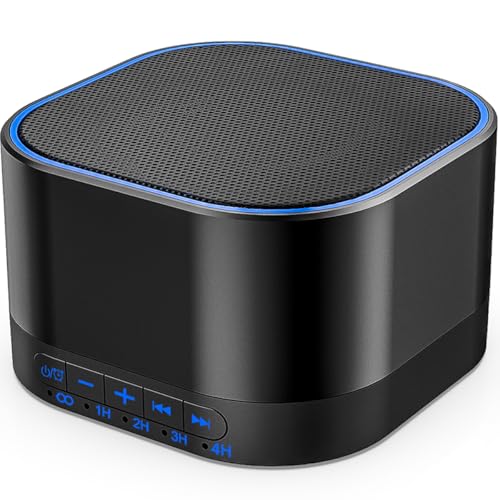
Magicteam Sound White Noise Machine with 20 Non Looping Natural Soothing Sounds and Memory Function 32 Levels of Volume Powered by AC or USB and Sleep Sound Timer Therapy for Baby Kids Adults
- 20 Non-Looping Soothing Sounds: Includes white, pink, brown, blue noise, and nature sounds
- Adjustable Volume & Timer: 32 volume levels and multiple timer options
- Portable & Compact Design: Small size for home, office, or travel use
As an affiliate, we earn on qualifying purchases.
As an affiliate, we earn on qualifying purchases.
Key Questions
What are the most effective treatments for chronic insomnia?
Current evidence supports cognitive behavioral therapy for insomnia (CBT-I) as the most effective long-term treatment, with medications used cautiously for short-term relief.
Can lifestyle changes improve insomnia?
Yes, maintaining a consistent sleep schedule, reducing screen time before bed, and managing stress can help improve sleep quality, though responses vary.
Are sleep aids safe for long-term use?
Most sleep medications are recommended for short-term use due to potential side effects and dependency risks. Always consult a healthcare provider before use.
Is there ongoing research into new insomnia treatments?
Yes, researchers are exploring neurobiological mechanisms and personalized therapies, but no new widely approved treatments have emerged recently.
Source: r/sleep