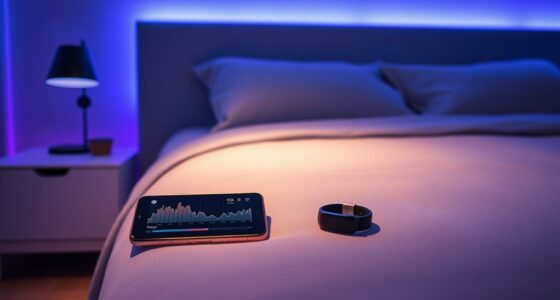
Many couples are choosing to sleep separately to improve their sleep quality and overall well-being. By having separate beds, you can customize your sleep environment to suit your needs, reduce disturbances, and wake up more refreshed. This approach doesn’t lessen intimacy—in fact, it can strengthen emotional connections by promoting better mood and patience. If you want to discover more about how sleep divorce can benefit your relationship, explore the full insights below.

Get health and wellness essentials delivered free with Prime
- Fast, free delivery on millions of items
- Prime Video, Amazon Music and more included
- Member-only deals all year
Key Takeaways
- Couples opt for separate beds to improve sleep quality by reducing disturbances like snoring and movement.
- Sleeping apart can enhance emotional well-being, leading to more patience and better intimacy during waking hours.
- It challenges traditional norms, emphasizing personalized sleep environments for better rest.
- Open communication and experimentation help couples find arrangements that support both rest and connection.
- Good sleep is seen as foundational for healthier relationships, making separate beds a practical solution.

Sleep divorce is a growing trend where couples choose to sleep separately to improve their individual rest and overall well-being. If you’ve ever found yourself tossing and turning while your partner snores or shifts, you’re not alone. Many couples discover that sharing a bed, once a symbol of intimacy, can sometimes lead to restless nights rather than restful sleep. While bed sharing benefits include emotional closeness and comfort, it’s not always the best option for getting quality sleep. When you sleep apart, you can create a sleep environment tailored specifically to your needs, free from disturbances caused by your partner’s movements, sleep habits, or habits like snoring or late-night reading. This separation allows each of you to optimize your sleep environment, adjusting factors like mattress firmness, room temperature, lighting, and noise levels to suit your preferences. As a result, both of you may wake up feeling more refreshed and energized.
Choosing to sleep separately doesn’t mean losing intimacy; instead, it often enhances it. When you’re well-rested, you tend to be more patient, attentive, and emotionally available during waking hours. Some couples find that their physical closeness during the day is more meaningful when they’re not sacrificing sleep at night. Sleep divorce can also reduce the frustration and resentment that sometimes build up over poor sleep quality. You might wake up feeling irritated or exhausted, which can spill over into your interactions with your partner, creating unnecessary tension. By sleeping apart, you preserve the quality of your rest, and that often translates into a better emotional connection during the day.
Of course, adjusting to separate beds requires communication and understanding. It’s important to discuss your needs and boundaries openly, emphasizing that this choice isn’t about distancing but about fostering better health and happiness. If you’re considering sleep divorce, start by experimenting with different sleep environments to see what works best for each of you. Some people find that having their own space encourages better sleep hygiene, like maintaining a consistent bedtime or avoiding electronics before bed. Additionally, advances in sleep technology and AI-driven sleep optimization can help tailor your sleep environment for maximum comfort. Remember, the goal is to find a solution that benefits both your sleep quality and your relationship. When both partners prioritize their rest, it’s easier to nurture a supportive, loving partnership—whether that’s shared nights or separate ones.
adjustable firmness mattress for couples
As an affiliate, we earn on qualifying purchases.
As an affiliate, we earn on qualifying purchases.
Frequently Asked Questions
Does Sleep Divorce Affect Long-Term Relationship Intimacy?
Sleep divorce can impact long-term relationship intimacy if it creates distance or reduces emotional closeness. However, establishing clear bedroom boundaries and communicating openly helps maintain emotional intimacy despite separate sleeping arrangements. You might find that prioritizing quality sleep leads to better moods and connection during waking hours. Ultimately, how you manage boundaries and stay emotionally engaged determines whether sleep divorce strengthens or strains your long-term relationship.
How Do Couples Navigate Bedtime Routines Separately?
You can navigate bedtime routines separately by respecting each other’s personal sleep preferences and establishing clear boundaries. Share your bedtime rituals openly, and find a routine that works for both, like winding down together before separate beds. Communication is key—discuss what helps you sleep best, whether it’s different sleep environments or specific rituals. This approach fosters comfort and preserves intimacy while honoring individual sleep needs.
Is Sleep Divorce Common in Specific Age Groups?
You’ll find sleep divorce more common among older adults, where age-specific trends show couples prioritize quality sleep over shared beds. Younger generations often prefer co-sleeping for intimacy, but as you age, generational preferences shift dramatically. Many in their 50s and beyond see separate beds as a game-changer, reducing conflicts and improving rest, proving that sometimes, separation really can mean better harmony—and better sleep!
What Are the Financial Implications of Separate Sleeping Arrangements?
Choosing separate beds can impact your finances by potentially increasing costs due to dual setups. You might need to invest in additional bedding or furniture, affecting your budget. It could also influence your insurance considerations, especially if sleep quality impacts health, leading to higher premiums. However, maintaining financial independence by managing these expenses can help you balance comfort and cost, ensuring your sleep arrangements don’t overly strain your finances.
Can Sleep Divorce Improve Overall Health and Well-Being?
Yes, sleep divorce can improve your overall health and well-being. By setting bedroom boundaries and prioritizing sleep quality, you reduce disruptions and improve rest. Better sleep boosts your immune system, reduces stress, and enhances mental clarity. Even if you worry about intimacy, separate beds can foster healthier routines, leading to more restorative sleep and a happier, more energized you.
As an affiliate, we earn on qualifying purchases.
Conclusion
Ultimately, choosing separate beds isn’t about abandoning intimacy; it’s about finding harmony in your sleep. Like two stars shining brighter apart, you and your partner can still glow together, even if your nights are spent in different beds. Prioritizing restful sleep can strengthen your bond, proving that sometimes, going your separate ways at night leads to waking up refreshed and more connected than ever. After all, a good night’s sleep is the foundation of a happy relationship.
dual zone cooling mattress topper
As an affiliate, we earn on qualifying purchases.
As an affiliate, we earn on qualifying purchases.
As an affiliate, we earn on qualifying purchases.
Cold & flu season Picks
humidifiers
As an affiliate, we earn on qualifying purchases.