
When making sustainability choices with imperfect information, focus on understanding the overall benefits and potential impacts of your actions. Prioritize options that reduce environmental harm, like renewable energy or recycling, even if details aren’t perfect. Stay informed about new developments and use lifecycle assessments to weigh benefits against drawbacks. Remember, you don’t need complete certainty—acting thoughtfully and continuously updating your knowledge can lead to better decisions over time. Keep exploring to discover more ways to make impactful choices.

Get health and wellness essentials delivered free with Prime
- Fast, free delivery on millions of items
- Prime Video, Amazon Music and more included
- Member-only deals all year
Key Takeaways
- Prioritize options with clear environmental benefits, even if full lifecycle data is unavailable.
- Stay informed about technological and policy updates to refine your sustainability decisions.
- Use lifecycle assessments to weigh environmental impacts from production to disposal.
- Focus on reducing waste and choosing biodegradable or sustainable products whenever possible.
- Make decisions based on long-term goals, balancing known benefits against uncertainties.

Have you ever faced a tough choice about sustainability when you didn’t have all the facts? It’s common to feel overwhelmed because the options aren’t always clear, especially when information is incomplete or complex. When considering your role in sustainability, you might wonder if switching to renewable energy is truly better than sticking with conventional sources or how to handle waste management effectively. The truth is, making informed decisions in this area involves more than just knowing the facts; it’s about understanding what’s most impactful given the uncertainties.
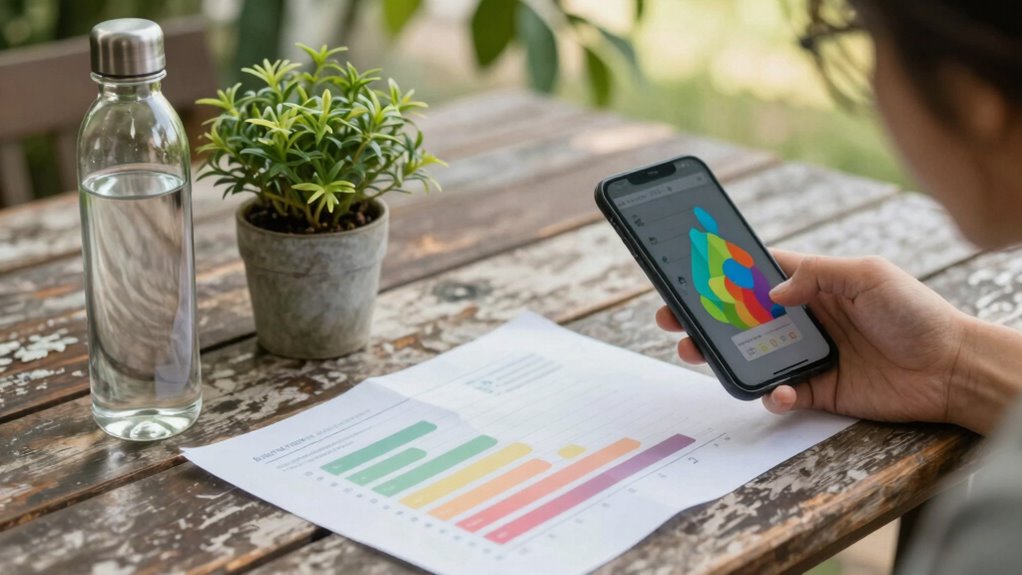
Renewable energy offers a promising way to reduce your carbon footprint, but the technology isn’t flawless. You might worry about the environmental costs of manufacturing solar panels or wind turbines, or whether the energy supply will be reliable enough for your needs. While these concerns are valid, you can weigh the overall benefits—like lower greenhouse emissions—against the potential drawbacks. It’s also helpful to stay updated on advancements in renewable energy, as ongoing innovations continue to lessen concerns about environmental impact and efficiency. Even if you don’t have all the facts now, investing in renewable energy sources can still be a better choice than fossil fuels, especially when considering long-term sustainability and climate goals. Additionally, understanding the lifecycle assessments of energy systems can help you evaluate their true environmental impact. Being aware of the environmental impacts of manufacturing can also guide you toward more responsible choices in energy investments.
Renewable energy reduces your carbon footprint despite some limitations; ongoing innovations make it a smarter, long-term choice.
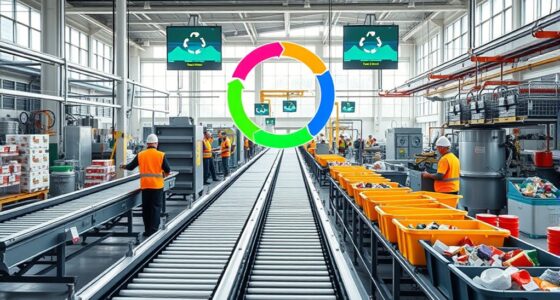
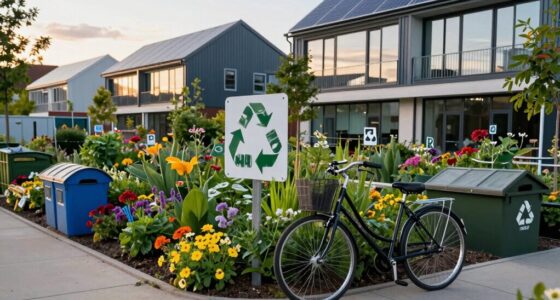
Waste management is another area where imperfect information can make decision-making tricky. You may question whether recycling is always the best option or if certain waste streams should be disposed of differently. Often, the best approach is to focus on reducing waste at the source and choosing biodegradable or compostable products when possible. While some waste management practices might seem uncertain or resource-intensive, they generally help reduce landfill overflow and pollution. You can also educate yourself about local waste management policies and practices, which vary widely. This knowledge helps you make smarter choices about how to dispose of your waste and participate in community programs that promote recycling and composting. Additionally, understanding the environmental impacts of waste can guide you toward more sustainable disposal methods. Furthermore, considering the resale value of items, such as electric bikes or other sustainable products, can influence your purchasing decisions and waste reduction strategies. Incorporating life cycle assessments into your decision-making can provide a clearer picture of a product’s sustainability from production to disposal, even with limited information.
solar panel renewable energy kit
As an affiliate, we earn on qualifying purchases.
As an affiliate, we earn on qualifying purchases.
Frequently Asked Questions
How Can I Trust Sustainability Claims With Limited Data?
You can trust sustainability claims by verifying their credibility through independent sources and third-party certifications. Look for labels that emphasize data reliability and transparency, such as eco-labels or sustainability reports. Don’t just rely on marketing claims; do a bit of research to cross-check the information. Asking questions about how data was collected and scrutinizing the evidence helps guarantee you’re making informed, trustworthy sustainability choices despite limited data.
What Are Quick Tips for Assessing Environmental Impact?
Did you know that eco-friendly labeling can influence 70% of consumers’ purchase decisions? To assess environmental impact quickly, look for reputable eco labels that emphasize resource conservation. Check product ingredients and materials—prefer those with minimal environmental footprint. Research brands’ sustainability practices online. Prioritize companies transparent about their efforts. These quick tips help you make informed decisions, even with limited information, supporting resource conservation and eco-friendly choices effortlessly.
How Do I Balance Cost and Sustainability?
You balance cost and sustainability by prioritizing eco-friendly investments that offer long-term savings and environmental benefits. Look for products with transparent ethical sourcing practices, ensuring fair labor and sustainable materials. Compare upfront costs with durability and energy efficiency, and consider the environmental impact over time. By making informed choices that align with your values, you can support sustainability without overspending, creating a balance that benefits both your budget and the planet.
Can Small Actions Make a Significant Difference?
Absolutely, your small actions can create a ripple effect that transforms the world! Every eco-friendly habit you adopt, like recycling or reducing plastic use, fuels a movement of conscious consumption. These tiny steps might seem insignificant, but they collectively lead to massive change. When you commit to sustainable choices daily, you’re not just making a difference—you’re inspiring others to follow suit. Your efforts truly can save the planet, one small action at a time!
How Do I Stay Informed About Sustainability Updates?
You stay informed about sustainability updates by subscribing to eco-friendly blogs and newsletters that focus on sustainable habits and eco-friendly products. Follow reputable organizations and influencers on social media for real-time news. Attend webinars or local events to deepen your understanding. Regularly check environmental reports. This way, you make conscious decisions, incorporate sustainable habits, and choose eco-friendly products confidently, even with imperfect information.
biodegradable compostable trash bags
As an affiliate, we earn on qualifying purchases.
As an affiliate, we earn on qualifying purchases.
Conclusion
Even with imperfect information, your choices can still make a massive impact—like a ripple turning into a tidal wave. Trust your instincts, seek out reliable sources, and remember that no decision is perfect. Every small step you take toward sustainability adds up to a bigger change than you might imagine. So don’t let uncertainty hold you back; your actions are powerful enough to shape a better, greener future—more than you ever thought possible.
home recycling and waste management bin
As an affiliate, we earn on qualifying purchases.
As an affiliate, we earn on qualifying purchases.
lifecycle assessment energy products
As an affiliate, we earn on qualifying purchases.
As an affiliate, we earn on qualifying purchases.
Halloween Picks
halloween
As an affiliate, we earn on qualifying purchases.