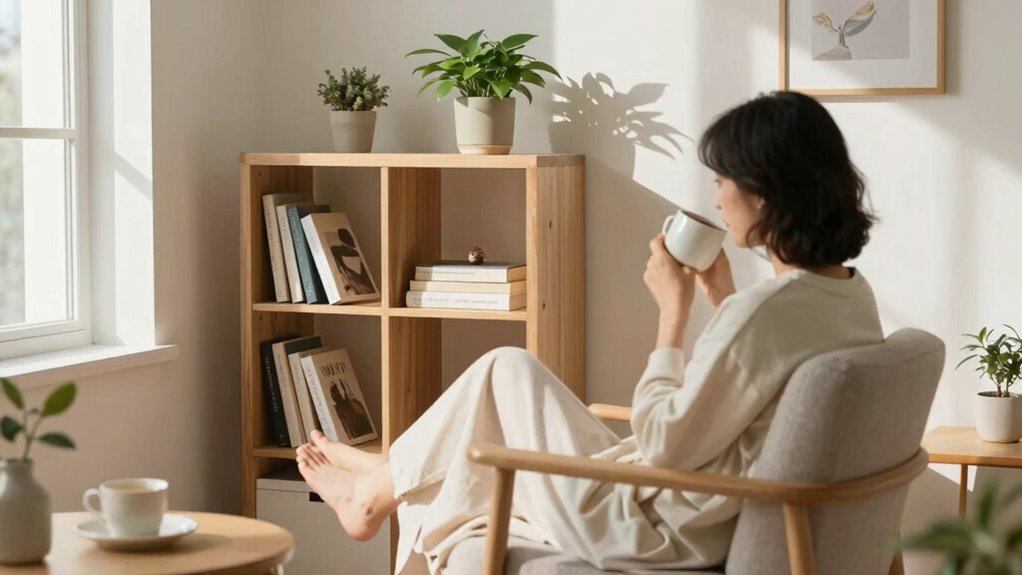

To reduce consumption without feeling like you’re missing out, focus on adopting a minimalist mindset by valuing quality over quantity and appreciating what you already have. Prioritize needs over fleeting desires, practice gratitude, and choose purposeful, durable items. Build sustainable habits like repairing rather than replacing and shopping secondhand. Set clear goals based on eco-friendly practices, and shift your focus to experiences and connections that truly matter. Keep exploring ways to live intentionally—you’ll discover more fulfilling alternatives along the way.

Get health and wellness essentials delivered free with Prime
- Fast, free delivery on millions of items
- Prime Video, Amazon Music and more included
- Member-only deals all year
Key Takeaways
- Shift focus to meaningful experiences and relationships instead of material possessions.
- Practice gratitude for what you already own to reduce the desire for more.
- Prioritize quality, durability, and purpose over quantity when making purchases.
- Incorporate mindful habits like repairing items and choosing second-hand to slow consumption.
- Set clear goals aligned with sustainability and well-being to stay motivated and fulfilled.

Have you ever wondered how your daily choices impact the environment and your wallet? Every purchase, whether big or small, contributes to your overall consumption. Adopting a minimalist mindset can help you see that living with less doesn’t mean missing out; instead, it opens doors to more meaningful experiences. When you focus on quality over quantity, you naturally develop sustainable habits that reduce unnecessary spending and waste. This shift in perspective empowers you to be more intentional with your choices, making it easier to cut back without feeling deprived.
To start reducing your consumption without the fear of missing out, consider evaluating what truly adds value to your life. Ask yourself if you need an item or if it’s just a fleeting desire. Often, we buy things because of social pressure or the thrill of newness, but those feelings fade quickly. By embracing a minimalist mindset, you learn to appreciate what you already have. This doesn’t mean you have to give up everything you enjoy; it means you prioritize quality, durability, and purpose over impulse buys. As you do this, you’ll find that your desire for excess diminishes, replaced by a deeper satisfaction with simpler pleasures.
Building sustainable habits is key. Start small by choosing to repair instead of replace, or opting for second-hand items. When shopping, focus on essentials and invest in items that will last longer. Over time, these habits become second nature, and you’ll notice your consumption naturally slowing down. You don’t need to sacrifice fun or comfort—just shift your mindset. For example, hosting a game night instead of going out, or cooking at home rather than dining out frequently, can fulfill your social needs without increasing your spending. These choices help you enjoy life’s essentials without feeling like you’re missing out on anything. Additionally, being mindful of overconsumption and its environmental impacts can further motivate sustainable decisions. Incorporating sound science into your understanding of consumption and health can also inspire more mindful choices.
It’s also helpful to set clear goals aligned with your values. Whether that’s saving money, reducing waste, or simplifying your life, having a purpose makes it easier to resist unnecessary purchases. Remember, reducing consumption isn’t about deprivation; it’s about creating space for what truly matters. Additionally, incorporating eco-friendly practices like using natural and sustainable materials in your home can further support these efforts. Being aware of AI tools and their impact on productivity can also help you optimize your time and resources, allowing you to focus more on meaningful experiences. As you adopt sustainable habits, you’ll discover that fulfillment comes from experiences and connections rather than possessions. Ultimately, living intentionally with a minimalist mindset allows you to enjoy the present moment more fully, without constantly chasing the next new thing.
durable minimalist kitchen utensils
As an affiliate, we earn on qualifying purchases.
As an affiliate, we earn on qualifying purchases.
Frequently Asked Questions
How Can I Stay Motivated to Reduce Consumption Long-Term?
To stay motivated for long-term behavior change, focus on cultivating a sustainability mindset that reminds you of your impact. Celebrate small wins and track your progress, which keeps you engaged and motivated. Surround yourself with like-minded people and resources that reinforce your goals. Remember, consistency matters more than perfection. When you see the positive difference your efforts make, it fuels your motivation to maintain these sustainable habits over time.
What Are Quick Wins to Immediately Cut Down Expenses?
Think of your expenses as a garden—you need to prune to see growth. Start with quick wins like budgeting and expense tracking; set a limit for dining out and impulse buys. Review your bank statements to identify unnecessary costs. Small adjustments, such as canceling unused subscriptions or buying generic brands, can make a big difference. These steps help you cut expenses immediately and keep your financial landscape healthy and thriving.
How Does Reducing Consumption Impact Mental Health?
Reducing consumption can positively impact your mental health by boosting mindfulness awareness, helping you stay present and appreciate what you have. It also strengthens emotional resilience, making it easier to handle stress and avoid impulsive decisions. As you cut back, you may experience less financial stress and clutter, leading to a clearer mind. This mindful approach encourages healthier habits, improves mood, and fosters a sense of contentment and control over your life.
Can Reducing Consumption Help Improve Relationships?
Reducing consumption can genuinely improve your relationships by encouraging mindful communication and fostering deeper emotional connections. When you focus less on material possessions, you’re more present during interactions, listening actively and showing genuine interest. This shift helps build trust and understanding. By valuing experiences over things, you create meaningful bonds, making your relationships richer and more fulfilling. Less emphasis on consumption allows you to connect more authentically with others.
What Are Common Pitfalls When Trying to Consume Less?
Ever feel like you’re walking a tightrope? Overconsumption triggers a cycle of guilt and endless buying, often fueled by a materialism mindset. A common pitfall is falling for instant gratification, thinking more will fill the void. You might also underestimate how much you already have, leading to unnecessary purchases. Avoid these traps by setting clear limits and reminding yourself that true satisfaction comes from experiences, not possessions.
As an affiliate, we earn on qualifying purchases.
Conclusion
Remember, reducing consumption isn’t about deprivation; it’s about making space for what truly matters. Think of it as decluttering your life—letting go of excess so you can embrace simplicity and joy. When you shift your focus from what you buy to what you cherish, you’ll see that less really is more. So, take small steps today, and watch how your world opens up—like a garden blooming with the beauty of intentional living.
repairable eco-friendly clothing
As an affiliate, we earn on qualifying purchases.
As an affiliate, we earn on qualifying purchases.
As an affiliate, we earn on qualifying purchases.
Cold & flu season Picks
humidifiers
As an affiliate, we earn on qualifying purchases.