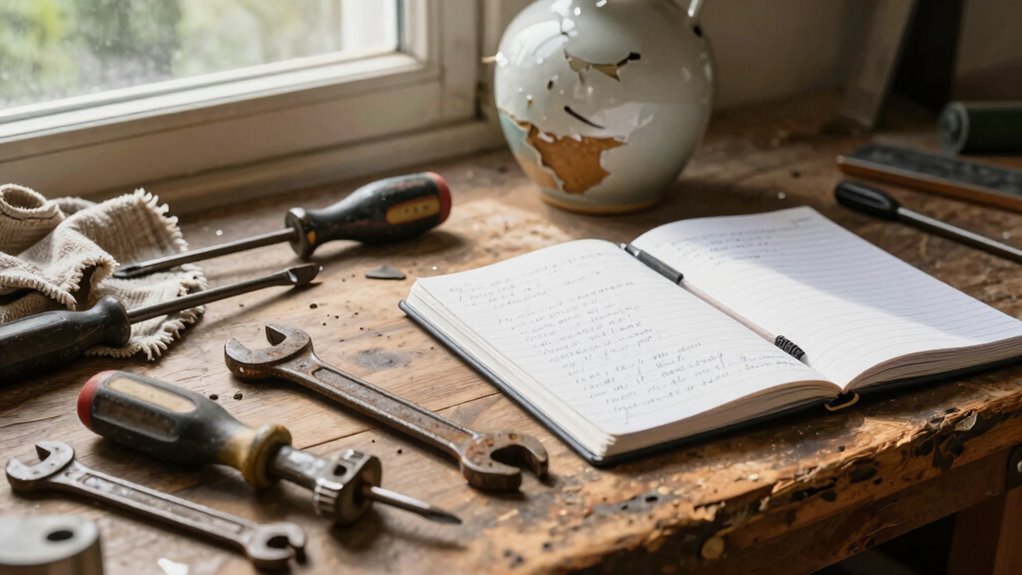

Repair culture matters more than trend culture because it encourages you to focus on sustainability, community strength, and long-lasting value. By repairing belongings, you reduce waste and lessen environmental impacts. It helps build social bonds and community resilience through shared skills and support. Unlike fleeting trends, repair fosters mindful consumption and appreciation for quality. Want to discover how embracing repair can transform your approach to possessions and society? Keep exploring the benefits it offers.

Get health and wellness essentials delivered free with Prime
- Fast, free delivery on millions of items
- Prime Video, Amazon Music and more included
- Member-only deals all year
Key Takeaways
- Repair culture promotes sustainability by extending product lifespans and reducing environmental waste.
- It fosters community resilience through shared skills, resources, and local repair initiatives.
- Repairing emphasizes durability and utility over fleeting trends, encouraging mindful consumption.
- It challenges throwaway culture, fostering long-term value appreciation and responsible consumer habits.
- Repair culture empowers individuals and communities to build sustainable, connected lifestyles beyond transient trends.

In a world obsessed with fleeting trends, repair culture offers a much-needed shift toward sustainability and mindful consumption. Instead of constantly chasing the newest gadgets, fashion, or home decor, you’re encouraged to fix what’s already in your hands. This approach promotes sustainable practices by extending the lifespan of your belongings, reducing waste, and lowering your environmental footprint. When you choose to repair rather than replace, you’re actively participating in a cycle that values durability and resourcefulness. Repairing items isn’t just about saving money; it’s about making a conscious decision to lessen the demand for new products, which often come with significant ecological costs. This mindset encourages you to think long-term, appreciating the value of things and resisting the throwaway culture that dominates today’s consumer habits. Additionally, understanding the importance of color accuracy in projectors can help you better evaluate the quality and longevity of displays used in repair-related tutorials or community workshops. Developing skills in repair techniques can also empower you to handle a wider range of issues and extend the life of your possessions more effectively. Recognizing the role of local repair resources is essential in building a sustainable support system for ongoing maintenance and skill development. Moreover, engaging with electric bike repair communities can provide valuable insights into maintaining and prolonging the lifespan of eco-friendly transportation options. Incorporating knowledge about sustainable materials can further enhance your ability to make environmentally conscious repair choices. Beyond individual benefits, repair culture plays a crucial role in fostering community resilience. When you repair items locally, whether it’s a neighbor fixing a broken chair or a community workshop sharing repair skills, you’re strengthening social bonds. These acts of repair create opportunities for people to connect, share knowledge, and support each other, building a sense of collective responsibility. Community resilience grows as you and others work together to solve problems, reduce dependence on mass-produced goods, and build local resources. Repair cafes, tool libraries, and skill-sharing events exemplify this spirit, turning repair into a communal activity rather than a solitary chore. This culture nurtures a sense of empowerment, reminding you that solutions are often within reach, and that collaborative efforts can have a lasting impact. Choosing repair over trend-driven consumption also shifts the focus away from status symbols and fleeting aesthetics. Instead, you become more mindful of the stories behind your possessions and develop a deeper appreciation for their actual utility. This renewed perspective fosters a more sustainable lifestyle, where quality and longevity matter more than passing fads. As you embrace repair culture, you contribute to a broader movement that values resilience, resourcefulness, and community strength. It’s a way to challenge the throwaway mentality, making your everyday choices more aligned with environmental and social well-being. Repair culture isn’t just about fixing things; it’s about creating a sustainable, connected way of living that endures beyond temporary trends.
As an affiliate, we earn on qualifying purchases.
Frequently Asked Questions
How Can Individuals Start Practicing Repair Culture in Daily Life?
You can start practicing repair culture by embracing DIY repairs for broken items instead of replacing them. Learn simple fixing skills through tutorials or workshops, and keep your focus on mindful consumption by choosing quality products designed to last. When something breaks, see it as an opportunity to repair rather than discard, reducing waste and fostering a sustainable mindset. Small steps like these help build a culture of repair in your daily life.
What Are the Environmental Benefits of Embracing Repair Culture?
By embracing repair culture, you massively cut down on waste, transforming your habits into a powerful force for sustainable consumption. Repairing items instead of tossing them out drastically reduces landfill overflow and conserves resources that would otherwise be wasted. This simple shift amplifies environmental benefits, helping you contribute to a cleaner planet. Your choices become a mighty weapon against pollution, proving that fixing things is way better than constantly buying new.
How Does Repair Culture Impact Local Economies?
Repair culture boosts local economies by fostering economic resilience and supporting local entrepreneurship. When you opt to repair rather than replace, you keep money within your community, helping small repair shops thrive. This encourages innovation and job creation locally, making your economy more resilient to broader financial shocks. By embracing repair culture, you empower local entrepreneurs to develop new skills and services, strengthening your community’s economic stability and sustainability.
Are There Challenges to Adopting Repair Practices Widely?
Yes, adopting repair practices widely faces challenges like cost barriers and skill gaps. You might find repair tools and parts expensive, making it hard to justify repairs. Additionally, lacking the necessary skills can deter you from fixing items yourself, leading to reliance on replacement. Overcoming these hurdles requires affordable resources and accessible education. When these issues are addressed, you’ll find it easier to embrace repair culture and contribute to sustainable practices.
How Does Repair Culture Foster Community Connections?
You see, repair culture fosters community connections by encouraging shared efforts in fixing and maintaining items, which builds social cohesion. When you participate in repair workshops or swap repair tips, you strengthen community resilience by creating supportive networks. These interactions promote trust, cooperation, and a sense of belonging, making your community more resilient and connected. Repair activities turn individual acts into collective strength, emphasizing the importance of togetherness over disposable trends.
As an affiliate, we earn on qualifying purchases.
Conclusion
As you embrace repair culture, you might find it’s no coincidence how it quietly transforms your perspective. Every item fixed becomes a symbol of sustainability, and each effort to repair rather than replace reminds you that lasting value often emerges from patience and care. In a world obsessed with fleeting trends, your choice to prioritize repair connects you to a broader movement—one that’s quietly reshaping the way we see worth, one fix at a time.
As an affiliate, we earn on qualifying purchases.
As an affiliate, we earn on qualifying purchases.
Cold & flu season Picks
humidifiers
As an affiliate, we earn on qualifying purchases.