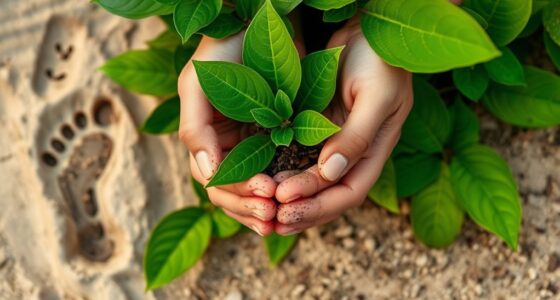
To build sustainable routines one category at a time, focus on small, intentional actions that you can easily incorporate into your daily life. Use habit stacking by attaching new habits to existing routines, and optimize your environment to support your goals. Stay patient and mindful of your progress, gradually refining your routines. By concentrating on one area, you’ll develop automatic behaviors and lasting change. Keep exploring further to discover how to strengthen this approach even more.

Get health and wellness essentials delivered free with Prime
- Fast, free delivery on millions of items
- Prime Video, Amazon Music and more included
- Member-only deals all year
Key Takeaways
- Focus on establishing habits within one specific category before expanding to others to prevent overwhelm.
- Use habit stacking to connect new routines to existing behaviors, reinforcing consistency within a category.
- Create supportive environments tailored to each category to enhance cue-based triggers and routine adherence.
- Practice mindful consistency to reinforce positive behaviors and identify effective strategies for sustainable change.
- Gradually build routines over time with patience and intentionality, ensuring lasting integration and balance.
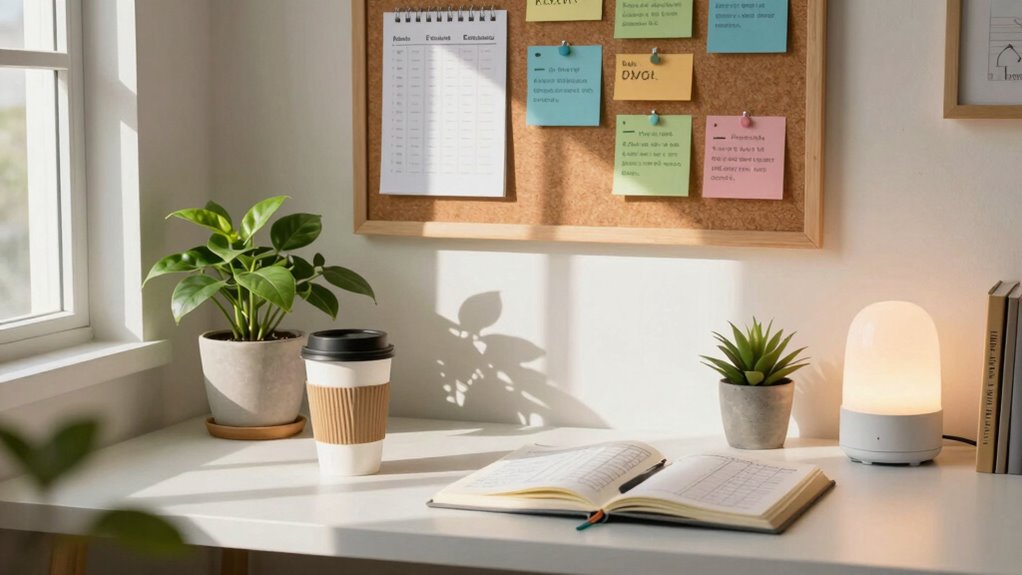
Creating sustainable routines can transform your daily life, making habits easier to maintain over the long term. One effective way to do this is by focusing on mindful consistency. Instead of trying to overhaul your entire day at once, pay close attention to the small actions you perform regularly. When you approach your routines with awareness, you’re more likely to identify what works and what doesn’t. Mindful consistency helps you build habits that stick because you’re intentionally reinforcing positive behaviors without forcing change. For example, if you want to develop a morning workout, start by simply dedicating five minutes each day to stretching or light exercise. Over time, this small step becomes part of your routine because you’re consciously committed to it, not just going through the motions. Incorporating elements of sound healing science into your routine, such as listening to calming frequencies, can further support relaxation and consistency.
Focus on small, consistent actions to build lasting habits through mindful awareness and deliberate effort.
Another powerful method to establish sustainable routines is habit stacking. This technique involves attaching a new habit to an existing one, creating a seamless shift that minimizes resistance. For instance, if you already brush your teeth every morning, use that moment to add a new habit, like doing a quick gratitude reflection or a few deep breaths. Since brushing your teeth is already ingrained, stacking a new habit onto it leverages your current routine, making it easier to remember and perform consistently. Additionally, understanding how to leverage natural environments can help reinforce your routines by creating more engaging and supportive spaces. Habit stacking reduces the mental effort needed to start new behaviors and creates a chain effect that reinforces your progress. When you combine mindful consistency with habit stacking, you’re more likely to develop routines that feel natural and sustainable. Recognizing the importance of long-term adherence can help you stay committed and motivated throughout your journey.
Focusing on one category at a time helps prevent overwhelm and allows you to fine-tune your approach. Choose a specific area, like health, productivity, or self-care, and dedicate your attention solely to creating habits within that category. Once those routines become automatic, you can move on to another area, gradually building a well-rounded, sustainable lifestyle. Breaking your goals into manageable chunks makes the process less intimidating and more achievable. It also gives you the opportunity to observe how different routines interact and support each other, further reinforcing your commitment.
Ultimately, building sustainable routines involves patience and intentionality. By practicing mindful consistency, you stay aware of your progress, and through habit stacking, you create strong links between actions. Focusing on one category at a time keeps your efforts targeted and manageable. Together, these strategies help you develop habits that last, transforming small changes into lasting results. The key is to stay consistent, be present in your actions, and build gradually, one category at a time.
As an affiliate, we earn on qualifying purchases.
Frequently Asked Questions
How Do I Prioritize Which Routines to Focus on First?
You should prioritize routines that align with your biggest goals and daily challenges. Use mindful planning to identify which habits will make the most impact. Start with easy wins, then use habit stacking to connect new routines with existing ones, making them easier to adopt. Focus on consistency over perfection, and gradually add more routines as your confidence grows, ensuring your efforts stay sustainable and effective.
What Tools Can Help Track My Sustainability Progress?
Did you know that 80% of people find digital tracking motivating? For tracking your sustainability progress, consider eco-friendly gadgets like smart water meters or energy monitors. These devices provide real-time data, making it easier to see your impact. Additionally, digital tracking apps help you set goals, monitor habits, and celebrate milestones. Using these tools keeps you engaged and motivated while making your routines more sustainable and impactful.
How Can I Stay Motivated Long-Term?
To stay motivated long-term, focus on intrinsic motivation—reminding yourself why these routines matter deeply to you. Reinforce your habits by celebrating small wins and tracking progress, which boosts your sense of achievement. Keep your routines engaging and aligned with your values, and periodically revisit your goals to stay inspired. By consistently reinforcing positive habits and connecting them to your core motivations, you’ll maintain momentum over time.
What Common Mistakes Hinder Routine Sustainability?
You often hinder your routine sustainability by neglecting habit formation principles and facing consistency challenges. Jumping into big changes too quickly can overwhelm you, making it hard to stick with your habits. You might also forget to track your progress or set clear, achievable goals, which weakens motivation. To stay on track, focus on gradual habit formation, celebrate small wins, and create a routine that fits seamlessly into your daily life.
How Do I Adapt Routines During Unexpected Life Changes?
When unexpected life changes occur, adapt your routines with agility and awareness. Apply flexibility strategies by modifying tasks or timing to fit your new circumstances. Cultivate emotional resilience by accepting change and practicing self-compassion. Focus on small, sustainable shifts instead of drastic overhauls. This proactive approach helps you stay steady, empowers you to adjust with ease, and guarantees your routines remain relevant and resilient against life’s unpredictable twists.
As an affiliate, we earn on qualifying purchases.
Conclusion
Remember, building sustainable routines is like planting a garden—start small, nurture consistently, and watch it grow over time. I once tried to overhaul my entire morning in a day, but it overwhelmed me. Instead, I focused on one habit, and gradually, it blossomed into a reliable part of my day. Just like a garden thrives with patience, your routines will flourish when you build them one step at a time. Keep cultivating, and success will follow.
As an affiliate, we earn on qualifying purchases.
As an affiliate, we earn on qualifying purchases.
Halloween Picks
halloween
As an affiliate, we earn on qualifying purchases.