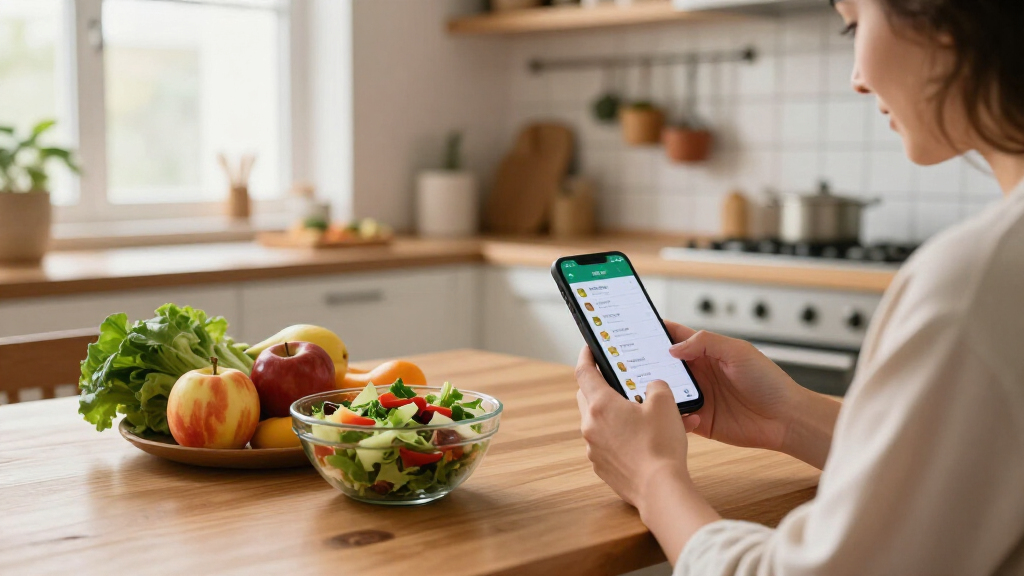

Nutrition tracking apps and food journals only work if you actually stick with them, so the real question is which format fits your habits: a digital app with barcode scanning and automatic math, or a paper log book that forces mindful reflection. Nutrition Tracker takes the top spot for its balanced mix of logging speed, macro breakdowns, and goal flexibility, while EasyFit Calorie Counter stands out for beginners who want a simple entry point without a learning curve. On the analog side, The Macro Nutrition Tracker earns praise for its structured daily pages that cover food, water, and macronutrients in one place. The main tradeoffs in this category come down to convenience versus consistency, subscription cost versus one-time purchase, and data depth versus daily usability. Keep reading for the full breakdown of all 11 options and which one matches your goals.

Get health and wellness essentials delivered free — and shop member deals
- Fast, free delivery on millions of items
- Access to Prime Big Deal Days deals on October 6–7
- Prime Video, Amazon Music and more included
Key Takeaways
- Digital apps (Nutrition Tracker, EasyFit, Calorie Counter) won on logging speed and automatic macro math, but paper log books consistently beat them for habit-building and mindfulness.
- The two Nutrition Log Book & Macro Tracker Food Journal entries were nearly identical in structure; only page count and layout density separated them, which matters for buyers comparing them side by side.
- Beginner-friendly options like EasyFit Calorie Counter sacrifice micronutrient detail for simplicity — a fair trade if you’ve never tracked before, frustrating if you’re an experienced macro counter.
- The best all-in-one journals combined food, fitness, and wellness tracking in a single spread, eliminating the need for a second notebook or app.
- None of the paper options handle restaurant meals or portion estimation well; if you eat out often, a digital app with a food database is the smarter choice.
| Nutrition Tracker |  | Best for Habit-Building Beginners | Type: Nutrition monitoring tool | Core Function: Daily food logging and dietary analysis | Tracking Focus: Overall nutritional intake and habits | VIEW LATEST PRICE | See Our Full Breakdown |
| Nutrition Log Book for Daily Food Tracking, Calories, Macros & Healthy Eating Goals |  | Best for Structured Goal-Setters | Format: Physical log book | Tracking Fields: Food, calories, macros | Goal Features: Healthy eating goal sections | VIEW LATEST PRICE | See Our Full Breakdown |
| The Nutrition Log Book – Track Daily Nutrition and Macro Intake |  | Best Portable Pick | Format: Compact physical log book | Size: Pocket / travel-friendly | Tracking Fields: Calories, macros, daily food intake | VIEW LATEST PRICE | See Our Full Breakdown |
| Nutrition Log Book & Macro Tracker Food Journal |  | Best for Weight Loss Focus | Format: Physical food journal | Tracking Fields: Food, macros, calories | Primary Focus: Weight loss and diet management | VIEW LATEST PRICE | See Our Full Breakdown |
| Nutrition Log Book & Macro Tracker Food Journal |  | Best for Micronutrient Detail | Format: Physical food journal | Tracking Fields: Carbs, calories, fats, proteins, sugars, sodium, fiber | Nutrient Coverage: Macros plus key micronutrients | VIEW LATEST PRICE | See Our Full Breakdown |
| Nutrition Log Book: Daily Food, Fitness & Wellness Journal for Tracking Calories, Macros & Healthy Habits |  | Best Analog All-in-One | Format: Physical journal (paper) | Tracking categories: Food, calories, macros, fitness, wellness habits | Subscription required: No | VIEW LATEST PRICE | See Our Full Breakdown |
| EasyFit Calorie Counter |  | Best Minimalist Option | Format: Digital app | Primary tracking: Daily calorie intake | Macro tracking: Not included | VIEW LATEST PRICE | See Our Full Breakdown |
| Nutrition Log Book: Health Monitoring Record for Nutritional Balance and Healthy Living |  | Best for Micronutrient Awareness | Format: Physical journal (paper) | Tracking categories: Calories, carbs, protein, fat, sodium, fiber, sugar | Subscription required: No | VIEW LATEST PRICE | See Our Full Breakdown |
| Calorie Counter – Lose Weight by Tracking Calories and Exercise |  | Best for Weight Loss Guidance | Format: Digital app | Primary tracking: Calories and exercise | Personalization: Personalized calorie and exercise recommendations | VIEW LATEST PRICE | See Our Full Breakdown |
| The Macro Nutrition Tracker: Log Your Daily Food and Water Intake, Track Macronutrients and Count Calories for Diet and Weight Loss |  | Best for Macro-Focused Dieters | Format: Physical journal (paper) | Tracking categories: Macros, calories, food intake, water, potassium | Diet suitability: Keto, low-carb, high-protein, weight loss | VIEW LATEST PRICE | See Our Full Breakdown |
| Calorie Counter |  | Best Bare-Bones Starter Pick | Format: Physical calorie log book / journal | Primary Tracking: Daily calorie intake | Secondary Tracking: Basic diet and weight management notes | VIEW LATEST PRICE | See Our Full Breakdown |
| nutrition tracking app | Format |
|---|---|
| Nutrition Tracker | — |
| Nutrition Log Book for Daily F | Physical log book |
| The Nutrition Log Book | Compact physical log book |
| Nutrition Log Book & Macro Tra | Physical food journal |
| Nutrition Log Book & Macro Tra | Physical food journal |
| Nutrition Log Book: Daily Food | Physical journal (paper) |
| EasyFit Calorie Counter | Digital app |
| Nutrition Log Book: Health Mon | Physical journal (paper) |
| Calorie Counter | Digital app |
| The Macro Nutrition Tracker: L | Physical journal (paper) |
| Calorie Counter | Physical calorie log book / journal |
More Details on Our Top Picks
Nutrition Tracker
Nutrition Tracker earns a spot here as the simplest entry point for anyone who has never logged a meal before. Where the Nutrition Log Book for Daily Food Tracking asks you to count macros from day one, this option keeps the focus on building a daily logging habit and reflecting on dietary patterns rather than hitting precise numbers. That lower barrier matters — most people abandon nutrition tracking within weeks because the workload feels punishing, and a gentler format helps the routine stick.
The tradeoff is real, though. There is no detailed nutritional analysis, so if you eventually want to fine-tune protein or fiber intake, you will outgrow this and need something structured like the Macro Tracker Food Journal (B0D2VX1L24). Pricing and rating information is also thin, which makes it harder to judge value against the paper journals in this lineup.
Pros:- Lowest barrier to entry in the lineup
- Encourages reflection on eating habits, not just numbers
- Simple interface that won’t overwhelm first-time loggers
- Supports gradual transition toward healthier routines
Cons:- No detailed nutritional analysis or macro breakdown
- Very little published specification or pricing information
Best for: Complete beginners who want to build a consistent daily food-logging habit without the pressure of counting precise macros
Not ideal for: Data-driven dieters tracking specific macro targets — it lacks the structured fields and nutrient breakdown that dedicated journals provide
- Type:Nutrition monitoring tool
- Core Function:Daily food logging and dietary analysis
- Tracking Focus:Overall nutritional intake and habits
- Macro Tracking:Basic; not detailed
- Best Use Case:Beginner habit building
- Skill Level:Entry level
Our verdict“Pick this only if your goal is habit formation rather than precise dietary data — serious macro trackers should look elsewhere in this roundup.”
Nutrition Log Book for Daily Food Tracking, Calories, Macros & Healthy Eating Goals
Among the paper options in this roundup, this log book stands out for goal orientation. It pairs daily food, calorie, and macro logging with dedicated sections for healthy eating goals and meal planning, which is something the simpler Nutrition Tracker (B00D0QYDFY) doesn’t attempt at all. For buyers whose motivation comes from seeing weekly targets written down and worked toward, that structure translates into better adherence than blank-page logging.
Compared with the Macro Tracker Food Journal (B0D2VX1L24), the two overlap heavily, but this one leans more toward planning while that one leans toward weight-loss tracking. The compromise is that neither offers detailed nutritional analysis — you’ll need to source calorie and macro values yourself — and the space for notes and extra context is tight, which frustrates anyone who likes to record context like mood or hunger levels.
Pros:- Combines daily tracking with explicit goal-setting sections
- Includes meal planning support
- Covers calories and macros in one place
- Straightforward layout that rewards consistency
Cons:- No detailed nutritional analysis included
- Limited space for notes or additional context
Best for: Goal-driven dieters who want a written framework combining daily macro logs with explicit healthy-eating targets and meal planning
Not ideal for: People who dislike manual lookups — it provides no nutritional data, so you must calculate calories and macros on your own
- Format:Physical log book
- Tracking Fields:Food, calories, macros
- Goal Features:Healthy eating goal sections
- Meal Planning:Included
- Nutritional Data Provided:No — user sourced
- Notes Space:Limited
Our verdict“This is the pick for planners — if writing down goals drives your consistency, this format beats the looser Nutrition Tracker.”
The Nutrition Log Book – Track Daily Nutrition and Macro Intake
Portability is the whole story here. This compact log book fits in a bag or large pocket, which makes it the only option in this batch you can genuinely carry to restaurants, the office gym, or while traveling. The Nutrition Log Book for Daily Food Tracking (B0HC45VXSR) offers more planning structure, but a journal left at home because it’s cumbersome does you no good — and that’s exactly the gap this pocket-sized format fills for on-the-go logging.
The flip side is that compact size means compact pages, so entries stay terse and there’s no room for elaborate meal planning or reflection. It also has no digital features or app integration, and like every paper option here, it won’t calculate anything for you. Buyers who log most meals at home and want richer layouts should choose a full-size journal instead.
Pros:- Genuinely pocket-sized and travel-friendly
- Effective for calorie and macro monitoring
- Doubles as a portable meal planning tool
- Lower friction to log meals in the moment
Cons:- Compact pages limit detail and planning space
- No digital features or app integration
Best for: Commuters, travelers, and restaurant-goers who need to log meals away from home and want something always within reach
Not ideal for: Home-based planners who want generous page space — the pocket format trades layout room for portability
- Format:Compact physical log book
- Size:Pocket / travel-friendly
- Tracking Fields:Calories, macros, daily food intake
- Portability:High
- Digital Integration:None
- Best Use Case:On-the-go meal logging
Our verdict“If you eat out often and need to log in the moment, this is the most practical paper option in the roundup — home planners should size up.”
Nutrition Log Book & Macro Tracker Food Journal
This journal is built squarely around weight loss as the outcome, framing daily macro and calorie logging as a calorie-counting system rather than a general wellness record. Compared with the Nutrition Log Book for Daily Food Tracking (B0HC45VXSR), which balances goals and planning more evenly, this one is better suited to someone running a calorie deficit who wants every entry tied back to that single objective. The dual meal-planner and calorie-counter format keeps daily decisions connected to weekly progress.
The weaknesses are transparency problems: there’s no published size or page count, so you’re buying somewhat blind on how long the journal lasts or how portable it is — a real issue next to the clearly pocket-sized Nutrition Log Book (B0CFD1RZF4). And like the other paper picks, it provides no reference data, so all calculations remain manual.
Pros:- Purpose-built for weight loss tracking
- Combines meal planner and calorie counter roles
- Covers daily macros and calories together
- Reinforces consistency through a deficit-focused structure
Cons:- No size or page count information available
- Lacks additional features beyond basic logging
Best for: Dieters actively pursuing weight loss who want every logged meal tied to a calorie-deficit system with meal planning built in
Not ideal for: Buyers who want to compare physical details before purchasing — missing size and page count information makes value hard to judge
- Format:Physical food journal
- Tracking Fields:Food, macros, calories
- Primary Focus:Weight loss and diet management
- Meal Planning:Included
- Size / Page Count:Not specified
- Nutritional Data Provided:No — user sourced
Our verdict“Choose this over the goal-oriented B0HC45VXSR if weight loss is your one priority; skip it if you need clarity on physical format first.”
Nutrition Log Book & Macro Tracker Food Journal
Despite sharing a name with the Macro Tracker Food Journal (B0D2VX1L24), this version tracks a much wider nutrient set: carbs, calories, fats, proteins, sugars, sodium, and fiber all get their own fields. That distinction matters for specific buyer groups — anyone monitoring sodium for blood pressure or sugar for prediabetes gets visibility here that no other paper pick in this batch provides. Where most journals in this roundup stop at macros, this one pushes into micronutrient-level discipline.
The tradeoff is that the extra columns come at the cost of guidance. There are no meal planning pages or prompts, unlike the B0HC45VXSR log book, so it suits experienced trackers who already know their targets and just need the grid. Beginners will find it bare, and specifications are sparse, which makes comparison shopping harder.
Pros:- Tracks seven nutrient categories including sugars, sodium, and fiber
- Builds dietary discipline through detailed daily logging
- Simple, easy-to-follow daily log format
- Only paper option here covering micronutrients
Cons:- No meal planning pages or motivational prompts
- Sparse published specifications
Best for: Experienced trackers with medical or performance reasons to monitor sodium, sugar, and fiber — not just macros
Not ideal for: Beginners who need prompts, meal planning pages, or guidance — this is a bare tracking grid with no structure
- Format:Physical food journal
- Tracking Fields:Carbs, calories, fats, proteins, sugars, sodium, fiber
- Nutrient Coverage:Macros plus key micronutrients
- Meal Planning:Not included
- Prompts / Guidance:None
- Best Use Case:Detailed nutrient-specific monitoring
Our verdict“If your doctor or coach cares about sodium and fiber — not just calories — this is the paper pick that actually captures it; everyone else can use a simpler journal.”
Nutrition Log Book: Daily Food, Fitness & Wellness Journal for Tracking Calories, Macros & Healthy Habits
For buyers who want one place to capture food, fitness, and wellness habits, this journal casts the widest net in the lineup. Where The Macro Nutrition Tracker narrows in on macros and water, this option adds workout logging and habit-building prompts, which makes it feel closer to a lifestyle planner than a pure food diary. That breadth is also the tradeoff: compared with a digital tool like Calorie Counter – Lose Weight by Tracking Calories and Exercise, you lose automatic math and barcode convenience, and the paper format demands real discipline to keep filling in. The screen-free format is the point, though — no subscriptions, no ads, no phone dependency.
Pros:- Combines food, fitness, and wellness tracking in one book
- Encourages goal setting and habit formation, not just logging
- No subscription, ads, or device required
- Paper format suits people distracted by phone-based apps
Cons:- All calorie and macro math must be done manually
- No searchable food database or nutritional lookup
- Limited published details on page count and layout
Best for: People who already journal or plan on paper and want nutrition, workouts, and habits in a single offline notebook
Not ideal for: Anyone who needs automatic calorie or macro calculations — every number here is hand-computed
- Format:Physical journal (paper)
- Tracking categories:Food, calories, macros, fitness, wellness habits
- Subscription required:No
- Nutritional database:None — manual entry
- Device compatibility:None needed
- Goal-setting features:Included
Our verdict“Pick this if you want a single screen-free notebook covering food, workouts, and habits and don’t mind doing the arithmetic yourself.”
EasyFit Calorie Counter
EasyFit strips nutrition tracking down to calories in, calories out, and that restraint is its appeal. Next to the Nutrition Log Book: Daily Food, Fitness & Wellness Journal, which asks you to record macros, meals, and habits, EasyFit asks very little — log what you ate, see the total, move on. That low friction is genuinely valuable for beginners who abandon complicated systems within a week. The flip side is shallow data: there is no macro or micronutrient breakdown, so lifters chasing protein targets or anyone monitoring sodium — something the Nutrition Log Book: Health Monitoring Record handles on paper — will outgrow it fast.
Pros:- Extremely simple, low-friction interface
- Quick daily calorie logging with minimal setup
- Less overwhelming than full-featured trackers for newcomers
- Free to start with no journaling discipline required
Cons:- No detailed nutritional analysis of macros or micronutrients
- Feature set is thin compared with advanced apps
- Limited long-term value once goals get more specific
Best for: Beginners or busy users who only want a simple daily calorie total without learning a complex system
Not ideal for: Macro-focused athletes or anyone managing specific nutrients beyond calories
- Format:Digital app
- Primary tracking:Daily calorie intake
- Macro tracking:Not included
- Interface:Simple, streamlined
- Subscription required:No
- Exercise tracking:Basic or limited
Our verdict“This is the right choice if you want the simplest possible calorie tally and nothing more — skip it once your goals extend past calories.”
Nutrition Log Book: Health Monitoring Record for Nutritional Balance and Healthy Living
Most trackers in this roundup stop at calories and macros; this log book goes further, with dedicated space for sodium, fiber, sugar, and fat alongside the usual protein and carbs. That makes it the standout pick for anyone managing blood pressure, diabetes risk, or doctor-requested dietary changes — concerns that the Macro Nutrition Tracker, with its macro-and-water focus, doesn’t really address. Compared with EasyFit Calorie Counter, the depth gap is even starker: EasyFit counts calories, while this book asks you to look at the full nutritional picture. The cost is effort — you’ll need to read labels and estimate values yourself, and the manual workload is heavier than any digital option here.
Pros:- Tracks micronutrients like sodium, fiber, and sugar, not just calories
- Supports medically motivated dietary monitoring
- Creates a shareable written record for doctors or dietitians
- No app, account, or subscription needed
Cons:- Requires reading nutrition labels and estimating values manually
- No searchable database to speed up logging
- Sparse product details on size and page layout
Best for: People monitoring sodium, sugar, or fiber for medical or health-balancing reasons who prefer a written record
Not ideal for: Casual users who just want a rough calorie estimate without daily label-reading effort
- Format:Physical journal (paper)
- Tracking categories:Calories, carbs, protein, fat, sodium, fiber, sugar
- Subscription required:No
- Nutritional database:None — manual entry
- Medical-tracking suitability:Suited to sodium/sugar/fiber monitoring
- Device compatibility:None needed
Our verdict“Choose this if your health goals depend on tracking sodium, sugar, or fiber and you’re willing to do the label math by hand.”
Calorie Counter – Lose Weight by Tracking Calories and Exercise
Among the digital options here, this app is the one built around a specific outcome — weight loss — rather than general logging. It pairs calorie and exercise tracking with personalized recommendations, which none of the paper journals can offer; your notebook can’t suggest a calorie target, but this can. Compared with EasyFit Calorie Counter, it’s more ambitious on paper, though the gap narrows in practice because the fuller experience sits behind a premium paywall, and meal logging is entirely manual — no barcode scanning shortcuts. If you want guided goal-setting for a defined weight-loss push, it’s the stronger digital pick; if you want free and frictionless, EasyFit wins.
Pros:- Personalized calorie targets and exercise recommendations
- Combines diet and activity tracking in one place
- More goal-oriented than basic counters like EasyFit
- Approachable interface for weight-loss beginners
Cons:- Best features locked behind a premium upgrade
- Manual meal and activity entry gets tedious over time
- Weight-loss focus leaves macro detail thinner than dedicated trackers
Best for: Dieters starting a focused weight-loss effort who want calorie targets and exercise plans suggested for them
Not ideal for: Users unwilling to pay for premium or to manually enter every meal
- Format:Digital app
- Primary tracking:Calories and exercise
- Personalization:Personalized calorie and exercise recommendations
- Meal entry:Manual input
- Premium upgrade:Required for full features
- Subscription required:Optional premium tier
Our verdict“This makes the most sense for someone actively losing weight who wants suggested targets and doesn’t mind manual entry or a paid tier.”
The Macro Nutrition Tracker: Log Your Daily Food and Water Intake, Track Macronutrients and Count Calories for Diet and Weight Loss
This journal is built for one audience: people who care about protein, carbs, and fat ratios first and calories second. Compared with the Nutrition Log Book: Daily Food, Fitness & Wellness Journal, it trades breadth for focus — no workout pages or habit prompts, but cleaner daily spreads for macros, calories, and hydration. The inclusion of water and potassium tracking also gives it a practical edge for keto, low-carb, or electrolyte-conscious dieters that the Calorie Counter app doesn’t match. The tradeoff is familiar to every paper option here: you supply every number yourself, and unlike a digital app, there’s no history, charts, or automatic totals to review.
Pros:- Dedicated macro tracking with calorie counting in one spread
- Includes water and potassium tracking for electrolyte-focused diets
- Portable format works anywhere without a phone
- Simple layout that’s faster to fill in than broader wellness journals
Cons:- All macro values must be calculated and entered by hand
- No digital history, charts, or trend analysis
- Very limited information available on extra features or page count
Best for: Macro-counting dieters — keto, high-protein, or cutting phases — who want a portable written log
Not ideal for: Data-driven users who want charts, trends, and automatic totals from an app
- Format:Physical journal (paper)
- Tracking categories:Macros, calories, food intake, water, potassium
- Diet suitability:Keto, low-carb, high-protein, weight loss
- Subscription required:No
- Nutritional database:None — manual entry
- Portability:High — pocket-to-bag sized journal
Our verdict“If your diet lives and dies by macro ratios and hydration, this focused journal beats the broader alternatives — as long as you’re happy doing the math yourself.”
Calorie Counter
This option occupies the simplest corner of the lineup, and that’s its whole pitch. Where The Nutrition Log Book – Track Daily Nutrition and Macro Intake asks you to log macros, water, and habits, this one keeps the scope narrow: calories in, calories out, done. That restraint makes it a sensible on-ramp for someone who has never tracked a meal before and would abandon a denser journal within a week. Compared with EasyFit Calorie Counter, which leans on app-based convenience, this format works without screens, subscriptions, or battery anxiety — a real advantage for anyone who already spends too much time on a phone.
The tradeoff is a real one. It lacks the macro breakdown and goal-setting structure that dedicated log books in this roundup provide, so lifters or anyone managing protein targets will outgrow it quickly. Think of it as training wheels rather than a long-term system.
Pros:- Simple, focused format that makes daily tracking easy to sustain
- User-friendly layout with almost no learning curve
- Screen-free and subscription-free — no app account or battery needed
- Directly supports calorie-deficit weight loss goals
Cons:- No macronutrient tracking, so it can’t support muscle-building or balanced-diet goals
- Minimal structure for goal setting or progress review compared with fuller log books
Best for: Complete beginners who want the lowest-friction way to build a daily calorie-tracking habit before committing to a fuller journal
Not ideal for: Anyone tracking macros, protein targets, or fitness performance — the log lacks the structure those goals require
- Format:Physical calorie log book / journal
- Primary Tracking:Daily calorie intake
- Secondary Tracking:Basic diet and weight management notes
- Macro Tracking:Not included
- Learning Curve:Minimal — beginner friendly
- Best Use Period:Short-term habit building and weight loss phases
Our verdict“Choose this if you want the easiest possible entry into calorie tracking, but pick a macro-focused log book if your goals go beyond a simple deficit.”
How We Picked
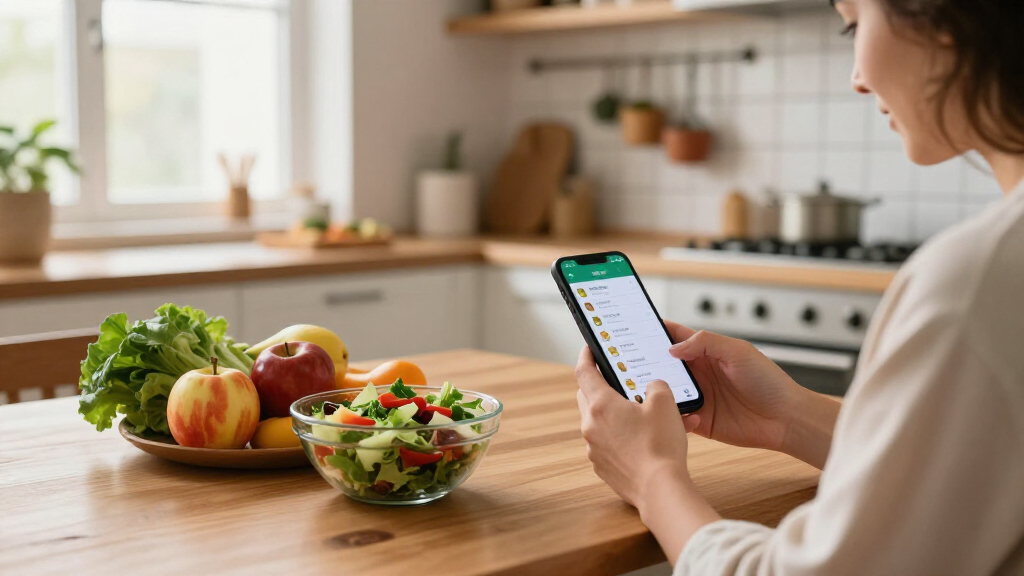
I evaluated each option against four buyer-focused criteria: ease of daily use, tracking depth (calories, macros, water, habits), durability of the habit itself (would someone still log on day 30?), and value for money given whether the product is a one-time purchase or recurring subscription. For apps, I looked at food database size, scanning speed, and how much friction stands between opening the app and finishing a log entry. For log books, I compared page layouts, page counts, binding quality, and whether the daily prompts actually guide better decisions or just leave blank boxes.
The ranking logic favors versatility at the top — options that serve the widest range of goals (weight loss, muscle gain, general health) ranked higher than single-purpose tools. Simple options ranked well for beginners even when they lacked depth, because a tool someone abandons on day four scores zero regardless of its features. Where two products were near-duplicates, I ranked the one with the better layout and more usable page count higher and flagged the differences so buyers can choose with confidence.
| nutrition tracking app | Format |
|---|---|
| Nutrition Tracker | — |
| Nutrition Log Book for Daily F | Physical log book |
| The Nutrition Log Book | Compact physical log book |
| Nutrition Log Book & Macro Tra | Physical food journal |
| Nutrition Log Book & Macro Tra | Physical food journal |
| Nutrition Log Book: Daily Food | Physical journal (paper) |
| EasyFit Calorie Counter | Digital app |
| Nutrition Log Book: Health Mon | Physical journal (paper) |
| Calorie Counter | Digital app |
| The Macro Nutrition Tracker: L | Physical journal (paper) |
| Calorie Counter | Physical calorie log book / journal |
Factors to Consider When Choosing Nutrition Tracking Apps
Before picking a nutrition tracker, it helps to understand the broader tradeoffs in this category — the biggest one being that the most feature-rich option is rarely the one people stick with. These are the factors I’d weigh before buying.Digital App or Paper Journal?
This is the single biggest decision, and it shapes everything else. Apps win on speed and accuracy: they look up foods for you, calculate macros instantly, and sync across devices. Paper journals win on consistency and awareness — the physical act of writing slows you down and makes you think about what you ate, which is why many dietitians still recommend them for emotional eaters. A common mistake is assuming an app will fix a motivation problem; if you’ve abandoned three apps already, the format may be the issue, not the tool. Many people actually run both: an app for daily numbers, a journal for weekly reflection. Decide which failure mode you’re more prone to — forgetting to log or losing interest — and choose accordingly.
What You Actually Need to Track
Calories alone are enough for basic weight management, but macronutrient tracking (protein, carbs, fat) matters if you’re building muscle, managing blood sugar, or following a specific diet like keto. Water and habit tracking add value for general wellness but pad the page count in journals that don’t need it. Be honest about your goals: buying a dense macro-focused tracker when you only want portion awareness creates unnecessary work, and that extra work is exactly what kills habits. On the flip side, cheap calorie-only tools become obsolete the moment your goals get serious. Match the tracking depth to a goal you’ll still have in six months.
Total Cost Over Time
A paper log book is a one-time purchase that typically lasts 90 days to a year depending on page count — budget for replacements. Apps often look free but gate their best features (macro targets, deeper analytics, unlimited logging) behind subscriptions that can quietly exceed $50 a year. Do the math on a two-year horizon: three replacement journals may still cost less than one annual app subscription, while a free app tier may cover everything a casual tracker needs. The mistake to avoid is paying premium prices for analytics you’ll never open. If you only log breakfast and dinner, the fancy dashboard is decoration.
Layout and Logging Friction
For journals, page layout determines whether you’ll still be filling it in after week two. Look for one-day-per-page spreads with pre-printed sections rather than blank grids you have to design yourself — the structure does half the motivational work. Overly cramped pages feel punishing; overly sparse ones invite skipping fields. For apps, count the taps required to log a typical meal. Every extra screen is a place where the habit dies. This is also why near-duplicate products in this roundup rank differently: the one with clearer headings and more generous writing space simply gets used more.
Your Eating Patterns
If you cook most meals at home from recognizable ingredients, both formats work fine, and a journal is often enough. If you eat out frequently or rely on packaged foods, a digital app with a searchable food database becomes almost mandatory — estimating restaurant calories by hand is guesswork that compounds into meaningless data. Frequent travelers should also weigh portability: a slim journal fits in a bag, but so does a phone, and the phone doesn’t run out of pages. Hybrid eaters get the best results from an app and use paper only for planning and reflection.
Accountability Features
Some people are self-driven; others need external structure. Apps offer streaks, reminders, and progress charts that gamify consistency, which works well for competitive personalities. Journals offer a different kind of accountability — a visible, physical record you can flip through with a coach, dietitian, or accountability partner. Neither is objectively better, but knowing which motivates you prevents a wasted purchase. If you’ve never successfully tracked for more than a month, prioritize the option with the strongest built-in accountability rather than the richest data.
Frequently Asked Questions
Is a paper nutrition journal as effective as a tracking app?
For many people, yes — and sometimes more so. Research on food logging consistently shows that the act of recording what you eat drives behavior change, regardless of whether it happens on paper or a screen. Journals remove the friction of searching databases, working offline, and never needing a charge, and the slower pace of handwriting increases mindfulness about portions. Apps pull ahead when you need precise numbers, eat a lot of packaged or restaurant foods, or want automatic macro math. The honest answer is that effectiveness depends on which format you’ll still be using in month three, not on features.
How long does a nutrition log book typically last?
Most daily-format log books run 90 to 180 pages, which translates to roughly three to six months of daily entries. Journals that combine daily pages with weekly review spreads may stretch longer if you skip the review sections, while dense multi-metric books fill up faster because each day needs more space. Before buying, check the page count and divide by your expected logging frequency — a 90-day book replaced twice a year is still usually cheaper than an app subscription. Also check the binding: spiral bindings lie flat and survive daily use better than glued spines.
Do I need macro tracking, or are calories enough?
Calories alone determine weight change, so if your only goal is losing or gaining weight, calorie tracking covers it. Macros matter when body composition, performance, or specific diets enter the picture — adequate protein protects muscle during weight loss, and low-carb approaches are impossible to follow without carb counts. If you’re unsure, start with calories for two to four weeks; the data will tell you whether you need more detail. Buying a macro-heavy tracker before you’ve built the basic habit is one of the most common ways people overload themselves and quit.
Are the free versions of calorie counter apps good enough?
For casual tracking, often yes — free tiers typically cover food lookup, basic calorie goals, and daily logging. The paywalls usually sit over macro targets, deeper analytics, barcode scanning limits, and custom goal setting, which matter to serious trackers but not to someone establishing a baseline habit. The risk is hitting a paywall mid-strategy, like when you set a protein goal and the app locks it behind premium. If you already know you’ll want macro control, paying upfront saves frustration; if you’re testing whether tracking works for you at all, the free tier is the right starting point.
Can I use a journal and an app together?
Not only can you — it’s one of the most effective setups I’ve seen in this category. Use the app for what it does best: instant calorie and macro numbers from a food database. Use the journal for what apps do poorly: meal planning, hunger and mood notes, and weekly reflection on what worked. This combination costs little more than either alone, since a basic journal is a one-time purchase. The main caution is double-entry burnout — log numbers in the app, but reserve the journal for thinking, not transcription, or you’ll double your workload for no added insight.
Conclusion
After comparing all 11 options, the right choice depends less on features and more on the kind of tracker you are. For best overall, Nutrition Tracker delivers the strongest balance of speed, macro depth, and goal flexibility for the widest range of users. For best value, The Nutrition Log Book – Track Daily Nutrition and Macro Intake offers a full tracking system for the price of one app month. For beginners, EasyFit Calorie Counter keeps the learning curve nearly flat so the habit forms before the complexity arrives. For the premium all-in-one experience, Nutrition Log Book: Daily Food, Fitness & Wellness Journal consolidates food, fitness, and habits into a single well-structured spread. And for weight loss specifically, Calorie Counter – Lose Weight by Tracking Calories and Exercise pairs intake tracking with exercise logging in a focused package. Whatever you choose, pick the format you’ll still open next month — that, more than any feature list, is what determines results.
Fall Picks
fall essentials
As an affiliate, we earn on qualifying purchases.