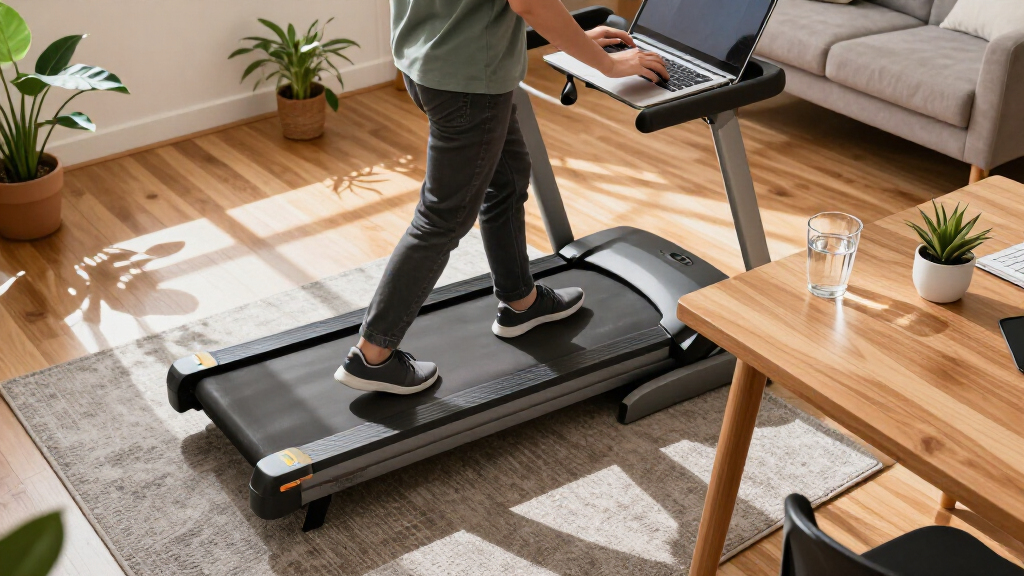
For most homes, I’d start with the Foldable Walking Pad Treadmill with Handle Bar, which pairs a folding design with a handle for a balanced everyday setup. The TRAILVIBER Walking Pad with 12% Auto Incline stands out for users who want incline adjustments without stopping to change a manual setting, while the Compact Walking Pad Treadmill for Home and Office puts a smaller footprint first. The main tradeoff is between easy storage and a more stable, feature-rich machine: handles and incline can add versatility, but also take up space and may add setup steps. Compare these 15 collapsible walking pads for home to find the right match for your room, routine, and storage needs.

Get health and wellness essentials delivered free with Prime
- Fast, free delivery on millions of items
- Prime Video, Amazon Music and more included
- Member-only deals all year
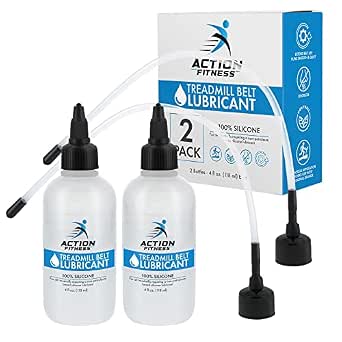
Complete the kit

Key Takeaways
- The overall pick favors balance: the Foldable Walking Pad Treadmill with Handle Bar combines folding storage with a support feature, rather than prioritizing incline or minimal size alone.
- Incline options serve different routines: TRAILVIBER offers 12% automatic incline, while several alternatives use manual incline settings that require adjustment outside the workout.
- Handle design is a major dividing line: detachable, foldable, and adjustable bars can make a pad more adaptable, but they may add assembly and storage considerations.
- Compactness does not tell the whole storage story: buyers should compare folded dimensions, machine weight, and whether the pad can be moved easily through their actual home.
- Listed capacity and speed ranges are not interchangeable: the model specifying a 350 lb capacity and 0.6–7.6 MPH range may suit buyers seeking a wider stated use range, but fit and intended walking pace still matter.
| Foldable Walking Pad Treadmill with Handle Bar |  | Best for Flexible Handlebar Use | Speed range: 0.6–4 MPH | Motor power: 440 W | Maximum user weight: 264 lb (120 kg) | VIEW LATEST PRICE | See Our Full Breakdown |
| NEWBULIG Under Desk Walking Pad Treadmill with Remote Control, LED Display, Black |  | Best for Quiet Desk Walking | Maximum speed: 5 km/h | Maximum horsepower: 1.75 hp | Maximum recommended weight: 200 lb | VIEW LATEST PRICE | See Our Full Breakdown |
| Cybergoing T10 Walking Pad Treadmill with Bosch Motor |  | Best for Incline Walking Without a Handlebar | Motor: Bosch motor | Speed range: 0.6–4 MPH | Incline: Fixed 7% manual incline | VIEW LATEST PRICE | See Our Full Breakdown |
| LONTEK 15% Incline Walking Pad Treadmill with Handles |  | Best for Adjustable Manual Incline | Motor: 3.0 HP brushless | Speed range: 0.6–6.2 MPH | Incline levels: Flat, 10%, and 15% | VIEW LATEST PRICE | See Our Full Breakdown |
| Walking Pad Treadmill with Incline and Detachable Handle Bar, 3.0 HP, 0.6–7.6 MPH, 350 lb Capacity |  | Best for the Widest Speed Range | Speed range: 0.6–7.6 MPH | Maximum horsepower: 3 hp | Maximum incline: 5% | VIEW LATEST PRICE | See Our Full Breakdown |
| Vyrqenoxi Foldable Walking Pad Treadmill with Manual Incline |  | Best for Speed Variety in a Compact Fold | Running area: 35 × 14.4 inches | Folded dimensions: 40.5 × 18 × 4.7 inches | Speed range: 0.6–6.2 mph | VIEW LATEST PRICE | See Our Full Breakdown |
| TRAILVIBER Walking Pad Treadmill with 12% Auto Incline |  | Best for Automatic Incline and Higher Capacity | Deck size: 41 × 16.5 inches | Dimensions: 48 × 21 × 6 inches | Weight: 44 lbs | VIEW LATEST PRICE | See Our Full Breakdown |
| Walking Pad Treadmill with Manual Incline and Adjustable Handlebar |  | Best for Quiet Home and Office Walking | Motor: 3.0 HP brushless | Noise level: 45 dB or less | Weight capacity: 300 lbs | VIEW LATEST PRICE | See Our Full Breakdown |
| Terluxra Foldable Walking Pad Treadmill with Handle Bar |  | Best for Straightforward Handlebar Support | Motor: 2.0 HP | Speed range: 0.6–4 mph | Speed modes: Walking: 0.6–1.5 mph; jogging: 1.5–2.5 mph; running: 2.5–4 mph | VIEW LATEST PRICE | See Our Full Breakdown |
| Compact Walking Pad Treadmill for Home and Office |  | Best for Under-Furniture Storage | Motor: 2.5 HP (500+ W) | Speed range: 1–6 km/h | Maximum user weight: 120 kg (264 lbs) | VIEW LATEST PRICE | See Our Full Breakdown |
| Viamotion Walking Pad Treadmill with Incline and Handle Bar |  | Best for Supported Incline Walking | Speed range: 0.6–3.8 mph | Maximum incline: 4 degrees | Maximum horsepower: 2.5 hp | VIEW LATEST PRICE | See Our Full Breakdown |
| Yagud Walking Pad Treadmill with Incline and Handle Bar |  | Best for Compact Everyday Storage | Speed range: 0.6–3.8 mph | Weight capacity: 220 lbs | Dimensions: 47.2 × 19.6 × 4.6 in | VIEW LATEST PRICE | See Our Full Breakdown |
| Elseluck Walking Pad Treadmill with Manual Incline and Handrails |  | Best for Buyers Who Want Handrails and Incline | Motor: 2.5 HP | Speed range: 0.6–3.8 mph | Maximum user weight: 220 lbs in specifications; description states 265 lbs | VIEW LATEST PRICE | See Our Full Breakdown |
| Wilpkracy Walking Pad Treadmill with 5% Manual Incline |  | Best No-Assembly Pick | Maximum incline: 5% | Speed range: 1–6 km/h | Maximum weight recommendation: 120 kg | VIEW LATEST PRICE | See Our Full Breakdown |
| TREAFLOW Walking Pad Treadmill with 8% Incline and Foldable Handlebar |  | Best for Walking and Light Jogging | Speed modes: Walking: 0.5–4 mph; running: 4–6 mph | Maximum incline: 8% | Motor: 2.5 HP | VIEW LATEST PRICE | See Our Full Breakdown |
| collapsible walking pads for home | Speed range | Dimensions | Motor |
|---|---|---|---|
| Foldable Walking Pad Treadmill | 0.6–4 MPH | — | — |
| NEWBULIG Under Desk Walking Pa | — | 42.2 × 19.2 × 3.6 in | — |
| Cybergoing T10 Walking Pad Tre | 0.6–4 MPH | 5.7 × 19.3 × 42.3 in | Bosch motor |
| LONTEK 15% Incline Walking Pad | 0.6–6.2 MPH | 46.9 × 22.6 × 4.4 in | 3.0 HP brushless |
| Walking Pad Treadmill with Inc | 0.6–7.6 MPH | — | — |
| Vyrqenoxi Foldable Walking Pad | 0.6–6.2 mph | — | — |
| TRAILVIBER Walking Pad Treadmi | 0.7–4 mph | 48 × 21 × 6 inches | 2.5 HP |
| Walking Pad Treadmill with Man | 0.6–3.8 mph | 47.2 × 22.4 × 5.5 inches | 3.0 HP brushless |
| Terluxra Foldable Walking Pad | 0.6–4 mph | 40.9 × 19.2 × 4.1 inches | 2.0 HP |
| Compact Walking Pad Treadmill | 1–6 km/h | 109 × 50 × 11 cm | 2.5 HP (500+ W) |
| Viamotion Walking Pad Treadmil | 0.6–3.8 mph | 45.53 × 21.17 × 37.4 in | — |
| Yagud Walking Pad Treadmill wi | 0.6–3.8 mph | 47.2 × 19.6 × 4.6 in | — |
| Elseluck Walking Pad Treadmill | 0.6–3.8 mph | 47.6 × 20.1 × 4.6 in | 2.5 HP |
| Wilpkracy Walking Pad Treadmil | 1–6 km/h | 48.9 × 6.7 × 25.6 in (D × W × H) | — |
| TREAFLOW Walking Pad Treadmill | — | 44 × 21.5 × 37.5 in | 2.5 HP |
More Details on Our Top Picks
Foldable Walking Pad Treadmill with Handle Bar
The main draw here is the choice between a handlebar-supported setup and a flat walking pad, making it more adaptable than the rail-free Cybergoing T10. Its speed range is capped at 4 MPH, so I’d treat it as a walking and light-jogging machine rather than a running treadmill. The 5-layer cushioned belt, remote, and display cover the basics for home or office sessions, while the pause function retains workout data for up to 10 minutes—handy if a work interruption breaks a walk. At 17.5 kg, it is lighter than the LONTEK, but switching to flat mode requires unscrewing the handlebar bolts, not simply folding the bar away. That extra step matters if you expect to change configurations often.
Pros:- Can be used with the handlebar or as a flat walking pad
- Folds to 10.5 cm high and has built-in transport wheels
- Remote and display track time, speed, calories, and distance
- Five-layer non-slip belt is designed for grip and shock absorption
Cons:- Handlebar must be detached with bolts to use the flat configuration
- 4 MPH maximum speed limits it to walking and light jogging
- 90 × 38 cm walking area may feel restrictive for users with a long stride
Best for: Home or office walkers who want a handlebar for some sessions and a flat profile for others, and do not mind removing bolts to switch modes.
Not ideal for: Runners seeking faster speeds or buyers who want to fold the handlebar down quickly without tools.
- Speed range:0.6–4 MPH
- Motor power:440 W
- Maximum user weight:264 lb (120 kg)
- Running area:90 × 38 cm
- Folded dimensions:104 × 48.7 × 10.5 cm
- Weight:17.5 kg
- Display metrics:Time, speed, calories, and distance
- Controls:Remote control; pause function retains data for up to 10 minutes
Our verdict“Choose this if you want two workout configurations in one compact machine and can accept a slower, tool-required switch between them.”
NEWBULIG Under Desk Walking Pad Treadmill with Remote Control, LED Display, Black
For shared rooms or work calls, the NEWBULIG’s stated under-45 dB operation gives it a clear purpose that the other picks do not match as directly. Its dual-use handle design adds flexibility, though the product details do not explain how quickly it changes between handle and flat modes. Compared with the Foldable Walking Pad Treadmill with Handle Bar, it offers a higher listed maximum speed of 5 km/h, but that is still a walking-focused pace, not a running range. The 30 lb frame and transport wheels make moving it around a home relatively manageable. The tradeoff is a 200 lb recommended user limit, lower than the Cybergoing T10 and LONTEK, so heavier users should choose a different model.
Pros:- Stated operating noise is under 45 dB
- LED display tracks time, speed, distance, and calories
- Foldable design and transport wheels support easier storage
- No assembly required
Cons:- 200 lb maximum recommended user weight is lower than several alternatives
- 5 km/h top speed suits walking rather than jogging
- Details do not specify how the handle converts or folds for under-desk use
Best for: Remote workers and apartment dwellers who want a compact walking pad for low-intensity desk use and prioritize a stated low noise level.
Not ideal for: Users above the 200 lb recommended limit or anyone wanting jogging speeds, a larger capacity, or detailed handle-folding instructions.
- Maximum speed:5 km/h
- Maximum horsepower:1.75 hp
- Maximum recommended weight:200 lb
- Dimensions:42.2 × 19.2 × 3.6 in
- Item weight:30 lb
- Noise level:Under 45 dB
- Display:LED; time, speed, distance, and calories
- Included components:Power cord, remote control, safety key, tool kit, and user manual
Our verdict“Pick the NEWBULIG for quiet, light desk walking if its 200 lb user limit and walking-only pace fit your needs.”
Cybergoing T10 Walking Pad Treadmill with Bosch Motor
The T10 is the specialist pick for walkers who want more effort from a rail-free, under-desk-friendly design. Its fixed 7% incline adds a steady uphill challenge, unlike the flat-first NEWBULIG, but that incline is set manually and cannot be adjusted during a session. The 300 lb capacity also exceeds the NEWBULIG’s 200 lb recommendation, while the 0.6–4 MPH range keeps this firmly in walking territory. App and remote controls offer two ways to adjust speed, and the Bosch motor is a named component rather than an unspecified motor. The compromise is the absence of handrails: this is less suited to people who want support while walking. Its 15 × 36 in belt is also shorter than the LONTEK’s running surface.
Pros:- Fixed 7% incline adds intensity without requiring a large treadmill frame
- 300 lb maximum capacity is higher than the NEWBULIG’s recommendation
- App and remote controls provide two speed-control options
- Compact, 36.4 lb design is suited to home and under-desk use
Cons:- No handrails for balance or support
- Incline must be set manually before walking
- 4 MPH maximum speed and 15 × 36 in belt limit faster or longer-stride use
Best for: Confident walkers who want a compact under-desk pad with a fixed uphill workload and do not need handrails.
Not ideal for: New walkers who rely on rails for balance, users who want to vary incline mid-session, or people needing a longer belt.
- Motor:Bosch motor
- Speed range:0.6–4 MPH
- Incline:Fixed 7% manual incline
- Maximum weight capacity:300 lb
- Belt size:15 × 36 in
- Dimensions:5.7 × 19.3 × 42.3 in
- Item weight:36.4 lb
- Connectivity:Bluetooth
Our verdict“Choose the T10 for compact incline walking if you are comfortable exercising without rails and can live with a fixed incline.”
LONTEK 15% Incline Walking Pad Treadmill with Handles
The LONTEK gives home walkers more control over terrain than the Cybergoing T10: its flat, 10%, and 15% manual incline options let you choose the challenge before a workout. It also has the broadest stated speed range in this group apart from the 7.6 MPH handlebar model, reaching 6.2 MPH for walking or light jogging. A 350 lb capacity makes it a stronger fit for users who exceed the NEWBULIG’s limit. Its brushless motor is listed below 45 dB, and the pad can be stored under furniture or upright against a wall. The tradeoffs are a narrow 15-inch running surface and manual incline changes; this is not the pick for frequent terrain adjustments or users who need a wider belt.
Pros:- Three manual incline settings: flat, 10%, and 15%
- 350 lb weight capacity exceeds the Cybergoing T10 and NEWBULIG limits
- 6.2 MPH maximum speed supports walking and light jogging
- Listed below 45 dB with under-furniture or upright storage options
Cons:- Incline changes require a manual adjustment
- 15-inch running surface is relatively narrow
- At 45 lb, it is heavier than the NEWBULIG and Cybergoing T10
Best for: Walkers who want selectable uphill intensity, a higher user capacity, and the option of light jogging in a stowable format.
Not ideal for: Buyers who need a wide running deck or want incline changes to happen electronically during a workout.
- Motor:3.0 HP brushless
- Speed range:0.6–6.2 MPH
- Incline levels:Flat, 10%, and 15%
- Weight capacity:350 lb
- Dimensions:46.9 × 22.6 × 4.4 in
- Item weight:45 lb
- Running surface:37.4 × 15 in
- Noise level:Below 45 dB
Our verdict“Choose the LONTEK if you want meaningful manual incline choices and higher capacity, and can accept a narrow belt and hands-on adjustments.”
Walking Pad Treadmill with Incline and Detachable Handle Bar, 3.0 HP, 0.6–7.6 MPH, 350 lb Capacity
This model stands apart from the other four with a listed 7.6 MPH maximum speed, giving it more headroom for faster workouts than the 4 MPH Foldable Walking Pad or Cybergoing T10. The detachable handlebar supports both supported exercise and a flatter under-furniture setup, while the 350 lb capacity matches the LONTEK. Its 5% maximum incline is lower than the LONTEK’s 15% setting and the T10’s fixed 7%, so I’d choose it for speed flexibility rather than steep uphill walking. The supplied dimensions describe a 41.34 × 18.5 in deck, with a 3.94-inch folded profile. However, the incline adjustment method is not specified, and the 41.33-inch body length leaves less deck length than the LONTEK’s 46.9-inch frame.
Pros:- 7.6 MPH maximum speed offers more pace range than the other walking-focused models here
- Detachable handlebar allows a supported or flatter setup
- 350 lb maximum capacity matches the LONTEK
- Folds to a 3.94-inch profile and includes wheels for moving and storage
Cons:- Maximum incline is listed as 5%, with adjustment details unspecified
- Deck length of 41.34 inches is shorter than the LONTEK’s 37.4-inch running surface only if comparing stated surfaces carefully; listed deck length is 41.34 inches, while the LONTEK running surface is 37.4 inches
- The 41.33 × 18.34 × 37.25 in dimensions do not clearly identify which measurement applies when folded
Best for: Home users who want one compact machine for walking and faster sessions, plus a detachable handlebar and a high stated weight capacity.
Not ideal for: Buyers who prioritize steep incline work, need clear instructions on incline adjustment, or want a longer walking surface.
- Speed range:0.6–7.6 MPH
- Maximum horsepower:3 hp
- Maximum incline:5%
- Maximum weight capacity:350 lb
- Deck dimensions:41.34 × 18.5 in
- Folded dimensions:41.34 × 18.5 × 3.94 in
- Weight:32.1 lb
- Display and metrics:LED; calories, distance, speed, and time
Our verdict“Pick this model if speed range matters more than steep incline, but verify the incline setup and folded measurements before choosing it for a tight storage spot.”
Vyrqenoxi Foldable Walking Pad Treadmill with Manual Incline
The Vyrqenoxi is a stronger fit for buyers who want more than desk-paced walking without moving up to a larger treadmill. Its 0.6–6.2 mph range allows brisk walking and some running, while the 12 programs and countdown modes add workout structure. Compared with the Terluxra Foldable Walking Pad, it offers a higher stated top speed and more preset training options, but the Terluxra has a slightly lower folded height. The Vyrqenoxi folds to 40.5 × 18 × 4.7 inches and weighs 40.8 pounds, so it can be stored away, though it is not as effortless to move as a lighter under-desk pad. Its manual incline requires stopping to adjust, and the 220-pound user limit is a meaningful constraint for some households.
Pros:- Speed range supports walking, jogging, and running
- Folds to a compact 40.5 × 18 × 4.7 inches
- Includes 12 preset programs and three countdown modes
- Safety handrails and a cushioned, non-slip belt add support
Cons:- 220-pound maximum user weight is lower than the TRAILVIBER’s stated 450-pound limit
- Incline must be adjusted manually
- At 40.8 pounds, it may take effort to move frequently
Best for: Home users who want a fold-away pad for walking and occasional faster workouts, and whose weight is within the 220-pound limit.
Not ideal for: Heavier users or anyone who wants to change incline during a workout without stopping.
- Running area:35 × 14.4 inches
- Folded dimensions:40.5 × 18 × 4.7 inches
- Speed range:0.6–6.2 mph
- Motor power:480 W
- Maximum user weight:220 lbs (100 kg)
- Programs:12 preset programs
- Incline:Manual
- Item weight:40.8 lbs
Our verdict“Choose the Vyrqenoxi if you want a compact folding pad with a broader speed range and can work within its manual incline and 220-pound capacity.”
TRAILVIBER Walking Pad Treadmill with 12% Auto Incline
The TRAILVIBER stands apart from the other pads here because its nine-level, 0–12% automatic incline changes the workout without requiring you to stop and reposition the deck. That makes it a more compelling choice for incline walking than the Vyrqenoxi or the manual-incline Walking Pad with Adjustable Handlebar. Its 450-pound recommended capacity is also the highest stated limit in this batch. The tradeoff is speed: a 4 mph ceiling makes this a walking-focused machine, not a running option like the Vyrqenoxi. At 48 × 21 × 6 inches, it is compact by treadmill standards but takes more storage space than the slimmer Compact Walking Pad for Home and Office. Bluetooth audio, FitYo app access, and a three-year warranty add useful support, though the wider feature set may be unnecessary for basic desk walking.
Pros:- Nine automatic incline levels reach up to 12%
- 450-pound maximum recommended user weight
- Bluetooth audio and FitYo app access add workout options
- Three-year warranty is specified
Cons:- Maximum speed of 4 mph limits it to walking
- 48 × 21 × 6-inch dimensions require more storage room than the Compact Walking Pad
- App and audio features may add little for buyers seeking a simple walking surface
Best for: Incline-walking users who want automatic grade changes, a high stated weight capacity, and app or audio features.
Not ideal for: Runners or buyers who need the smallest possible pad to slide beneath low furniture.
- Deck size:41 × 16.5 inches
- Dimensions:48 × 21 × 6 inches
- Weight:44 lbs
- Speed range:0.7–4 mph
- Maximum incline:12%, with 9 levels
- Motor:2.5 HP
- Maximum recommended weight:450 lbs
- Warranty:3 years
Our verdict“Pick the TRAILVIBER if automatic incline and a high capacity matter more than running speed or the most compact storage footprint.”
Walking Pad Treadmill with Manual Incline and Adjustable Handlebar
This model is aimed at buyers who want a more supported walking setup that can still be folded away. Its adjustable, foldable handlebar gives it more flexibility than the handlebar-free Compact Walking Pad, while the stated noise level of 45 dB or less suits shared rooms and office use. A 10% manual incline, 12 programs, and a cushioned belt with six shock absorbers provide more workout variety and impact cushioning than a basic flat walking pad. The limits are clear: 3.8 mph is suited to walking and light jogging, and manual incline changes require a pause. At 47.2 × 22.4 × 5.5 inches, it also has a broader footprint than the Terluxra Foldable Walking Pad, so storage space should be measured before choosing it.
Pros:- Motor noise is specified at 45 dB or less
- Handlebar folds and adjusts to two listed heights
- 10% manual incline and 12 programs add workout variety
- Seven-layer belt and six shock absorbers cushion the walking surface
Cons:- 3.8 mph top speed is not suited to sustained running
- Incline adjustment is manual
- Wider dimensions take more floor and storage space than the Terluxra
Best for: Home-office walkers who want a quieter machine, adjustable hand support, and occasional manual incline workouts.
Not ideal for: Runners or people who need a narrow pad that fits easily under particularly low or tight furniture.
- Motor:3.0 HP brushless
- Noise level:45 dB or less
- Weight capacity:300 lbs
- Speed range:0.6–3.8 mph
- Incline:10% manual
- Handlebar height:33.5 or 37.4 inches
- Dimensions:47.2 × 22.4 × 5.5 inches
- Warranty:24 months
Our verdict“Choose this adjustable-handlebar pad for quieter, cushioned walking with incline options, but skip it if you need running speeds or a very slim footprint.”
Terluxra Foldable Walking Pad Treadmill with Handle Bar
The Terluxra keeps the setup simple: a foldable frame with a handle bar, remote control, LED tracking, and speeds up to 4 mph. That makes it a sensible middle ground between a bare under-desk pad and the more feature-heavy TRAILVIBER, which adds automatic incline and app connectivity but takes up more space. The Terluxra measures 40.9 × 19.2 × 4.1 inches, and its front rollers help when moving it into storage. Its three speed modes make the walking-to-jogging range easy to understand, but the 4 mph ceiling is below the Vyrqenoxi’s 6.2 mph maximum. The product details do not specify incline settings or a warranty, so buyers seeking hill training or clearly stated after-sales coverage may prefer another option.
Pros:- Compact dimensions and front rollers support easier storage
- Handle bar provides an added support option
- Remote control and LED display simplify adjustments and tracking
- Speed modes cover walking, jogging, and light running
Cons:- Maximum speed of 4 mph is lower than the Vyrqenoxi’s 6.2 mph
- No incline settings are specified
- Warranty details are not provided
Best for: Buyers who want a compact folding pad with a handle bar and remote controls for walking or light jogging.
Not ideal for: Runners seeking higher speeds, incline training, or a product with a stated warranty.
- Motor:2.0 HP
- Speed range:0.6–4 mph
- Speed modes:Walking: 0.6–1.5 mph; jogging: 1.5–2.5 mph; running: 2.5–4 mph
- Maximum user weight:242 lbs (110 kg)
- Dimensions:40.9 × 19.2 × 4.1 inches
- Display:LED; speed, distance, time, and calories
- Controls:Remote control
- Storage features:Foldable frame and front rollers
Our verdict“Pick the Terluxra for basic, fold-away walking and light jogging with handlebar support, not for incline work or faster running.”
Compact Walking Pad Treadmill for Home and Office
For buyers whose main requirement is getting a walking pad out of sight, this is the most storage-focused choice in the group. Its 11 cm height and built-in wheels are suited to sliding it beneath a bed or sofa, while no assembly is required. The 2.5 HP motor, remote, and LED display cover the basics without adding handlebar hardware or incline mechanisms. Compared with the Terluxra, it has a higher stated user limit of 264 pounds, but the Terluxra includes a handle bar and lists speeds up to 4 mph. This model’s 1–6 km/h range is for walking, not jogging, and its 38.5 × 94 cm walking area is relatively narrow. It makes the most sense for space-conscious indoor walkers who value easy storage over workout range.
Pros:- Slim 11 cm height suits under-furniture storage
- Built-in wheels make moving it easier
- No assembly is required
- 264-pound maximum user weight is higher than the Terluxra’s stated limit
Cons:- Speed tops out at 6 km/h, limiting it to walking
- 38.5 × 94 cm walking area may feel narrow
- No handlebar or incline is listed
Best for: Apartment dwellers and desk workers who need a low-profile pad that can roll beneath a bed or sofa between walks.
Not ideal for: People who want to jog, need a wider belt, or prefer a handlebar for added support.
- Motor:2.5 HP (500+ W)
- Speed range:1–6 km/h
- Maximum user weight:120 kg (264 lbs)
- Dimensions:109 × 50 × 11 cm
- Weight:Approximately 16 kg
- Walking area:38.5 × 94 cm
- Controls:Remote control
- Assembly:No assembly required
Our verdict“Choose this model if easy under-furniture storage and simple walking controls matter more than jogging speed, incline, or extra belt width.”
Viamotion Walking Pad Treadmill with Incline and Handle Bar
The Viamotion is a good fit for home walkers who want a handhold and a little extra challenge without moving into a faster-running machine. Its 4-degree manual incline lets you add uphill effort while the 0.6–3.8 mph range keeps the focus on walking. The handle bar offers support, and the LED display shows basic workout metrics. Compared with the TREAFLOW, Viamotion is the more walking-focused choice: it has a lower speed ceiling and a smaller stated weight capacity, while TREAFLOW reaches 6 mph and offers up to 8% incline. Viamotion’s reported 45 dB operation may suit shared home or office spaces, but that figure is not a substitute for a quiet-room guarantee. Its folded dimensions also remain fairly tall, so check the intended storage spot before buying.
Pros:- Handle bar adds a point of support during walking.
- Manual incline provides uphill effort without requiring higher speeds.
- LED display tracks time, distance, speed, and calories.
- Reported 45 dB operation may suit noise-conscious home use.
Cons:- The 3.8 mph maximum is aimed at walking rather than running.
- The stated 265 lb capacity is lower than TREAFLOW’s 265 lb only equal, but below higher-capacity alternatives in the roundup.
- Folded height is 40.47 inches, which can limit storage options.
Best for: Home or office walkers who want a support bar, a modest manual incline, and a walking-speed range.
Not ideal for: People who want to run, need a higher stated weight capacity, or plan to store the pad beneath low furniture.
- Speed range:0.6–3.8 mph
- Maximum incline:4 degrees
- Maximum horsepower:2.5 hp
- Maximum weight recommendation:265 lbs
- Dimensions:45.53 × 21.17 × 37.4 in
- Folded dimensions:45.53 × 21.17 × 40.47 in
- Weight:18 kg
- Display:LED; tracks calories, distance, speed, and time
Our verdict“Choose Viamotion if supported, incline-adjustable walking matters more than running speed or low-profile storage.”
Yagud Walking Pad Treadmill with Incline and Handle Bar
Yagud suits buyers who need a walking pad that can be moved out of the way between sessions. Its listed 4.6-inch height and transportation wheels make it easier to tuck beside furniture or move into a corner than the taller, handle-bar-equipped Viamotion. A remote handles speed changes and start/stop controls, while the five-layer non-slip belt and silicone shock absorbers are intended to make regular walking more comfortable. The tradeoff is a 220-pound capacity, lower than Viamotion’s stated 265 pounds, and the same 3.8 mph speed ceiling keeps this firmly in walking territory. The description mentions an incline and handle bar, but the provided specifications do not detail either feature, so I would not choose it specifically for incline adjustment or handrail support without confirming what is included.
Pros:- Listed 4.6-inch height supports low-profile storage.
- Transportation wheels help with moving and putting the pad away.
- Remote control adjusts speed and operates start/stop.
- Five-layer non-slip belt and silicone shock absorbers are designed for cushioned walking.
Cons:- 220-pound weight capacity is lower than Viamotion’s stated limit.
- Maximum speed of 3.8 mph does not suit running.
- The supplied specifications do not state incline details or handle-bar dimensions.
Best for: Apartment dwellers and under-desk walkers who prioritize a slim profile, wheels, and remote operation.
Not ideal for: Heavier users or buyers who require confirmed incline and handle-bar specifications before choosing a walking pad.
- Speed range:0.6–3.8 mph
- Weight capacity:220 lbs
- Dimensions:47.2 × 19.6 × 4.6 in
- Display:LED; shows speed, distance, time, and calories
- Control:Remote control
- Running belt:Five-layer, non-slip
- Shock absorption:Silicone shock absorbers
- Mobility:Transportation wheels
Our verdict“Pick Yagud for a low-profile, easy-to-move walking pad, but verify its incline and handle-bar setup if those features are essential.”
Elseluck Walking Pad Treadmill with Manual Incline and Handrails
Elseluck combines manual incline, handrails, and shock absorption in a compact walking pad, making it a more support-oriented option than the low-profile Yagud. The 0.6–3.8 mph range suits walking, and the remote and LED display make speed adjustments and workout tracking straightforward. Its listed folded dimensions may help with storage, though the 39.2-pound listed item weight is more substantial than Viamotion’s 18 kg, so moving it may take more effort than its compact footprint suggests. The biggest buying question is capacity: the specifications say 220 lbs, while the description says 265 lbs. I would treat the lower number as the usable limit unless the manufacturer confirms otherwise. The incline also needs manual adjustment, so it is less convenient to change during a session than an automatic system.
Pros:- Handrails offer support during walking.
- Manual incline adds uphill effort without raising speed.
- Remote control and LED display support simple adjustments and tracking.
- Shock-absorbing non-slip belt is designed for comfort and grip.
Cons:- Weight capacity is inconsistent: 220 lbs in specifications versus 265 lbs in the description.
- Manual incline requires stopping to adjust rather than changing it during a session.
- At 39.2 lbs, it is heavier than Viamotion’s listed 18 kg.
Best for: Walkers who want handrails and manual incline in a compact machine and can stay within the conservative 220 lb capacity.
Not ideal for: Buyers above 220 lbs, anyone needing a clear confirmed capacity, or users who want to change incline during a workout.
- Motor:2.5 HP
- Speed range:0.6–3.8 mph
- Maximum user weight:220 lbs in specifications; description states 265 lbs
- Dimensions:47.6 × 20.1 × 4.6 in
- Folded size:43.91 × 21.81 × 4.28 in
- Item weight:39.2 lbs
- Material:Plastic
- Warranty:1 year
Our verdict“Elseluck makes sense for supported, incline-adjustable walking only if its 220 lb specification fits your needs.”
Wilpkracy Walking Pad Treadmill with 5% Manual Incline
Wilpkracy stands out for a practical home-office priority: it arrives with no assembly required and has a low-profile body intended to fit beneath furniture. Its 5% manual incline is a stronger stated grade than Viamotion’s 4 degrees, while the 1–6 km/h speed range is best suited to steady walking rather than running. A steel frame, widened side rails, and a five-layer diamond-pattern belt point toward a more structured walking surface than the plastic-framed Elseluck, though the available specifications do not give a noise level or motor rating for comparison. At 17 kg, it is relatively light to reposition, but the listed dimensions include a 6.7-inch width that appears unusual for a walking pad; confirm the measurements and required storage clearance before purchasing. Incline changes are manual, not on-the-fly.
Pros:- No assembly required, so it can be put into use without setup work.
- 5% manual incline adds a walking challenge.
- Steel frame and five-layer non-slip belt are designed for stable footing.
- 17 kg item weight supports easier repositioning than heavier options such as Elseluck.
Cons:- Maximum speed of 6 km/h is not suited to running.
- Incline must be adjusted manually.
- The listed 6.7-inch width is unusual and should be verified before planning storage.
Best for: Home-office walkers who want a ready-to-use, low-profile pad with a stated 5% incline and steel frame.
Not ideal for: Runners, shoppers who need electronic incline changes, or anyone relying on precise dimensions without confirming the unusual listed width.
- Maximum incline:5%
- Speed range:1–6 km/h
- Maximum weight recommendation:120 kg
- Item weight:17 kg
- Dimensions:48.9 × 6.7 × 25.6 in (D × W × H)
- Running deck:38 × 90 cm
- Belt:Five-layer, diamond-pattern non-slip belt
- Frame and assembly:High-strength steel; no assembly required
Our verdict“Choose Wilpkracy for ready-to-use, inclined walking under furniture, after confirming its listed dimensions fit your space.”
TREAFLOW Walking Pad Treadmill with 8% Incline and Foldable Handlebar
TREAFLOW is the most versatile speed choice in this group: it reaches 6 mph, compared with the 3.8 mph ceiling on both Viamotion and Elseluck, and offers walking and running modes. Its foldable handlebar adds support when raised and helps reduce the machine’s footprint when stored. An incline up to 8% provides more range for uphill sessions than Wilpkracy’s 5%, while the five-layer belt and six shock-absorbing pads are designed to soften footfall. The costs of that broader use are a heavier 42-pound frame and manual incline adjustment; you will need to set the grade rather than change it electronically mid-workout. Its 6 mph maximum supports light jogging, not faster running, so runners seeking sustained higher speeds should look beyond this compact format.
Pros:- 6 mph maximum speed supports light jogging beyond the walking-focused Viamotion and Elseluck.
- Manual incline reaches 8%, more than Wilpkracy’s stated 5%.
- Foldable handlebar and mobility wheels support storage and transport.
- Five-layer belt and six shock-absorbing pads are designed for cushioned movement.
Cons:- Manual incline cannot be changed electronically during a workout.
- A 6 mph ceiling does not suit faster running.
- At 42 lbs, it is heavier than Wilpkracy’s listed 17 kg.
Best for: Home users who want a foldable handlebar and enough speed for walking or light jogging, with incline for added effort.
Not ideal for: Runners who need speeds above 6 mph or buyers who want automatic incline adjustment and a very light pad.
- Speed modes:Walking: 0.5–4 mph; running: 4–6 mph
- Maximum incline:8%
- Motor:2.5 HP
- Maximum user weight:265 lbs
- Dimensions:44 × 21.5 × 37.5 in
- Weight:42 lbs
- Running belt:Five-layer non-slip belt with 6 shock-absorbing pads
- Frame and display:Alloy steel; LED display
Our verdict“Choose TREAFLOW if you want one compact pad for walking and light jogging, and can accept manual incline changes.”
How We Picked
I ranked these collapsible walking pads for home by how well their listed features address the practical challenges of indoor walking: fitting the machine into a home, storing it between sessions, and using it comfortably for the intended routine. I gave weight to folding and handle design, stated speed and weight capacity, incline type, and features that can make daily operation more straightforward, such as a remote or display. I treated automatic incline as a convenience advantage over manual adjustment, but not as a substitute for a suitable footprint or clear storage plan.
The order reflects useful balance over a long feature list. The foldable handle-bar model leads as a broadly adaptable choice; specialized picks follow where they offer a clearer advantage, such as compactness, stated capacity, or incline control. Product names and supplied specifications do not establish details such as folded dimensions, noise, warranty, or motor durability, so I avoid assuming them. Before buying, I recommend checking the manufacturer’s current specifications and confirming the machine will fit both its workout location and storage spot.
Factors to Consider When Choosing Collapsible Walking Pads For Home
Choosing a walking pad for home is partly about the workout, but just as much about whether the machine fits your daily space and habits. I’d settle the practical questions first—where it will go, how it will be stored, and who will use it—before paying for added incline or speed features.
Measure the Whole Storage Route, Not Just the Workout Spot
Measure the floor area where you plan to walk, then check the pad’s dimensions in both its operating and folded positions. A machine can fit under a desk while unfolded yet still be awkward to store behind furniture or move through a narrow doorway. Include clearance for plugging it in and stepping on and off, rather than measuring only the belt area. If you will move the pad after each session, its weight and any transport wheels matter as much as its folded footprint. A compact model makes sense when space is the main constraint, but a slightly larger foldable model may be easier to live with if it has a more suitable handle setup. Verify those details in the current manufacturer specifications before ordering.
Choose a Handle Style That Matches How You’ll Use the Pad
Handles can provide a place to steady yourself, but they also affect how easily the pad fits under a desk or into storage. A fixed bar may suit dedicated walking sessions, while a detachable or foldable bar can make the machine more flexible across work and exercise. An adjustable bar can help accommodate different users, though it adds another fit and setup detail to check. Avoid treating a handle as a replacement for safe footing or as proof that a machine suits every user. Think about who will use the pad and whether they need the bar in place throughout the session. If you plan to walk while working, confirm that the bar and console will not interfere with your desk or chair.
Understand What Manual and Automatic Incline Mean in Practice
Incline can add variety and change the effort of a walk, but its adjustment method matters at home. An automatic incline, such as the feature listed on the TRAILVIBER, is designed to change without a manual reset; that can be useful if you want to vary the workout as you go. A manual incline may be a sensible choice if you expect to set one angle and leave it there. Check how the incline is adjusted and whether changing it requires stopping or getting off the pad. Do not compare incline percentages without checking whether the models describe the same kind of adjustment. If you mainly want a steady indoor stroll, paying extra attention to incline may add complexity without helping your routine.
Match Speed and Capacity to Your Actual Routine
A walking pad’s stated speed range helps you judge whether it is meant for gentle walking, brisker sessions, or more than one use pattern. The listed 0.6–7.6 MPH range on one model is broader than a basic walking-only description, but it does not by itself establish comfort, stability, or suitability for running. Weight capacity is another screening figure: compare it with the intended user’s needs and leave room for the machine to be used within its stated limits. Do not assume two models with similar speeds will feel alike, since deck dimensions and overall construction also affect the experience. If multiple people will use the pad, check that its specifications work for each person rather than choosing around the lightest or slowest user. Manufacturer guidance should take precedence over assumptions based on a product title.
Decide Which Convenience Features You’ll Actually Use
A remote can make speed changes easier when the controls are not within reach, while an LED display can help you keep track of the information the machine provides. Those features are most useful when they fit your routine, not simply because they appear on a listing. Check what the display shows, how the remote is powered, and whether the controls remain accessible under a desk. Features also create more points to check for setup, care, and replacement parts. If you want a simple walking setup, a straightforward model may be a better fit than one whose extra functions will go unused. For shared household use, easy-to-understand controls may matter more than a longer feature list.
Check Noise, Floor Protection, and Maintenance Before You Commit
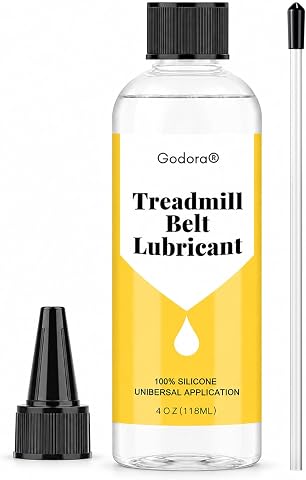
Product titles alone do not establish how loud a walking pad is, how much it vibrates, or how often it needs belt care. If you live above neighbors or plan to walk during calls, look for clear manufacturer information about operating noise and follow-up guidance, and check whether buyers can return the product if it does not suit the room. A protective mat may help shield flooring, but it cannot correct an unstable surface or a pad that is not level. Ask what routine maintenance the manual calls for and whether the belt can be adjusted or lubricated as directed. These practical details can matter more over time than an incline setting you use occasionally. Do not assume that a compact or foldable model is automatically quiet or maintenance-free.
Frequently Asked Questions
Can I store a collapsible walking pad under a desk?
Possibly, but “foldable” does not mean every model fits beneath every desk. Compare the pad’s folded height and length with the open clearance under your desk, including any crossbars or drawers. Check whether folding the handle changes the stored height and whether you can move the pad into place without lifting it awkwardly. If the desk is where you plan to walk, also confirm there is enough room for your stride and that the handle or display will not block your chair. Measure both the storage spot and the route to it before choosing.
Is automatic incline worth choosing over manual incline for home walking?
Automatic incline is most useful if you expect to change the incline during a session and want to do so without resetting the machine by hand. A manual incline can work well when you prefer a fixed setting and are comfortable adjusting it before walking. The TRAILVIBER is the standout in this lineup for its listed 12% auto incline, while several other models specify manual incline. That difference is about convenience and workout style, not proof that one machine is a better fit for every household. Check how each model controls incline and whether its adjustment range suits your intended use.
Do I need a walking pad with a handlebar?
A handlebar may be helpful if you want a place to steady yourself or prefer a more supported walking setup, but it adds bulk and can make under-desk use less convenient. A foldable or detachable bar can split the difference if you want support for some sessions and a clearer desk area for others. An adjustable bar may be useful in a shared home where users need different positions. Compare the handle design with how you will store the pad, not just how it looks in a product listing. Choose a model whose setup feels practical for your routine rather than assuming a bar is necessary for everyone.
How should I compare a walking pad’s speed range and weight capacity?
Use the stated speed range and capacity as initial checks against the people and routines the pad needs to support. The model listing 0.6–7.6 MPH and a 350 lb capacity provides a broader stated range on those two specifications, but those figures do not tell you the deck size, stability, or comfort. Confirm that every intended user falls within the manufacturer’s capacity and that the speed range suits walking rather than assuming a higher maximum makes the pad right for your household. If you plan to use it at a desk, think about a comfortable walking pace and whether controls are easy to reach. Read the full current specification sheet before making the comparison.
What should I check if I need to move the walking pad after every workout?
Check the machine’s weight, folded dimensions, and whether it has transport wheels or a safe lifting method described by the manufacturer. Also measure doorways, turns, and the final storage location; a pad can fit in a room but still be difficult to move through the home. Consider whether you can fold it without help and whether the handle needs to be removed first. A smaller footprint is useful, but it does not automatically mean the unit is light or easy to carry. If moving it will be part of every session, prioritize verified portability details over added features you may rarely use.
Conclusion
For the widest range of home routines, I’d choose the Foldable Walking Pad Treadmill with Handle Bar as best overall because its folding design and handle offer a balanced starting point. The Compact Walking Pad Treadmill for Home and Office is the better fit when footprint comes first, while the TRAILVIBER Walking Pad with 12% Auto Incline suits buyers who want incline changes without manual adjustment. For beginners, I’d favor a simple setup with controls and a handle arrangement that feels manageable over a model chosen for the most features. The model listing a 350 lb capacity and 0.6–7.6 MPH range is worth closer inspection for buyers who need those stated specifications, but verify its full fit and use details before deciding. I can’t name a best-value or best-premium choice from the supplied information alone, since the lineup gives no consistent evidence about price, warranty, or long-term build quality; compare those details alongside the features that matter most to you.
Cold & flu season Picks
humidifiers
As an affiliate, we earn on qualifying purchases.