Learned helplessness develops when you experience repeated uncontrollable situations, causing you to believe your actions won’t make a difference. This mindset roots in past failures that reinforce the idea that efforts are futile, leading to resignation and lowered motivation. To reverse it, you can adopt behavior modification techniques and cognitive strategies like setting small goals and challenging negative thoughts. By practicing these approaches consistently, you can regain your sense of control and resilience—and there’s more to discover if you keep going.
Key Takeaways
- Learned helplessness originates from experiments where uncontrollable events lead individuals to believe their actions won’t affect outcomes.
- Reversing learned helplessness involves combining behavior modification techniques with cognitive restructuring strategies.
- Reversal requires patience, consistency, and analyzing setbacks to adjust approaches rather than giving up.
- Developing small, achievable goals helps rebuild a sense of control and confidence over time.
- Cognitive restructuring targets negative thought patterns, encouraging beliefs that actions can influence circumstances.
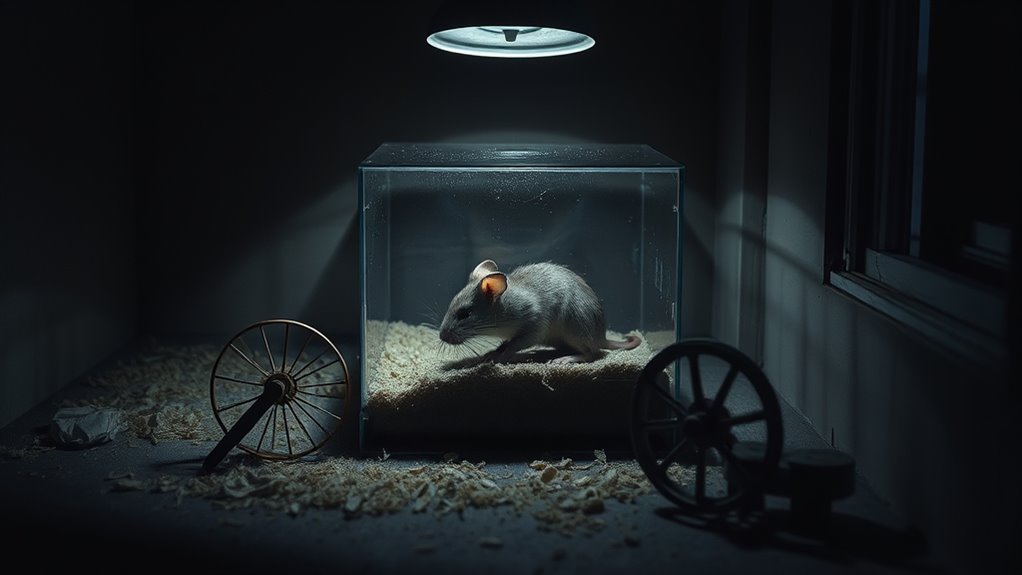
Have you ever felt stuck in a situation where no matter how hard you try, things never improve? That sense of helplessness isn’t just frustration—it’s a psychological state known as learned helplessness. This happens when you repeatedly face uncontrollable events and come to believe that your actions don’t matter. Over time, you might stop trying altogether, even when opportunities for change arise. Understanding the roots of learned helplessness and how to reverse it can empower you to regain control over your life.
Feeling stuck despite your efforts? Learn how to break free from helplessness and regain control.
The origins of learned helplessness trace back to experiments with animals and humans, where subjects learn that their responses have no effect on the outcome. When you experience repeated failures or uncontrollable circumstances, your brain begins to associate your actions with futility. This isn’t just about feeling discouraged; it’s a deep-seated belief that your efforts are pointless. To counteract this, behavior modification techniques are essential. These methods help you develop new patterns of thinking and acting, breaking the cycle of resignation. For example, setting small, achievable goals can reinforce the idea that your actions can make a difference. As you succeed in these tiny steps, your confidence builds, and you start to see your environment as more manageable.
Another effective approach is cognitive restructuring, which targets the negative thought patterns fueling learned helplessness. When you’re caught in a cycle of believing you’re powerless, your mind tends to spiral into feelings of despair and self-doubt. Cognitive restructuring helps you identify and challenge these distorted beliefs. Instead of thinking, “Nothing I do matters,” you learn to reframe it as, “I can influence some aspects of this situation,” or “I can try different strategies.” This mental shift is essential because it shifts your focus from helplessness to possibility, encouraging proactive behavior. Additionally, understanding how payment data can be protected through advanced security measures reinforces the importance of proactive strategies in different areas of life.
Reversing learned helplessness isn’t instant—it’s a process that requires patience and consistency. By combining behavior modification with cognitive restructuring, you can rewire your responses and perceptions. When setbacks happen, instead of giving up, you analyze what went wrong and adjust your approach. Over time, you rebuild your sense of agency and resilience. Remember, even when circumstances seem out of your control, your mindset and actions can change your experience. The key lies in recognizing the patterns, challenging the negative beliefs, and taking small steps forward. With persistence, you can break free from the cycle of learned helplessness and regain a sense of empowerment in your life.
Frequently Asked Questions
How Does Learned Helplessness Differ From Depression?
When comparing learned helplessness to depression, you notice that learned helplessness stems from feeling powerless after repeated failures, leading to passive coping mechanisms. Depression, however, involves persistent sadness and emotional changes that affect your resilience building. While learned helplessness can be reversed through therapy and new experiences, depression may require medical treatment. Recognizing these differences helps you develop effective coping mechanisms, fostering resilience to overcome both conditions.
Can Learned Helplessness Occur in Animals?
You might wonder if learned helplessness can happen in animals. Yes, it can. Researchers use experimental models to study this phenomenon, observing how animals, like dogs or rats, stop trying to escape stressful situations after repeated failures. This behavior mirrors aspects of human depression. Understanding animal behavior in these models helps scientists explore the mechanisms behind learned helplessness and develop potential treatments for related mental health issues.
What Are Effective Interventions to Reverse Learned Helplessness?
Think of reversing learned helplessness as turning a sinking ship around. You can do this through behavioral therapy, which encourages new, positive actions, and cognitive restructuring to change negative thought patterns. For example, in therapy, you might learn to challenge feelings of futility, helping you regain control. These approaches boost motivation and resilience, effectively breaking the cycle of helplessness and restoring a sense of agency and hope.
Is Learned Helplessness Linked to Certain Personality Traits?
You might wonder if learned helplessness links to certain personality traits. Research suggests that personality assessments reveal trait correlations, such as high neuroticism and low extraversion, which can make individuals more susceptible. These traits influence how you perceive control and respond to failure. Recognizing these connections helps you understand your tendencies and develop strategies to counter feelings of helplessness, fostering resilience and empowering change.
How Does Chronic Stress Contribute to Learned Helplessness?
Chronic stress impacts your ability to adapt and can lead to learned helplessness. When you experience ongoing stress, your brain undergoes neurochemical changes that impair motivation and decision-making. These changes hinder your stress adaptation, making you feel powerless even when situations improve. Over time, this cycle reinforces feelings of helplessness, as your brain learns to expect failure, reducing your efforts to change or escape adverse circumstances.
Conclusion
Imagine a dog trapped in a box, repeatedly shocked with no way to escape. Over time, it stops trying, believing nothing will change. That’s learned helplessness in action. But just like the dog, you can break free by changing your mindset and environment. Studies show that with effort and support, you can reverse this state. Remember, even in the darkest moments, hope and action can unleash your potential and restore your sense of control.