After experiencing adversity, you can find new meaning and strength by embracing your resilience. Trauma challenges you to grow emotionally, often revealing hidden strengths like patience and gratitude. This process involves healing by processing pain, forgiving yourself and others, and shifting your perspective. As you transform hardship into opportunity for renewal, you’ll develop a deeper appreciation for life’s fragility and beauty. Keep exploring, and you’ll discover how to turn wounds into sources of growth and hope.

Get health and wellness essentials delivered free with Prime
- Fast, free delivery on millions of items
- Prime Video, Amazon Music and more included
- Member-only deals all year
Key Takeaways
- Trauma can act as a catalyst for personal growth and renewal.
- Developing resilience involves deliberate effort, self-awareness, and facing adversity.
- Emotional healing requires processing pain, forgiving, and fostering positive emotions.
- Finding meaning in hardship reveals strengths like empathy, gratitude, and purpose.
- A perspective shift helps individuals appreciate life, foster hope, and build confidence for future challenges.
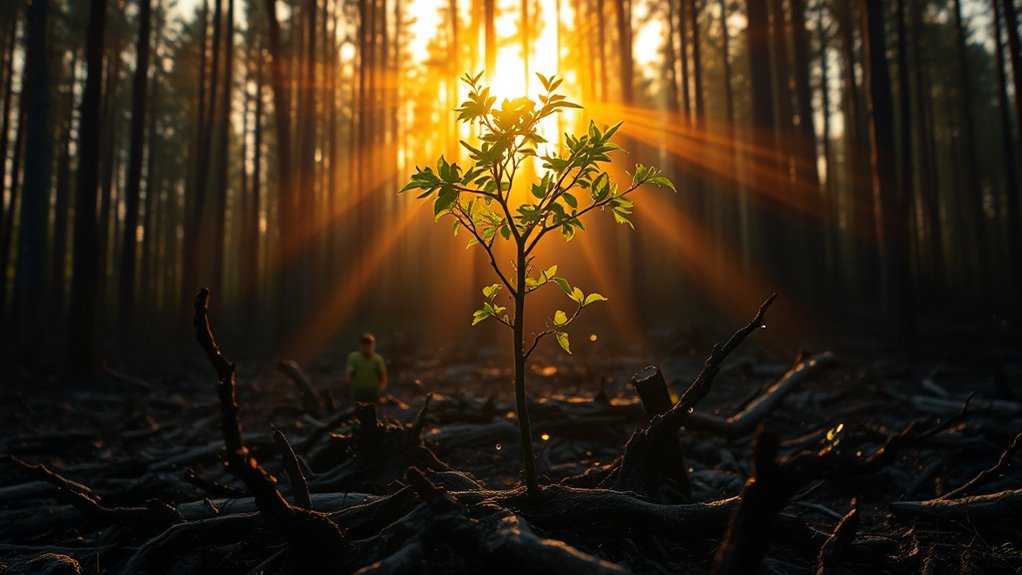
Have you ever wondered if trauma can lead to positive change? It’s a question many people ask when faced with difficult circumstances. The truth is, trauma doesn’t have to be the end of your story; it can serve as a catalyst for growth and renewal. When you experience a significant hardship, you’re often pushed into a space where resilience development becomes essential. This process involves building inner strength, learning to adapt, and discovering new ways to cope with life’s challenges. As you navigate through emotional healing, you may find that your perspective shifts, and you develop a deeper understanding of yourself and others.
Resilience development isn’t an overnight achievement. It requires deliberate effort and self-awareness. When you face adversity, you’re forced out of your comfort zone, which can be uncomfortable but also transformative. Each struggle becomes an opportunity to strengthen your emotional muscles, to learn patience, and to cultivate a sense of hope. Over time, these efforts lay the groundwork for emotional healing—an essential step in post-traumatic growth. Emotional healing involves processing pain, forgiving yourself and others, and allowing space for positive emotions to emerge. This process helps you regain control over your life and rebuild a sense of stability.
As you work through emotional healing, you might begin to see that your suffering has a purpose. You start to find meaning in your experience, recognizing that your hardship has made you more empathetic, resilient, and compassionate. You may even discover strengths you didn’t know you had, such as increased patience or a heightened sense of gratitude. Finding meaning after trauma isn’t about dismissing the pain but integrating it into your life story in a way that fosters growth. Recognizing the role of emotional resilience can further empower you to face future challenges with confidence. This shift in perspective can lead to a renewed sense of purpose and a more profound appreciation for life’s fragility and beauty.
journaling for emotional healing
As an affiliate, we earn on qualifying purchases.
As an affiliate, we earn on qualifying purchases.
Frequently Asked Questions
Can Post-Traumatic Growth Occur Without Professional Help?
You might wonder if post-traumatic growth can happen without professional help. It’s possible, as self-help strategies like journaling, mindfulness, and reflection can foster growth. Peer support also plays a vital role, offering shared understanding and encouragement. While professional help can accelerate healing, many find that with the right self-help tools and a strong support network, they can experience meaningful growth after adversity on their own.
How Long Does It Typically Take to Experience Growth?
Imagine planting a seed—you can’t rush its growth. Similarly, your recovery timeline varies, and growth happens at its own pace. Some find meaning in months, others take years. Patience is key because growth variability depends on your resilience, support, and circumstances. You might experience quick breakthroughs or gradual change, but ultimately, your journey’s pace is unique. Trust the process, and remember, progress often unfolds when you least expect it.
Are Certain Personality Traits Linked to Higher Growth?
You might wonder if certain personality traits influence your ability to experience growth after adversity. Research indicates that traits like resilience and openness act as trait predictors, making it easier for you to find meaning and grow. People with high personality resilience tend to bounce back faster, while openness helps you embrace change and new perspectives. Recognizing these traits can empower you to foster growth during challenging times.
Can Post-Traumatic Growth Happen After All Types of Trauma?
Imagine life as a vast garden, where storms sometimes uproot plants. Can growth sprout after all types of trauma? Yes, because universal resilience exists in everyone. While some traumas like loss or illness deeply shake us, others might not seem as severe. Yet, growth is possible across all types of trauma, helping you find new meaning. Your strength can transform adversity into a flourishing garden of renewal.
Is Post-Traumatic Growth Permanent or Temporary?
You might wonder if post-traumatic growth is permanent or temporary. The durability of growth varies; for some, it becomes a lasting change, transforming how they see life. Others may experience fluctuations, with growth feeling more temporary. Factors like ongoing support and personal effort influence the permanence of change. While growth can be sustained, it’s important to recognize that it may also ebb and flow over time.
mindfulness meditation for resilience
As an affiliate, we earn on qualifying purchases.
As an affiliate, we earn on qualifying purchases.
Conclusion
Think of adversity as a storm that shakes your world. While it’s tough, it also clears the sky for new growth. You have the power to find meaning and strength amid the chaos, turning pain into a garden of resilience. Remember, even after the darkest nights, the sun rises again—shining brighter because of what you’ve endured. Embrace this journey, knowing that you’re capable of blossoming into a stronger, wiser version of yourself.
self-help books on post-traumatic growth
As an affiliate, we earn on qualifying purchases.
As an affiliate, we earn on qualifying purchases.
gratitude journal for emotional well-being
As an affiliate, we earn on qualifying purchases.
As an affiliate, we earn on qualifying purchases.
Halloween Picks
halloween
As an affiliate, we earn on qualifying purchases.