

Understanding your stress responses helps you manage them better. Some stress feels manageable, while other pressures can feel overwhelming, depending on your coping tools and reactions. Techniques like mindfulness—deep breathing, meditation, grounding exercises—keep you present and reduce anxiety. Social support networks offer emotional comfort and practical advice, boosting your confidence. Combining these strategies builds resilience, helping you face challenges more effectively. Keep exploring ways to strengthen your stress management skills for a calmer, more resilient you.
Key Takeaways
- Individual stress responses vary based on coping tools, reactions, and support systems, influencing how manageable stress feels.
- Mindfulness techniques like breathing and meditation help reduce anxiety and promote present-moment awareness.
- Social support networks provide emotional comfort, practical advice, and foster a sense of belonging, enhancing coping abilities.
- Combining mindfulness with social support improves resilience, offers immediate calming, and helps manage emotional responses effectively.
- Regular practice of stress management strategies develops skills, boosts confidence, and makes challenging situations more manageable over time.

Have you ever wondered why some stress feels manageable while others seem overwhelming? The difference often lies in how you respond to stress and the tools you use to cope. When faced with stressors, you have the power to influence your reaction through mindfulness techniques and by leveraging your social support networks. Mindfulness techniques, like deep breathing, meditation, or grounding exercises, can help you stay present and reduce feelings of anxiety. Instead of spiraling into worry or panic, you learn to observe your thoughts and emotions without judgment, creating a mental space that allows you to respond calmly. Incorporating these practices into your daily routine can build resilience over time, making stressful situations feel less intimidating. Research shows that combining coping strategies enhances overall stress management effectiveness.
Equally important is the role of social support networks. When you share your feelings with trusted friends, family, or colleagues, you often find relief and clarity. Social support provides emotional comfort, practical advice, and sometimes just a sense of belonging, which can substantially lessen the burden of stress. Knowing you’re not alone in facing challenges can boost your confidence and help you approach problems with a clearer mind. Furthermore, supportive relationships can motivate you to adopt healthier coping strategies and keep you accountable to your mental health goals.
Using mindfulness techniques in conjunction with your social support networks creates a powerful buffer against stress. For instance, after a tense day, you might practice a quick mindfulness exercise to calm your mind before reaching out to a friend or family member. This combination helps you manage immediate stress and build long-term resilience. It’s important to recognize that not everyone has access to the same level of social support, but cultivating a sense of mindfulness can be a universally accessible way to regulate your emotional responses.
Building these skills takes practice, but the payoff is worth it. When you actively implement mindfulness techniques and nurture your social support networks, you gain more control over your stress responses. Instead of feeling overwhelmed or helpless, you develop a sense of agency and confidence in managing life’s inevitable stressors. Over time, these strategies can transform how you perceive and cope with stress, making challenging moments less intimidating and more manageable. Remember, your mindset and support system are your tools—use them wisely to navigate stress with strength and resilience.
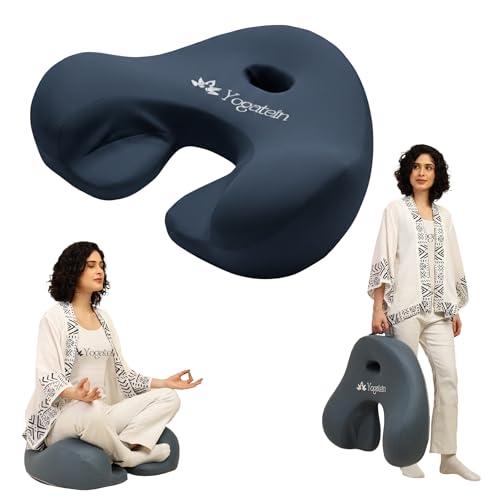
Ergonomic Meditation Cushion with Foot Rest & Carry Strap – Large Floor Cushion for Adults – Meditation Seat & Yoga Cushion for Mindfulness, Sound Healing & Reiki
ERGONOMIC MEDITATION SUPPORT – Designed to elevate hips and align the spine, this ergonomic meditation cushion reduces knee,…
As an affiliate, we earn on qualifying purchases.
As an affiliate, we earn on qualifying purchases.
Frequently Asked Questions
Can Stress Be Completely Eliminated From Daily Life?
No, stress can’t be completely eliminated from your daily life. Instead, focus on stress management techniques to build your daily resilience. By practicing mindfulness, staying organized, and setting realistic goals, you can better handle inevitable stressors. Embracing this approach helps you respond more effectively, reducing their impact. Remember, the goal isn’t to avoid stress entirely but to develop skills that allow you to cope and thrive amidst life’s challenges.
How Does Chronic Stress Affect Physical Health Long-Term?
Chronic stress is like a slow leak that weakens your health over time. It can lead to stress-related illnesses such as heart disease, hypertension, and diabetes. Long-term stress also suppresses your immune system, making you more vulnerable to infections. If unchecked, these effects accumulate, risking serious health problems. Managing stress through healthy coping strategies is essential to protect your physical well-being and prevent long-term damage.
Are There Cultural Differences in Stress Perception and Coping?
Yes, cultural norms influence how you perceive and cope with stress. In some cultures, stress expression is encouraged, helping you release tension openly. In others, you might suppress feelings to maintain harmony. These differences shape your stress responses and coping strategies, making it essential to understand cultural context. Recognizing these variations helps you develop more effective, personalized approaches to managing stress within your cultural framework.
What Role Does Genetics Play in Stress Responses?
Genetics play a significant role in your stress responses, with studies showing that about 30-40% of stress sensitivity is inherited. Your genetic predispositions influence how you react to stressors, affecting hormone levels and brain activity. This means that if stress tends to overwhelm you, your genes might make you more susceptible. Understanding this can help you develop personalized coping strategies, considering your unique genetic makeup.
Can Mindfulness Techniques Help in Managing Acute Stress Episodes?
Yes, mindfulness techniques can help manage acute stress episodes by promoting stress reduction. When you practice mindfulness, you become more aware of your thoughts and feelings, allowing you to respond calmly instead of reacting impulsively. The mindfulness benefits include improved focus and emotional regulation, which can lessen the intensity of stress. Incorporating simple practices like deep breathing or meditation during stressful moments can make a significant difference in calming your mind quickly.

Breathing Exercise,Deep Breathing Device for Adult Lung Trainer Breathing Exerciser Lung Respiratory Device 5000ml Volume, Incentive Spirometer for Adult
BREATHING TRAINING: Use our lung trainer to improve your breathing, which is a multifunctional breathing trainer designed for…
As an affiliate, we earn on qualifying purchases.
As an affiliate, we earn on qualifying purchases.
Conclusion
Understanding stress and coping helps you navigate life’s challenges more effectively. Did you know that 77% of people experience physical symptoms due to stress? By recognizing your stress responses and adopting healthy strategies, you can improve your well-being and resilience. Remember, managing stress isn’t about eliminating it but learning how to cope. Take control today—your mental and physical health will thank you for it.

Stress Relief: Adult Coloring Book with Animals, Landscape, Flowers, Patterns, Mushroom And Many More For Relaxation
As an affiliate, we earn on qualifying purchases.
As an affiliate, we earn on qualifying purchases.

Mental Health Journal, Guided Journal for Mental Health, 90-Day Self-Care Planner for Anxiety Relief, Mood Tracker to Improve Mindfulness & Habit Building, with Monthly Summary.
MENTAL HEALTH JOURNAL:This Mental Health Journal has a guided self-care plan that lasts for 90 days, providing a…
As an affiliate, we earn on qualifying purchases.
As an affiliate, we earn on qualifying purchases.