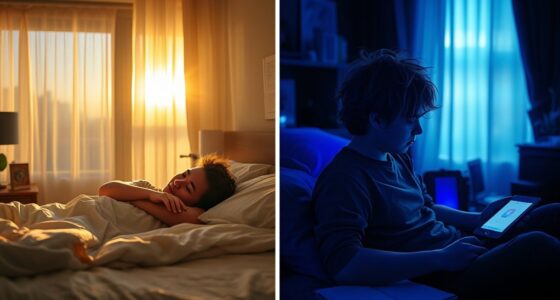
When you sleep, your brain shifts through several stages, each serving a crucial purpose. Light sleep helps you relax, while deep sleep with slow delta waves restores your body and boosts immunity. REM sleep, where your brain is highly active and dreams occur, consolidates memories and processes emotions. These stages cycle throughout the night, working together to keep you healthy. Understanding what happens during each phase reveals just how active your brain remains while you rest.
Key Takeaways
- Sleep consists of distinct stages, each characterized by specific brain activity patterns essential for health.
- Light sleep involves easy awakening and slowing brain waves, preparing the body for deeper rest.
- Deep sleep features synchronized delta waves, crucial for physical restoration and immune function.
- REM sleep exhibits high brain activity similar to wakefulness, facilitating vivid dreams and emotional processing.
- Sleep stages cycle approximately every 90 minutes, supporting memory consolidation and emotional regulation.
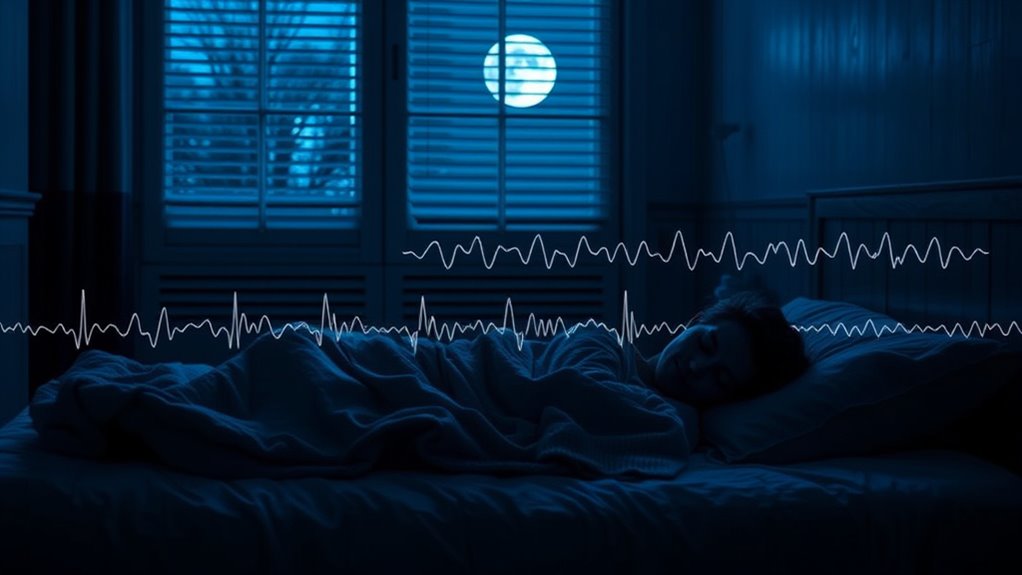
Have you ever wondered what happens in your body while you sleep? Sleep isn’t just a passive state; it’s a dynamic process involving various stages, each with distinct functions. During sleep, your brain goes through different activity patterns, especially in the form of dream cycles. These cycles are tightly linked to the brain’s activity levels and help you process emotions, consolidate memories, and reset your mental state. As you drift into sleep, your brain activity shifts from the alertness of wakefulness to slower, more rhythmic patterns, marking the start of the sleep stages.
Sleep involves dynamic brain activity that processes emotions, consolidates memories, and resets mental states through distinct stages.
In the early stages of sleep, your brain shift into light sleep, where you may be easily awakened. During this period, brain activity slows down, and your body begins to relax. As you progress into deeper sleep stages, brain activity becomes more synchronized, characterized by slow delta waves. These stages are vital for physical restoration, immune function, and energy recovery. But it’s during REM sleep—the stage closely associated with vivid dreaming—that your brain activity skyrockets again. In fact, during REM, your brain’s activity resembles wakefulness, with rapid, irregular waves that mirror the intense mental processes happening during dream cycles.
Dream cycles are a fascinating aspect of sleep because they reveal how your brain processes experiences and emotions. When you enter REM sleep, your brain becomes highly active, almost like it’s awake, which is why you often remember dreams vividly if you wake up during this stage. During these cycles, your brain consolidates the day’s memories, integrating new information and discarding what’s unnecessary. This process is essential for learning and emotional regulation. The brain’s activity during these cycles is not random; it follows a predictable pattern, cycling through REM and non-REM stages multiple times throughout the night. Each cycle lasts about 90 minutes, with REM periods becoming longer as the night progresses. Additionally, the different sleep stages are associated with specific brain wave patterns, which play a role in their unique functions.
Understanding the brain activity and dream cycles that occur during sleep helps explain why sleep is so restorative. Your brain uses these stages to clean up neural waste, reinforce learning, and keep your emotional health in check. This intricate dance of activity and rest underscores the importance of getting enough quality sleep each night. So, next time you’re sleeping peacefully, remember that your brain is actively working through these sleep stages, processing your experiences and preparing you for the day ahead.

ganopterygon Smart Bracelet for Men Women,24/7 Heart Rate Monitor, Sleep Tracking, 120+ Sport Modes, Built-in GPS, IP68 Waterproof, 30-Day Battery Life, Includes 2 Replacement Bands(Black)
All‑Day Health Monitoring – Automatically tracks your heart rate 24/7 and analyzes sleep patterns (deep/light sleep) via the…
As an affiliate, we earn on qualifying purchases.
As an affiliate, we earn on qualifying purchases.
Frequently Asked Questions
How Do Sleep Stages Differ Across Age Groups?
As you age, sleep stages undergo significant changes due to developmental differences and age-related changes. When you’re a child, you spend more time in deep sleep stages, which decline as you grow older. Older adults often experience lighter sleep and shorter REM periods, making restful sleep harder to achieve. These developmental differences impact sleep quality, requiring adjustments in routines to promote better rest across various age groups.
Can Sleep Stages Be Consciously Controlled or Altered?
Oh, absolutely, you can become a sleep stage control freak overnight. With conscious modulation and sleep stage manipulation, you might pretend you’re in charge of your REM or deep sleep. Just remember, the brain’s a stubborn boss, and most efforts to consciously alter sleep stages are about as effective as convincing cats to do tricks. So, go ahead—dream of mastering your sleep, but don’t be surprised if it laughs at you.
What Causes Disruptions in Specific Sleep Stages?
Disruptions in specific sleep stages often happen because of sleep deprivation or hormonal imbalance. When you don’t get enough sleep, your body can’t progress through all stages properly, especially REM and deep sleep. Hormonal imbalances, like those caused by stress or medical conditions, also interfere with your sleep cycles. These disruptions make it harder to feel rested and can negatively affect your overall health.
How Do Sleep Stages Impact Mental Health?
Sleep stages are like the foundation of a house, supporting your mental health. When you cycle through these stages properly, you improve dream recall and emotional regulation. If your sleep is disrupted, it’s like a house with a shaky foundation, leading to mood swings, anxiety, or depression. Prioritizing quality sleep helps stabilize your emotional well-being, making it easier to process emotions and remember dreams vividly.
Are Sleep Stages the Same During Naps and Full Night Sleep?
Sleep stages during naps differ from full night sleep because your sleep architecture varies. During naps, you mostly experience lighter sleep stages like NREM stages 1 and 2, and sometimes brief REM sleep, which is part of your dream cycle. Full night sleep involves a more balanced cycle of all stages, including deep slow-wave sleep and longer REM periods. So, while similar, they’re not exactly the same in structure or duration.

Novilla Bliss Queen Size Mattress, 12 Inch Gel Memory Foam Mattress Queen in a Box for Cool Night Sleep & Pressure Relief, Support Foam for Spine Alignment & Motion Isolation, Medium Plush Feel
【Pressure Relief & Spinal Alignment】This queen mattress features a 3-layer foam design that helps relieve pressure and support…
As an affiliate, we earn on qualifying purchases.
As an affiliate, we earn on qualifying purchases.
Conclusion
Understanding sleep stages is like exploring a mysterious, ever-changing landscape. As you journey through light, deep, and REM sleep, your body and mind recharge, just like a phone needs charging to work its best. By appreciating what happens during each stage, you can improve your sleep habits and wake up feeling refreshed. So, think of sleep as a nightly adventure—each stage is a new chapter helping you wake up ready to conquer the day.
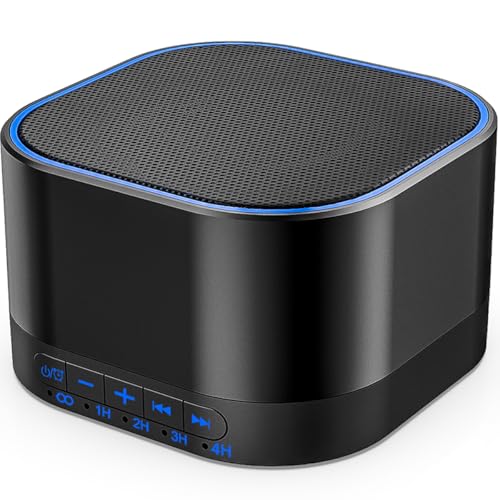
Magicteam Sound White Noise Machine with 20 Non Looping Natural Soothing Sounds and Memory Function 32 Levels of Volume Powered by AC or USB and Sleep Sound Timer Therapy for Baby Kids Adults
❤20 Non-Looping Sleep Sounds: White noise ,Brown noise, pink noise, blue noise, fan,brook, rain, ocean,bird and Bonfire,suitable for…
As an affiliate, we earn on qualifying purchases.
As an affiliate, we earn on qualifying purchases.

Garmin Index Sleep Monitor, Smart Sleep Band with Advanced Sleep Tracking and Recovery Metrics, S-M
Worn on the upper arm, this lightweight and breathable smart sleep band is available in two sizes for…
As an affiliate, we earn on qualifying purchases.
As an affiliate, we earn on qualifying purchases.