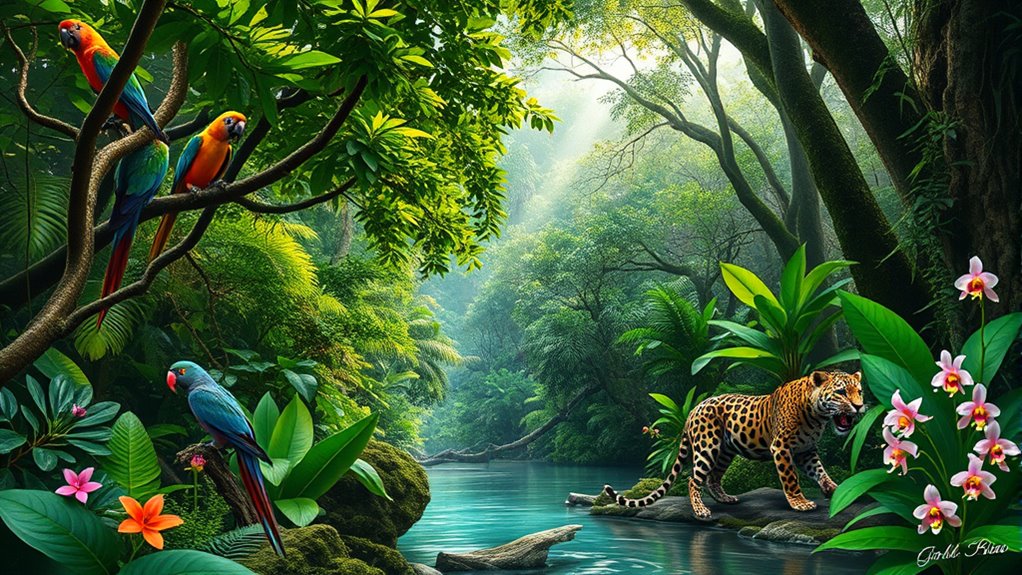

Protecting species and habitats is essential to maintaining healthy, resilient ecosystems that provide fundamental services like clean water, air, and food. By supporting conservation efforts, controlling invasive species, and engaging in habitat restoration, you help preserve biodiversity and guarantee ecosystems can withstand environmental changes. Public awareness and responsible actions play a critical role in safeguarding these natural treasures. Discover how your involvement can make a real difference in preserving our planet’s future.

Get health and wellness essentials delivered free with Prime
- Fast, free delivery on millions of items
- Prime Video, Amazon Music and more included
- Member-only deals all year
Key Takeaways
- Protecting native habitats through conservation and restoration helps preserve biodiversity and essential ecosystem services.
- Controlling invasive species prevents native species decline and maintains ecological balance.
- Promoting public awareness and education encourages responsible actions to support species and habitat protection.
- Implementing policies that restrict non-native species introduction reduces invasion risks.
- Engaging in active management strategies like habitat restoration and invasive species removal enhances ecosystem resilience.
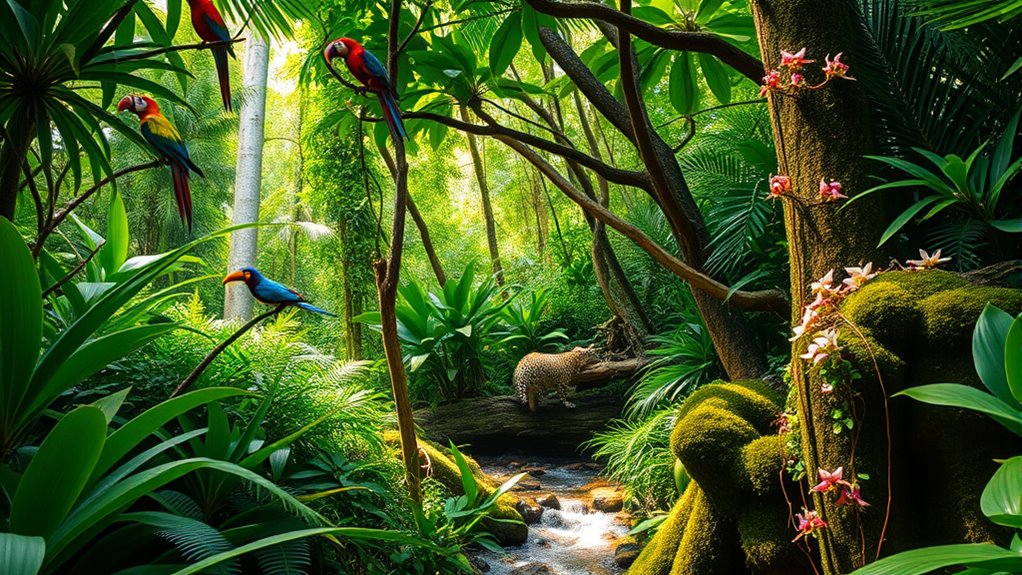
Have you ever wondered why preserving biodiversity matters? It’s because healthy ecosystems provide essential services that keep us alive and thriving. Ecosystem services include clean water, air purification, fertile soil, climate regulation, and pollination—all indispensable for our well-being. When biodiversity is lost, these services weaken, leading to serious consequences for both nature and human societies. Protecting species and habitats isn’t just about nature’s beauty; it’s about safeguarding the foundation of life on Earth, which directly impacts your daily life. Furthermore, maintaining genetic diversity within species enhances their resilience to environmental changes and diseases, ensuring ecosystems remain robust and adaptable. One critical challenge to maintaining biodiversity is the threat of invasive species. These non-native organisms, whether plants, animals, or microbes, are introduced intentionally or accidentally into new environments. Once established, invasive species often outcompete native species for resources, disrupt ecological balances, and cause native populations to decline or disappear. Their rapid spread can lead to monocultures and reduced biodiversity, undermining the resilience of ecosystems. Invasive species can also alter habitat structures, making it difficult for native species to survive, reproduce, or find food. This imbalance diminishes the ecosystem’s ability to provide essential services, such as water filtration or pest control, which you rely on daily.
To combat these threats, active conservation efforts focus on controlling or eradicating invasive species and restoring native populations. This might involve physical removal, biological control, or habitat management to reduce the opportunities for invasive species to take hold. Educating communities about the risks of introducing non-native species, whether through gardening, fishing, or travel, is imperative. When people understand how invasive species spread and the damage they cause, they become part of the solution. Additionally, protecting natural habitats—like forests, wetlands, and grasslands—helps maintain the complex web of native species that support ecosystem services. When these habitats are preserved and restored, they become more resilient against invasions and other threats.
Your role in biodiversity conservation can be simple yet impactful. Supporting policies that prevent the introduction of invasive species, participating in local habitat restoration projects, or spreading awareness about the importance of native species can make a difference. Every action helps reinforce the delicate balance of ecosystems that sustain life on Earth. Recognizing that ecosystems are interconnected, and that invasive species threaten this balance, underscores the importance of proactive conservation measures. By safeguarding biodiversity, you help maintain the services that support your health, economy, and the environment, ensuring a sustainable future for generations to come.
native habitat restoration tools
As an affiliate, we earn on qualifying purchases.
As an affiliate, we earn on qualifying purchases.
Frequently Asked Questions
How Can Individuals Contribute to Biodiversity Conservation?
You can contribute to biodiversity conservation by adopting sustainable practices in your daily life, like reducing waste, conserving water, and supporting eco-friendly products. Engaging with your community through local conservation projects or awareness campaigns amplifies your impact. Educate others about the importance of protecting species and habitats. Your actions, combined with community effort, help preserve biodiversity for future generations, making a real difference in maintaining healthy ecosystems.
What Are the Most Endangered Species Globally?
Oh sure, the most endangered species include the vaquita, Javan rhino, and vaquita again—because who doesn’t love a double dose of near extinction? These creatures face species extinction mainly due to habitat loss and illegal trade, making them the poster children for human neglect. You can help by supporting conservation efforts, reducing habitat destruction, and spreading awareness—because saving these species isn’t just noble, it’s essential for our own survival.
How Do Protected Areas Impact Local Communities?
Protected areas can positively impact local communities by boosting ecotourism benefits, creating jobs, and supporting local businesses. When you get involved in community efforts, you help guarantee that conservation efforts align with your needs and interests. This involvement fosters a sense of ownership and responsibility, leading to sustainable practices. Overall, protected areas can enhance your quality of life while conserving biodiversity, especially when community involvement is prioritized.
What Are the Main Threats to Marine Biodiversity?
You face major threats to marine biodiversity like coral bleaching and overfishing. Coral bleaching occurs when rising sea temperatures stress corals, causing them to lose color and die, which disrupts entire ecosystems. Overfishing reduces fish populations faster than they can recover, harming the food chain. These threats endanger marine life, threaten livelihoods, and degrade ocean health, making it vital to implement sustainable practices and protect marine environments.
How Does Climate Change Affect Biodiversity?
You might not realize it, but climate change slowly erodes biodiversity. As temperatures rise, you see climate-induced habitat loss force species to migrate, often to unsuitable areas. This disrupts ecosystems and threatens survival. The more the climate warms, the more chaotic these shifts become, pushing delicate balances to the brink. Your actions today can help slow these changes, giving species a fighting chance to adapt and thrive again.
As an affiliate, we earn on qualifying purchases.
Conclusion
So, next time you ignore that tiny butterfly or pass by a dying coral reef, remember you’re choosing to ignore Earth’s living masterpiece. Conservation isn’t just for scientists or hippies—it’s for everyone who enjoys breathing, eating, and having a planet worth visiting. If you think saving species is too much trouble, just wait until you realize your favorite coffee, pizza, or sunset might disappear. fundamentally, saving biodiversity is your best bet for a future worth whining about.
biodiversity conservation educational books
As an affiliate, we earn on qualifying purchases.
As an affiliate, we earn on qualifying purchases.
wildlife habitat monitoring camera
As an affiliate, we earn on qualifying purchases.
As an affiliate, we earn on qualifying purchases.
Halloween Picks
halloween
As an affiliate, we earn on qualifying purchases.