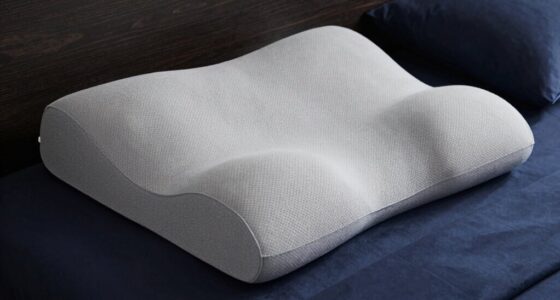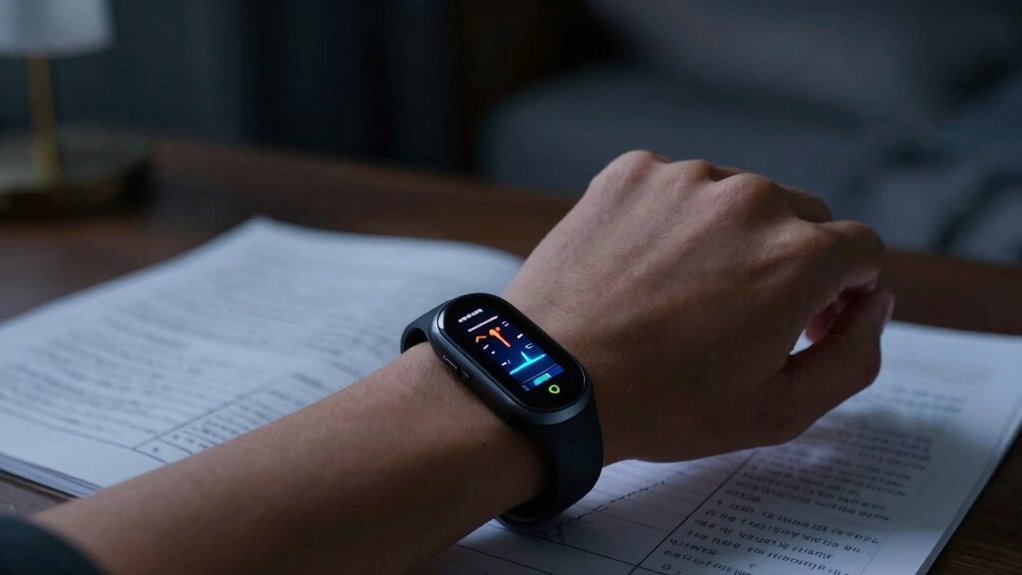

Smart sleep trackers have become essential tools for anyone looking to improve sleep quality through data insights. The Smart Health Ring stands out as the best overall choice for its accuracy and comfort, while the Xiaomi Mi Smart Band 10 offers excellent value with a long battery life. Other notable options like the Google Fitbit Inspire 3 excel in user-friendly design, but tradeoffs include limited advanced metrics. Many models balance features with ease of use, yet some sacrifice depth or battery longevity. Continue reading for a detailed comparison and help in selecting the right sleep tracker for your needs.

Get health and wellness essentials delivered free — and shop member deals
- Fast, free delivery on millions of items
- Access to Prime Big Deal Days deals on October 6–7
- Prime Video, Amazon Music and more included
Key Takeaways
- The best overall sleep tracker combines accuracy, comfort, and seamless app integration, exemplified by the Smart Health Ring.
- Battery life varies significantly; models like Xiaomi Mi Band 10 excel in longevity but may lack some advanced sleep metrics.
- Wearable form factors differ, with rings and bands favoring comfort, while larger watches offer more display features at the expense of discreetness.
- Price ranges are broad; affordable options provide basic tracking, but premium models offer deeper insights and additional health metrics.
- User interface and app experience are critical; intuitive apps improve data interpretation and motivate consistent use.


| smart sleep tracker | Battery Life | Water Resistance |
|---|---|---|
| Smart Health Ring with Stress | 2-3 days (up to 10 days with charging case) | — |
| Zeacool Fitness Tracker with H | 10-14 days | 5 ATM Waterproof |
| Google Fitbit Inspire 3 | — | — |
| Smart Ring Health Tracker for | 2-3 days, up to 5 days with charging case | 80 meters |
| Fitbit Google Air | Up to 7 days | — |
| Smart Bracelet Fitness Tracker | 45-60 days | 1ATM |
| Fitness Tracker with Heart Rat | Up to 7 days | IP68 |
| Smart Watch for Women and Men | Up to 10 days | IP67 |
| Xiaomi Mi Smart Band 10 | 21 days | — |
| Smart Watch Fitness Tracker wi | — | — |
More Details on Our Top Picks
Smart Health Ring with Stress and Sleep Monitoring, Waterproof Fitness Tracker for iOS and Android
This smart ring stands out for offering a seamless blend of comfort, durability, and accurate sleep monitoring, especially compared to bulkier wrist trackers like the Zeacool. Its waterproof design up to 80 meters makes it ideal for swimmers, and the long battery life means less frequent charging—up to 10 days with the case—an advantage over many wrist-based options. However, precise size measurement is essential to ensure a good fit, and some advanced app features may require an extra subscription. Because it’s discreet and comfortable enough for all-day wear, it suits those who prefer minimalism and water activities without sacrificing health insights.
Pros:- Accurate sleep and fitness tracking with advanced sensors
- Waterproof up to 80 meters, suitable for swimming
- Long battery life, up to 10 days with charging case
- No subscription fee for full features
Cons:- Requires precise size measurement for optimal fit
- Limited detailed app features without subscription
- Battery life may vary with heavy usage
Best for: Individuals seeking a comfortable, waterproof device for continuous sleep and activity tracking without the bulk of a wristband.
Not ideal for: Users who want detailed on-screen data or extensive app features, as the ring relies heavily on app data and requires careful sizing.
- Size:Refer to size chart before purchase
- Battery Life:2-3 days (up to 10 days with charging case)
- Waterproof Depth:80 meters
- Compatibility:iOS and Android
- Sensors:Advanced 4.0 sensors
- Subscription:No subscription fee
Our verdict“This pick makes the most sense for water-active users who prioritize comfort and durability in a sleep tracker.”
Zeacool Fitness Tracker with Heart Rate, Blood Oxygen, Blood Pressure, Sleep Monitoring, Waterproof, Pedometer, Smart Watch for Women and Men
Compared with the simpler Smart Ring, the Zeacool Tracker offers a more detailed display and extensive health metrics, including blood pressure and oxygen levels, making it ideal for users who want a comprehensive overview. Its 1.10-inch AMOLED screen delivers vibrant visuals, and the 10-14 day battery life minimizes charging interruptions. Despite this, some features may require app setup, and the interface’s usability isn’t fully clear, which could be frustrating for less tech-savvy users. This device is best suited to those who prioritize real-time health data with a vivid display for daily insights.
Pros:- Comprehensive health monitoring including blood oxygen and blood pressure
- Vivid AMOLED display with customizable watch faces
- Long battery life with fast charging
- Waterproof up to 5 ATM for swimming
Cons:- Some features depend on app setup and synchronization
- Limited detailed interface info available
- Battery life can vary with extensive feature use
Best for: Health-conscious individuals who want in-depth metrics and a bright display for ongoing monitoring.
Not ideal for: People seeking a minimal or discreet device, as the screen is prominent and may be less comfortable for constant wear.
- Display:1.10 inch AMOLED HD Touch screen
- Water Resistance:5 ATM Waterproof
- Battery Life:10-14 days
- Sports Modes:25 modes
- Compatibility:iPhone and Android
- Functions:Heart rate, blood oxygen, blood pressure, sleep tracking
Our verdict“This makes the most sense for users who want detailed, real-time health insights on a bright, colorful screen and can handle initial setup.”
Google Fitbit Inspire 3 – Midnight Zen/Black – Small and Large Bands
The Fitbit Inspire 3 is a versatile tracker that covers activity, stress, sleep, and more, making it suitable for those who want a balanced overview. Its compatibility with both iOS and Android broadens accessibility, and the stress management features add value beyond just sleep. However, full access to advanced insights requires a Fitbit Premium subscription, which can be an extra cost. Compared to the more minimalistic Google Air, this device offers more detailed health metrics, but at the expense of ongoing subscription fees. It’s ideal for users who want guided wellness advice along with sleep insights.
Pros:- Comprehensive health tracking including stress and sleep
- Compatible with iOS and Android devices
- Includes customizable bands and a sleek design
- Provides personalized scores and motivational insights
Cons:- Requires a Fitbit Premium subscription for full features
- Some features are region-restricted
- Limited advanced metrics without subscription
Best for: Users seeking an all-in-one health tracker with personalized insights and stress management tools.
Not ideal for: Those who prefer a free, no-subscription device with minimal features or who dislike ongoing costs.
- Compatibility:iOS 16.4+, Android 11+
- Features:Activity, heart rate, stress, sleep, SpO2, menstrual health
- Bands:Small and Large
- Includes:Stress management, sleep analysis
Our verdict“This is best for wellness-focused users who value guided insights and stress management as part of their sleep monitoring.”
Smart Ring Health Tracker for Women & Men, Sleep & Fitness Monitoring, Waterproof, No Subscription, 5-Day Battery (Silver)
This smart ring offers a minimalist alternative to wrist trackers, with a 5-day battery life and waterproof design up to 80 meters, similar to the waterproof Smart Ring but with a shorter battery span. Its lack of a display means all data depends on app viewing, which can be less immediate than a wrist device like Zeacool. Its focus on sleep and fitness metrics makes it suitable for those who prefer wearing a non-intrusive device without ongoing fees. However, the limited battery life compared to the Smart Health Ring might be a downside for heavy users, and the sizing must be precise for comfort and accuracy.
Pros:- Accurate sleep and fitness tracking with advanced sensors
- Long-lasting battery up to 5 days with charging case
- Waterproof up to 80 meters, suitable for swimming
- No subscription fee required
Cons:- Requires accurate sizing before purchase
- No display; relies entirely on app for data
- Battery life shorter than some competitors
Best for: Minimalist users who want accurate sleep and fitness data without subscriptions or visible screens.
Not ideal for: Tech enthusiasts who prefer instant data access on a display or need longer battery life for extended tracking.
- Operating System:Android Wear 1.0
- Battery Life:2-3 days, up to 5 days with charging case
- Water Resistance:80 meters
- Metrics Measured:Heart Rate, Sleep Duration, Blood Pressure
- Style:Round
- Compatibility:iOS and Android
Our verdict“This device suits users seeking discreet, accurate sleep tracking without ongoing costs or a screen.”
Fitbit Google Air – Screenless Activity Tracker – Obsidian
The Fitbit Google Air emphasizes comfort and unobtrusiveness with its screenless, lightweight design, making it ideal for those who dislike constant screen distractions. Its 7-day battery life and fast charging are advantages over many screen-based devices, and the adaptive coaching via Google Health adds a layer of personalized motivation. However, the absence of a screen means no real-time stats, which could be a drawback for users who want on-the-spot data. For those comfortable with app-based insights and seeking a subtle device, this tracker provides continuous health monitoring without the visual clutter of a display.
Pros:- Lightweight and comfortable for all-day wear
- Long battery life with quick 5-minute charge for 1 day of use
- No screen reduces distractions
- Adaptive coaching through Google Health
Cons:- No display for real-time stats
- Requires subscription for premium coaching
- Limited detailed health metrics compared to screen-based trackers
Best for: Users who prefer a comfortable, discreet device with a focus on ongoing health insights rather than instant data.
Not ideal for: People who want immediate access to stats or detailed metrics without relying on a smartphone app.
- Size:130-210 mm
- Battery Life:Up to 7 days
- Charging:Fast charging provides 1 day in 5 minutes
- Features:No screen, customizable look, adaptive coaching
Our verdict“This device is best suited for minimalist users who prioritize comfort and ongoing insights over instant data access.”
Smart Bracelet Fitness Tracker with Heart Rate, Sleep Monitoring, 170+ Sports Modes, 2 Bands, Free App
This fitness tracker excels in offering over 170 sports modes, making it ideal for dedicated athletes or fitness enthusiasts who want detailed activity data. Its long battery life of up to 60 days surpasses most competitors like the Xiaomi Mi Band 10, which lasts about 21 days, reducing the hassle of frequent charging. However, the absence of a display means you can’t quickly glance at your stats, which could be inconvenient during workouts. Its waterproof rating at 1ATM is sufficient for daily splashes but not swimming, unlike the B0H3YXQNKL which is IP67 and more suitable for varied water activities. This device makes the most sense for users prioritizing comprehensive activity logs over immediate data access via a screen.
Pros:- Over 170 sports modes for comprehensive activity tracking
- Impressive battery life up to 60 days
- Lightweight, ergonomic design for all-day comfort
- Includes 2 interchangeable nylon bands
Cons:- No display screen limits quick data access
- Water resistance at 1ATM may not support swimming
- Requires smartphone app for full functionality
Best for: Fitness enthusiasts or athletes who want extensive activity tracking with minimal charging.
Not ideal for: Casual users who prefer quick, on-the-go data checks or swim-focused swimmers.
- Heart Rate Monitoring:Yes
- Sleep Tracking:Yes
- Sports Modes:170+
- Battery Life:45-60 days
- Water Resistance:1ATM
- Weight:25g
Our verdict“This tracker is perfect for dedicated athletes seeking detailed stats and long-lasting battery life, but less suitable for casual or water-intensive use.”
Fitness Tracker with Heart Rate, Blood Pressure, Sleep Monitor, 1.10″ AMOLED Screen, Waterproof, Smart Watch for Women and Men
This tracker’s 1.10-inch AMOLED display offers vibrant visuals, making it easy to read notifications and health stats at a glance—a feature missing in the B0H4Y6Y2RS. It provides comprehensive health metrics, including blood pressure and sleep tracking, suitable for users who want detailed insights without needing a separate app. Its 7-day battery life is decent but falls short of the longer lifespan offered by the previous pick, especially with frequent use of its multiple features. While the device is waterproof at IP68, its accuracy in blood pressure readings can vary and shouldn’t replace medical devices. This pick makes the most sense for users wanting a balance of visual clarity and health tracking in a stylish, waterproof package.
Pros:- Vivid AMOLED display with customizable watch faces
- Includes blood pressure, heart rate, and sleep monitoring
- Waterproof and stylish design
- Good app support for iOS and Android
Cons:- Data accuracy for some metrics can vary
- Limited detailed metrics without app
- Battery life declines with extensive feature use
Best for: Health-conscious users who prefer a bright, easy-to-read display and detailed health metrics.
Not ideal for: Users seeking ultra-long battery life or primarily interested in sports tracking without needing a screen.
- Display:1.10 inch AMOLED HD Touch Screen
- Water Resistance:IP68
- Battery Life:Up to 7 days
- Sports Modes:25
Our verdict“Ideal for users who value a bright display and comprehensive health insights, but not for those prioritizing extended battery life.”
Smart Watch for Women and Men, Fitness and Sleep Tracker with 1.83″ HD Touchscreen, Bluetooth Calling, IP67 Waterproof, Multi-Sport Modes, Pedometer, Jet Black
This smartwatch stands out for its large 1.83-inch HD touchscreen, making it easy to view notifications and health data during workouts or daily activities. Its Bluetooth calling feature adds convenience, especially for users who want quick interactions without pulling out their phone. It supports multiple sports modes, including swimming, with a waterproof rating at IP67, which is suitable for most water activities but not diving. The device’s extensive health monitoring includes heart rate, blood oxygen, and sleep, making it a solid all-around choice. However, its large screen and feature set can be overwhelming for beginners or those seeking simplicity. This model fits best for active users who want a sizable display and integrated calling.
Pros:- Large 1.83-inch HD touchscreen with customizable watch faces
- Supports Bluetooth calling and notifications
- Comprehensive health monitoring including sleep and blood oxygen
- Multi-sport modes including swimming
Cons:- Large size may be bulky for some users
- Not suitable for diving or hot showers due to IP67 rating
- Feature overload for those seeking simplicity
Best for: Active users who want a large display, Bluetooth calling, and multi-sport tracking in one device.
Not ideal for: Minimalists or casual wearers who prefer a simple, lightweight tracker without extensive features.
- Display:1.83-inch HD touchscreen
- Water Resistance:IP67
- Battery Life:Up to 10 days
- Multi-Sport Modes:Various, including swimming
Our verdict“Best suited for active individuals who appreciate a big display and integrated communication features, but less ideal for minimalists.”
Xiaomi Mi Smart Band 10 (2025) Global Version – 1.72″ AMOLED Display, 21 Days Battery Life, Heart Rate & Multi-Sport Tracker
The Xiaomi Mi Band 10 provides a bright 1.72-inch AMOLED display with high brightness levels, making it excellent for outdoor use. Its 21-day battery life surpasses most competitors, reducing charging frequency and making it suitable for travel or busy schedules. It covers key fitness metrics like heart rate, sleep, and multi-sport tracking, with a focus on practical everyday use. However, it primarily relies on Xiaomi’s ecosystem, requiring third-party apps for some features outside that environment. Its basic interface and limited detailed metrics make it less suitable for advanced athletes or medical-grade monitoring. This band is ideal for users who want a vibrant display and long-lasting battery for daily wear.
Pros:- Vivid 1.72-inch AMOLED display with high brightness
- Long battery life of up to 21 days
- Supports multi-sport and sleep tracking
- Fast charging in about 1 hour
Cons:- Requires third-party app for advanced measurements
- Limited app support outside Xiaomi ecosystem
- Basic interface for advanced users
Best for: Casual fitness users who want long battery life and clear outdoor visibility without complex data requirements.
Not ideal for: Users needing detailed medical-grade metrics or extensive third-party app support outside Xiaomi’s system.
- Display:1.72-inch AMOLED
- Battery Life:21 days
- Charging:Fast charging (1 hour)
- Additional Features:Multi-sport, sleep monitoring
Our verdict“Great for casual users prioritizing long battery life and outdoor visibility, but less suitable for detailed health monitoring or extensive app integration.”
Smart Watch Fitness Tracker with Heart Rate, Blood Oxygen, Blood Pressure, Sleep Monitoring, 120 Sports Modes, IP68 Waterproof for Android and iPhone
This device offers a 1.58-inch high-resolution touchscreen and supports a broad range of health metrics, including heart rate, blood pressure, blood oxygen, and sleep. Its support for over 120 sports modes makes it versatile for various activities, while the IP68 waterproof rating adds durability for swimming and outdoor use. Compared with the B0H4Y6Y2RS, it has a smaller display but provides more detailed health monitoring in a single device. Its battery life isn’t specified clearly, which could be a downside for users seeking longer periods between charges. The large feature set may be overwhelming for some, but it suits those who want a comprehensive health tracker that’s compatible with both Android and iOS.
Pros:- High-resolution display with vibrant visuals
- Supports comprehensive health metrics including blood pressure
- Waterproof at IP68, suitable for swimming
- Over 120 sports modes for versatility
Cons:- Feature overload may be overwhelming for some
- Battery life details are not specified clearly
- Requires smartphone for GPS features
Best for: Active users who want a feature-rich, waterproof tracker with extensive health monitoring and multi-sport support.
Not ideal for: Users who prefer minimalistic devices or need longer battery life without frequent charging.
Our verdict“Ideal for health-focused users needing detailed metrics and durability, but not for those seeking simplicity or long battery life.”

How We Picked
To evaluate these smart sleep trackers, I considered key factors such as accuracy of sleep and health monitoring features, ease of use, comfort, battery life, and value for the price. Devices had to be primarily designed for sleep tracking, with reliable app integration and data presentation. I also looked at build quality, waterproof ratings, and whether additional health metrics like heart rate or blood oxygen were included. The ranking aims to balance performance with accessibility, ensuring each pick suits different user needs—from casual sleepers to dedicated health enthusiasts.Factors to Consider When Choosing Smart Sleep Trackers
When choosing a smart sleep tracker, it’s important to consider how the device fits into your lifestyle, budget, and sleep goals. Not all trackers are created equal, and features like accuracy, comfort, and battery life can vary widely. Understanding these factors helps avoid common pitfalls, such as choosing overly complex devices that are hard to wear or underpowered models that lack meaningful insights. Here are key considerations to guide your decision:Accuracy and Data Depth
Prioritize devices that have proven accuracy for sleep detection and health metrics. Some trackers use advanced sensors and algorithms to differentiate between light, deep, and REM sleep phases, which can be valuable for understanding sleep quality. Cheaper models may only offer basic sleep duration, so weigh your need for detailed insights against cost. Remember, more data isn’t always better if it’s not reliable or actionable.
Comfort and Wearability
The device should feel comfortable enough to wear all night without causing irritation or disrupting sleep. Rings and slim bands tend to be less obtrusive, but some users find them less accurate or less durable. Larger watches or bulky devices may provide more features but risk being uncomfortable or prompting inconsistent use. Test different form factors to find what suits your sleep habits and personal preferences best.
Battery Life and Charging
Long battery life reduces the hassle of frequent charging, which can interrupt sleep tracking consistency. While some models last several days or up to two weeks, others may require daily charging. Consider your routine and choose a device that aligns with your lifestyle—if you forget to charge often, a tracker with extended battery life makes more sense. Also, check how easy it is to recharge and whether charging ports are sealed against water exposure.
Additional Features and Metrics
Many sleep trackers incorporate health metrics like heart rate, blood oxygen, or even stress monitoring, adding value beyond sleep alone. Think about which features are meaningful to you—if you’re managing a health condition, more comprehensive data can be beneficial. Conversely, if simplicity is your goal, a straightforward sleep tracker might suffice. Beware of devices that promise too much but lack accuracy or meaningful insights in certain metrics.
App Integration and Data Interpretation
An intuitive app experience enhances your ability to understand and act on sleep data. Look for apps that provide clear visualizations, personalized recommendations, and easy-to-understand summaries. Compatibility with your smartphone’s operating system and integration with other health apps can streamline your overall wellness tracking. Poor app design can frustrate ongoing use, so consider user reviews and interface quality before purchasing.
Frequently Asked Questions
How accurate are smart sleep trackers compared to clinical sleep studies?
While smart sleep trackers can provide valuable insights into sleep patterns, they generally don’t match the precision of clinical sleep studies. These devices rely on accelerometers and optical sensors, which can sometimes misclassify sleep stages or miss nuanced sleep disturbances. However, for most users seeking to improve sleep habits and monitor trends, they offer a practical and accessible alternative. For diagnosing specific sleep disorders, consulting a healthcare professional remains essential.
Can I wear a sleep tracker all night without discomfort?
Most modern sleep trackers are designed with comfort in mind, but individual preferences vary. Rings and slim bands tend to be less intrusive, making them suitable for all-night wear. Larger watches or bulky devices may feel cumbersome or cause irritation over time. It’s important to choose a device with a comfortable strap and lightweight design if you plan to wear it nightly, and consider trying different options to see what feels best for your sleep routine.
Do sleep trackers help improve sleep quality?
Sleep trackers can motivate better sleep habits by providing insights into patterns and disturbances. When used consistently, they help identify factors like late-night screen time or irregular schedules that affect sleep quality. However, simply tracking isn’t enough; applying the recommendations and making lifestyle adjustments are what lead to improvements. Keep in mind that tracking alone won’t fix underlying issues without behavioral changes or medical intervention if needed.
Are more expensive sleep trackers worth the extra cost?
Higher-priced trackers often offer more accurate sensors, detailed sleep stage analysis, and additional health metrics like blood oxygen or stress levels. They tend to have better build quality and longer battery life, making them more reliable for serious health monitoring. However, if your goal is basic sleep tracking, a budget-friendly device can provide sufficient data without the extra expense. Weigh your health goals and budget carefully before investing in a premium model.
What should I look for if I want a sleep tracker for recovery and fitness?
For recovery-focused tracking, prioritize devices that measure heart rate variability, blood oxygen, and sleep stages, as these indicators influence physical recovery. An integrated app that offers personalized insights on sleep quality and suggestions for improving rest can also be beneficial. Compatibility with your existing fitness ecosystem and multi-sport modes can enhance the overall value, especially if you combine sleep tracking with workout data for comprehensive health management.
Conclusion
The best overall smart sleep tracker for most users is the Smart Health Ring due to its blend of accuracy, comfort, and seamless app experience. Those prioritizing affordability and long battery life will find the Xiaomi Mi Smart Band 10 a compelling choice. If you seek a premium device with extensive health metrics, the Smart Watch with 1.83″ HD Screen or similar models serve well. Beginners or casual users should opt for simple bands or rings, while dedicated health enthusiasts may prefer devices with advanced sensors. Matching your specific needs with these strengths ensures you get the most value from your investment.
Fall Picks
fall essentials
As an affiliate, we earn on qualifying purchases.