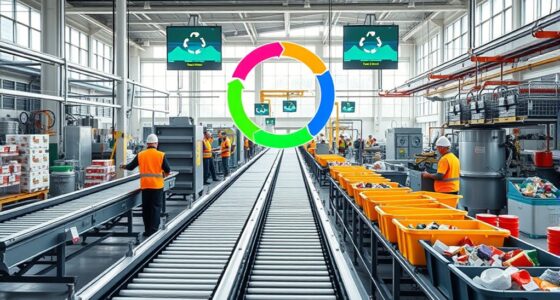

Circular thinking changes more than your waste habits because it shifts how you approach resource use, product design, and problem-solving. You start keeping resources in use longer, focusing on repair, reuse, and upgrades. This mindset encourages systems that are regenerative, reducing vulnerability to supply disruptions. It also sparks innovation and new business models, transforming entire industries. By adopting circular thinking, you support broader sustainability efforts—so stay tuned to discover how this mindset can truly reshape your world.
Key Takeaways
- Circular thinking transforms industries by promoting sustainable innovation and systemic change, beyond just waste reduction.
- It encourages designing products for longevity, repairability, and adaptability, impacting overall resource management.
- Circular models enhance resource resilience, reducing vulnerability to supply disruptions and market fluctuations.
- It fosters holistic approaches that reframe waste as a valuable resource, leading to new markets and business opportunities.
- By integrating circular principles, organizations improve efficiency, reduce costs, and support long-term sustainability goals.
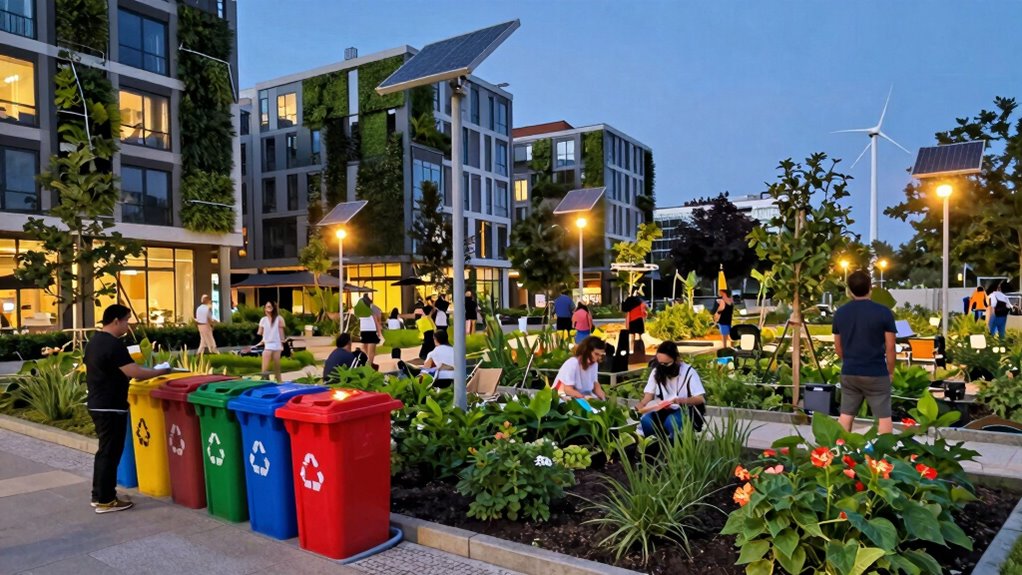
Have you ever considered how circular thinking extends far beyond just reducing waste? It’s a mindset that influences how you approach problem-solving, product design, and resource management. This way of thinking emphasizes keeping resources in use for as long as possible, minimizing waste, and creating systems that are regenerative by nature. When you adopt this perspective, you’re not just cutting down on trash—you’re fostering sustainable innovation that transforms entire industries. Instead of relying on linear models that deplete resources and generate waste, circular thinking encourages you to design products and processes that are adaptable, repairable, and upgradable. This shift leads to resource resilience, meaning communities and companies become less vulnerable to supply disruptions and price fluctuations because they depend on the continual reuse and regeneration of materials.
By embracing circular principles, you’re actively contributing to a more sustainable future. This isn’t just about being environmentally friendly but about creating smarter, more efficient systems that thrive over time. For example, in manufacturing, you might develop products with modular components that can be easily repaired or upgraded, reducing the need for new raw materials. This approach not only cuts costs but also extends product lifespans, fostering a cycle of reuse rather than disposal. As you incorporate these ideas into your work or daily routines, you’re helping to build a resilient resource economy where scarcity doesn’t cripple progress. Your choices in sourcing, designing, and repurposing materials become part of a broader effort to make resources last longer and be more adaptable.
Circular thinking also fosters innovation by prompting you to look beyond conventional methods and explore creative solutions. Instead of accepting resource limitations as inevitable, you’re encouraged to find ways to close the loop—reusing waste, designing for disassembly, or developing biodegradable options. These innovations can lead to new markets and business models, giving you a competitive edge while also supporting environmental goals. It’s a mindset that pushes you to see waste not as an end but as a resource waiting to be reimagined. Additionally, understanding the importance of systemic change helps you realize that effective circular strategies require a holistic approach rather than isolated efforts. Recognizing the role of resource management in this process highlights how crucial it is to coordinate efforts across industries and communities for maximum impact. As you shift your perspective, you realize that sustainable innovation isn’t just about eco-friendly practices; it’s about rethinking how we use and value resources in a way that benefits everyone. Ultimately, this way of thinking transforms how you view consumption and production, making resilience and sustainability central to your efforts.
As an affiliate, we earn on qualifying purchases.
Frequently Asked Questions
How Does Circular Thinking Influence Corporate Innovation Strategies?
Circular thinking influences your corporate innovation strategies by encouraging you to adopt innovative paradigms and sustainable frameworks. It pushes you to see resources as ongoing assets rather than disposable, fostering creative solutions that reduce waste and maximize value. This mindset helps you develop products and processes that are eco-friendly and economically viable, ultimately driving long-term growth and resilience while setting your company apart in a competitive market.
Can Circular Thinking Improve Community Resilience and Social Equity?
You can boost community resilience and social equity through circular thinking by fostering community engagement and strengthening social cohesion. While it’s easy to focus on recycling, adopting a circular mindset encourages shared resources, inclusive decision-making, and sustainable growth. This approach unites diverse groups, reduces disparities, and builds trust, making communities more adaptable and equitable. Circular thinking transforms not just waste habits but the very fabric of social interconnectedness, empowering everyone to thrive together.
What Role Does Education Play in Promoting Circular Thinking?
Education plays a vital role in promoting circular thinking by shaping your understanding through innovative educational curricula and diverse learning methodologies. When you engage with project-based learning or experiential activities, you develop critical thinking skills and see the value of reuse, recycling, and sustainable practices. By integrating circular principles into your education, you’re more likely to adopt sustainable habits that go beyond waste management, fostering a mindset geared toward long-term environmental and social resilience.
How Does Circular Thinking Affect Global Supply Chain Management?
Circular thinking transforms your global supply chain management by prioritizing sustainable practices. You’ll see improvements in supply chain optimization and inventory management as you focus on reuse, recycling, and reducing waste. This mindset helps you identify new resource streams, minimize excess, and streamline processes. By adopting circular strategies, you guarantee a resilient, environmentally friendly supply chain that adapts to changing demands and reduces costs over time.
Are There Measurable Environmental Benefits Beyond Waste Reduction?
They say, “What gets measured gets managed,” and with circular thinking, you can see real environmental benefits beyond waste reduction. By embracing sustainable agriculture and renewable energy, you lower greenhouse gases, conserve resources, and boost biodiversity. These practices create a ripple effect, improving ecosystems and reducing reliance on finite resources. So, your efforts in circular thinking not only cut waste but also foster a healthier planet, making a measurable difference.
biodegradable packaging materials
As an affiliate, we earn on qualifying purchases.
As an affiliate, we earn on qualifying purchases.
Conclusion
By embracing circular thinking, you shift your mindset from waste to value, from consumption to conservation, from linear to sustainable. You see opportunities where others see excuses, solutions where others see problems. You make choices that matter, habits that matter, a future that matters. Circular thinking isn’t just about waste—it’s about transforming your perspective, your actions, your impact. When you choose to think circularly, you choose to create lasting change—inside yourself and in the world around you.
As an affiliate, we earn on qualifying purchases.
As an affiliate, we earn on qualifying purchases.