
TL;DR
Researchers have unveiled a sustainable spirulina cultivation technique aimed at combating vitamin B12 deficiency. This development offers a potentially eco-friendly supplement source, with further testing needed to confirm efficacy. The breakthrough could impact global nutrition strategies.
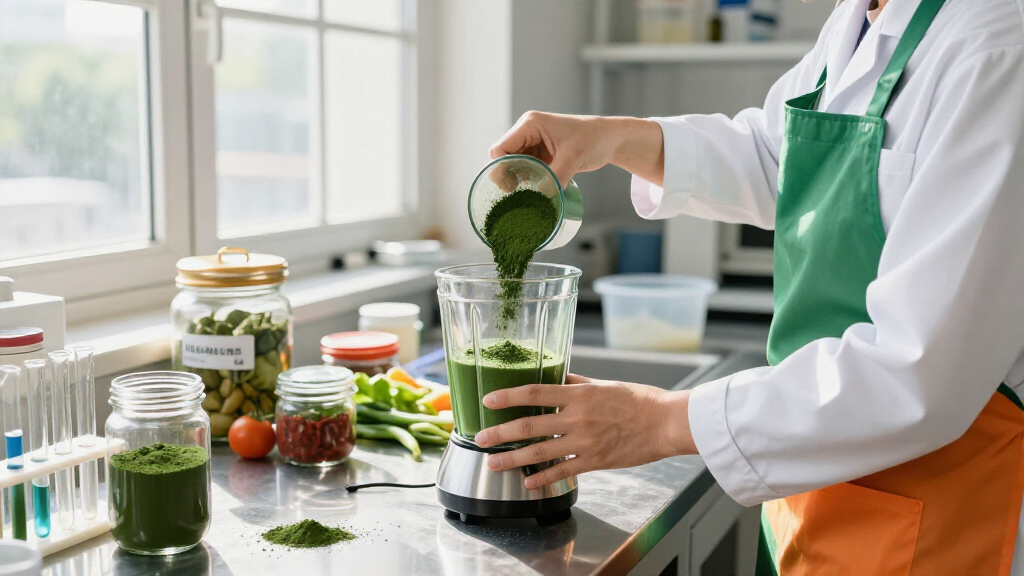
Researchers have announced a new sustainable method for cultivating spirulina, a type of blue-green algae, designed to serve as an eco-friendly source of vitamin B12. This development aims to address the global issue of vitamin B12 deficiency, which affects millions worldwide and is traditionally managed through animal products or supplements. The new approach could provide a plant-based, environmentally sustainable alternative, with potential implications for global nutrition and food security.
The research team, based at an undisclosed institution, has developed a cultivation process that reduces environmental impact while enhancing the bioavailability of vitamin B12 in spirulina. According to the lead scientist, this method involves optimizing growth conditions and nutrient inputs to maximize vitamin B12 content without reliance on synthetic additives or animal-derived ingredients. The process reportedly uses renewable energy sources and sustainable water management, positioning it as an environmentally conscious solution.
Initial laboratory tests indicate that the spirulina produced through this method contains measurable levels of vitamin B12, which is essential for nerve health, red blood cell formation, and DNA synthesis. Experts note that plant-based sources of vitamin B12 are limited, and deficiency can lead to anemia, neurological issues, and other health problems. The researchers emphasize that further clinical trials are necessary to confirm the bioavailability and effectiveness of this spirulina as a dietary supplement.
Potential Impact on Global Vitamin B12 Nutrition
This development could significantly influence how vitamin B12 deficiency is addressed worldwide, especially in vegetarian and vegan populations who often struggle to obtain adequate levels from plant-based diets. An environmentally sustainable, scalable source of vitamin B12 could reduce reliance on animal products and synthetic supplements, aligning with global efforts to promote sustainable food systems. If proven effective through further testing, this spirulina method might become a key component of future nutritional strategies and food fortification programs.
As an affiliate, we earn on qualifying purchases.
Rising Interest in Plant-Based B12 Alternatives
Vitamin B12 deficiency is a widespread nutritional concern, affecting an estimated 10-15% of the global population, particularly in regions with limited access to animal products or supplements. Traditionally, B12 sources are animal-derived, such as meat, dairy, and eggs, or synthetic supplements. The search for sustainable, plant-based alternatives has gained momentum amid increasing awareness of environmental impacts from animal agriculture and the rising popularity of plant-based diets. Previous efforts to produce B12 through fermentation or bacterial synthesis have faced challenges related to scalability and cost.
The recent surge in coverage and research interest appears to be driven by broader trends toward sustainable nutrition and food innovation, although specific details about this new spirulina method remain unconfirmed publicly. The trigger for this focus is an observed spike in search interest and coverage, but the exact origin of the development has not been disclosed, and it is still unclear whether it is at a commercial or experimental stage.
As an affiliate, we earn on qualifying purchases.
Unconfirmed Efficacy and Commercial Viability
While laboratory results show promising vitamin B12 levels in the cultivated spirulina, it is not yet confirmed whether the B12 is bioavailable when consumed as part of a typical diet. Clinical trials are still pending to verify absorption and health benefits. Additionally, details about the scalability of this cultivation method and whether it will be commercially available remain unclear. Experts caution that further testing is essential before broad recommendations can be made.
As an affiliate, we earn on qualifying purchases.
Next Steps: Clinical Trials and Scale-Up Testing
The research team plans to initiate clinical trials to assess the bioavailability and health impacts of their spirulina product. Simultaneously, efforts to scale up the cultivation process and evaluate cost-effectiveness are expected to follow. If successful, these steps could lead to the development of commercial products aimed at addressing B12 deficiency sustainably. Industry and health authorities will likely monitor these developments closely over the coming months.
As an affiliate, we earn on qualifying purchases.
Key Questions
How does this spirulina compare to traditional vitamin B12 sources?
Traditional sources include animal products and synthetic supplements. This new spirulina aims to provide a plant-based, sustainable alternative, but its effectiveness depends on clinical trial results confirming bioavailability.
Is this method ready for widespread use?
No, it remains in the research phase. Further testing and scale-up are necessary before it can be recommended for general consumption.
Could this development reduce reliance on animal-based B12 sources?
If proven effective, it could offer an eco-friendly alternative, potentially reducing dependence on animal products and lowering environmental impacts.
When might this spirulina become available commercially?
There is no specific timeline yet; it depends on the outcomes of ongoing trials and scalability assessments, which could take several years.
Are there any health risks associated with consuming this spirulina?
Health risks are not yet known, as the product is still under development. Regulatory approval and safety testing are required before market release.
Source: rss