TL;DR
Scientists have identified cellular factors that prevent the liver from fully healing after stopping alcohol consumption. This discovery sheds light on why some individuals experience ongoing liver issues despite abstinence, highlighting a new challenge in liver disease recovery.
Scientists have identified specific cellular mechanisms that may explain why the liver often fails to fully heal even after individuals stop drinking alcohol. This breakthrough, announced in recent research, highlights why some patients continue to experience liver damage despite abstinence, raising concerns about long-term liver health and disease management.
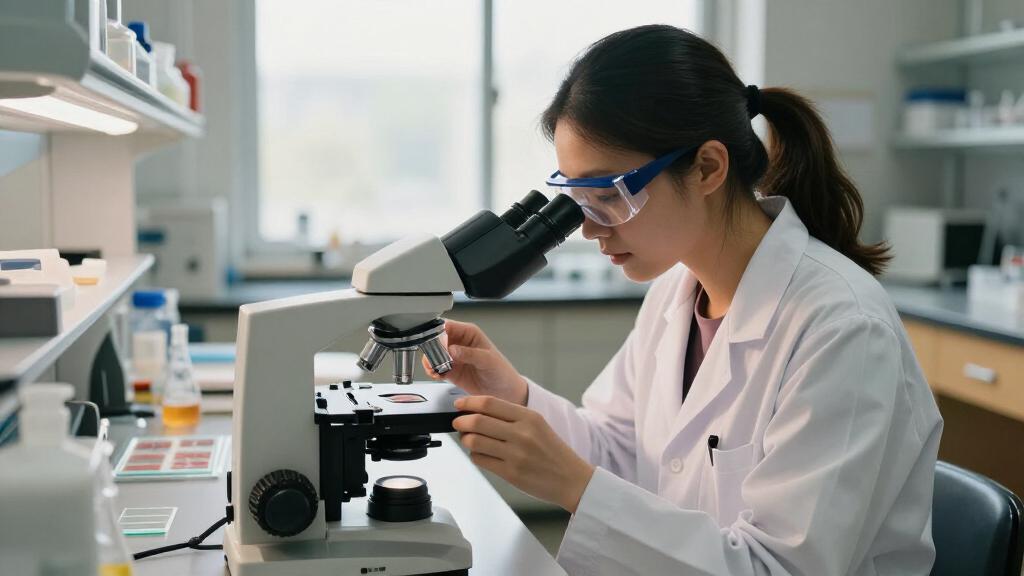
The research, conducted by a team of cellular biologists and hepatologists, focused on the behavior of liver cells known as hepatocytes and the surrounding immune cells. They found that after prolonged alcohol exposure, certain cellular pathways become permanently altered, impeding the liver’s regenerative capacity. Notably, the study identified persistent inflammation and fibrosis-related changes that do not resolve once drinking stops.
Specifically, the scientists observed that the activation of immune cells called hepatic stellate cells remains elevated even after alcohol withdrawal, promoting ongoing fibrosis or scarring in the liver tissue. This fibrosis can become irreversible, leading to chronic liver conditions such as cirrhosis, despite cessation of alcohol intake. The findings were published in a peer-reviewed journal, marking a significant step toward understanding the cellular basis of persistent liver damage.
While the study does not suggest immediate new treatments, it emphasizes the importance of early intervention and suggests that simply stopping alcohol may not be sufficient for full liver recovery in all cases. Researchers are now exploring targeted therapies to reverse or halt these cellular changes, aiming to improve outcomes for patients with alcohol-related liver disease.
Implications for Long-Term Liver Health
This discovery is significant because it explains why some individuals continue to suffer from liver problems even after stopping alcohol. It challenges the assumption that abstinence alone guarantees full recovery, highlighting a need for new treatment strategies. The findings could influence clinical approaches, encouraging earlier and more aggressive interventions to prevent irreversible damage. Additionally, the research underscores the importance of early diagnosis and monitoring in patients with alcohol-related liver disease, as cellular changes may be entrenched and less responsive to lifestyle changes over time.
As an affiliate, we earn on qualifying purchases.
Understanding Liver Damage and Repair Limitations
Liver damage from alcohol has long been recognized as a progressive condition, with early stages often reversible if alcohol consumption stops. However, in advanced stages, fibrosis and cirrhosis become difficult to treat. Prior studies have shown that liver regeneration relies on the ability of hepatocytes to proliferate and repair tissue, but the cellular and molecular mechanisms behind incomplete healing have remained unclear. Recent research efforts have focused on the role of immune cells and fibrosis in this process, with some evidence suggesting that chronic inflammation may perpetuate damage even after alcohol is eliminated.
This new study builds on those insights, providing concrete evidence that certain cellular pathways are permanently altered after prolonged alcohol exposure, explaining the stubborn nature of some liver damage. The findings come amid rising public health concerns about alcohol consumption and liver disease prevalence worldwide.
liver support supplement for fibrosis
As an affiliate, we earn on qualifying purchases.
As an affiliate, we earn on qualifying purchases.
Unanswered Questions About Liver Recovery
While the study identifies cellular pathways that hinder healing, it remains unclear whether these changes are reversible with targeted therapies or if they are permanent in all cases. The long-term effectiveness of potential treatments to reverse fibrosis or cellular alterations has not yet been established. Additionally, it is not yet confirmed how these mechanisms vary among individuals with different durations and intensities of alcohol use, or among those with co-existing liver conditions.
hepatoprotective herbal supplement
As an affiliate, we earn on qualifying purchases.
As an affiliate, we earn on qualifying purchases.
Next Steps in Liver Disease Research
Researchers plan to investigate potential drugs that can reverse or mitigate the cellular changes identified. Clinical trials may be initiated to test therapies aimed at reducing fibrosis and restoring liver function in patients with alcohol-related liver damage. Meanwhile, medical practitioners are advised to monitor patients closely even after alcohol cessation and consider early interventions to prevent irreversible damage. Public health initiatives may also focus on early detection and prevention strategies based on these new insights.
As an affiliate, we earn on qualifying purchases.
Key Questions
Can liver damage from alcohol be completely reversed?
Current evidence suggests that early-stage damage can be reversible with abstinence, but advanced fibrosis and cirrhosis may involve cellular changes that are difficult to fully reverse. Ongoing research aims to develop targeted therapies for these cases.What does this research mean for people who have stopped drinking?
It indicates that some liver damage may persist even after stopping alcohol, especially if the damage has become fibrotic. Medical monitoring and early intervention are important to prevent irreversible damage.Are there treatments to repair the liver after alcohol damage?
While no specific cures exist yet, researchers are exploring drugs that target cellular pathways involved in fibrosis and inflammation, which may improve recovery in the future.How soon might new therapies become available?
It is uncertain; clinical trials are needed to test these potential treatments, which could take several years before becoming widely available.What can individuals do to protect their liver health?
Limiting alcohol intake, maintaining a healthy diet, and seeking early medical advice if liver issues are suspected are key steps to prevent long-term damage.Source: rss