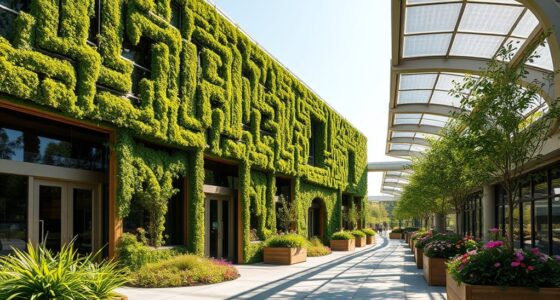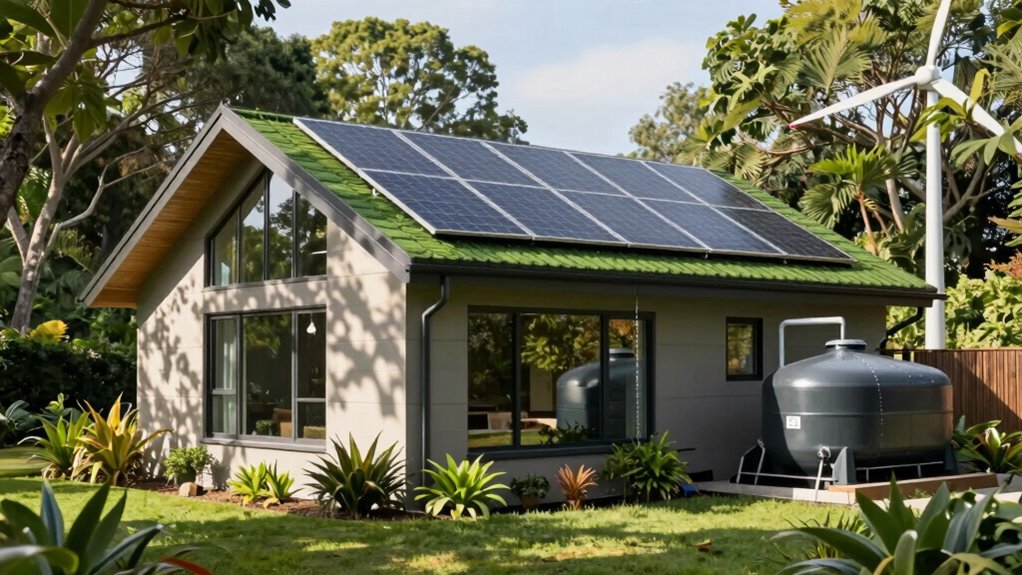

Sustainable homes prioritize energy efficiency through renewable energy sources like solar and wind, reducing your environmental impact. They also focus on water conservation by using low-flow fixtures, rainwater harvesting, and smart landscaping that minimizes outdoor watering. These homes are built with eco-friendly materials and incorporate technologies that promote resource conservation, helping you save money and create a healthier environment. If you want to discover more ways sustainable homes go beyond just looking good, keep exploring these essential features.

Get health and wellness essentials delivered free with Prime
- Fast, free delivery on millions of items
- Prime Video, Amazon Music and more included
- Member-only deals all year
Key Takeaways
- Integrating renewable energy sources like solar, wind, or geothermal systems to reduce environmental impact.
- Implementing water conservation strategies such as rainwater harvesting and low-flow fixtures.
- Using native or xeriscaping plants to minimize outdoor water and maintenance needs.
- Incorporating energy-efficient technologies to lower utility costs and enhance long-term sustainability.
- Prioritizing eco-friendly materials and sustainable building practices for healthier indoor environments.
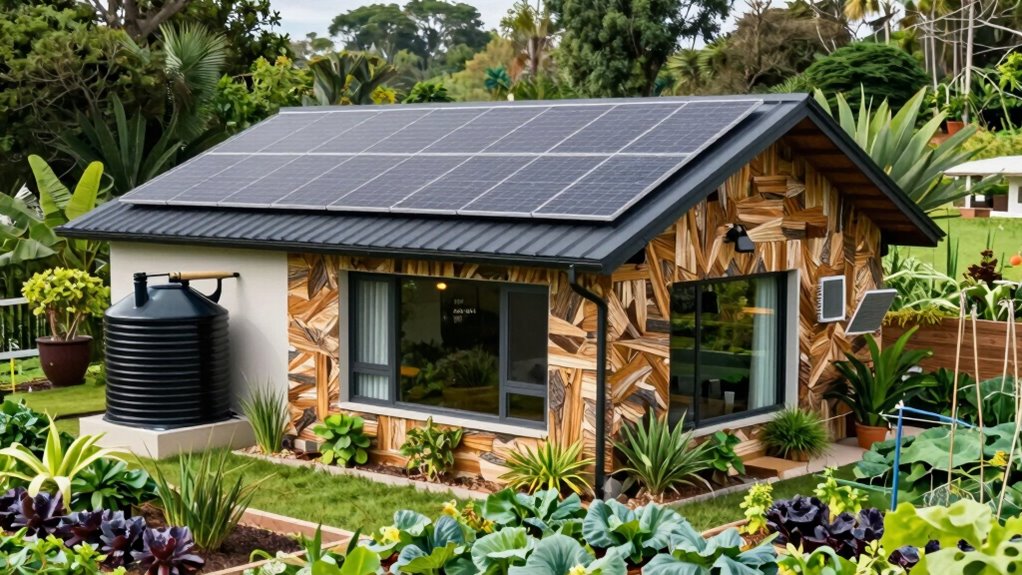
Have you ever wondered what truly makes a home sustainable? It’s more than just the visual appeal or trendy design elements; it’s about making choices that reduce your environmental impact and promote long-term efficiency. One of the key priorities is harnessing renewable energy. Instead of relying on traditional power sources that emit harmful greenhouse gases, you can install solar panels, wind turbines, or geothermal systems. These options allow your home to generate clean energy, decreasing your dependence on fossil fuels and lowering your carbon footprint. Not only does this contribute to a healthier planet, but it can also lead to significant savings on energy bills over time. Additionally, integrating renewable energy solutions can increase your property’s value and resilience against energy price fluctuations. By investing in renewable energy, you’re making a conscious decision to support a sustainable future and reduce your household’s environmental impact.
Water conservation is another critical aspect many sustainable homes prioritize. Water is a precious resource, and wasting it contributes to environmental degradation and increased utility costs. You can implement water-saving fixtures like low-flow toilets, aerated faucets, and showerheads to reduce consumption without sacrificing comfort. Additionally, collecting rainwater for outdoor use or installing greywater systems helps recycle water within your property. These practices not only conserve water but also lessen the strain on local water supplies, especially in areas prone to droughts. Thoughtful landscaping, such as xeriscaping or using native plants, minimizes the need for irrigation, further conserving water. Water efficiency measures can greatly enhance a household’s overall sustainability efforts and reduce reliance on municipal water sources. Incorporating water-saving technologies can further maximize conservation and efficiency. When you make water conservation a priority, you’re actively participating in the global effort to preserve this essential resource for future generations.
As an affiliate, we earn on qualifying purchases.
Frequently Asked Questions
How Do Sustainable Homes Improve Indoor Air Quality?
Sustainable homes improve indoor air quality by enhancing ventilation efficiency, which helps circulate fresh air and remove pollutants. You’ll notice better air quality because these homes often include energy-efficient ventilation systems, like heat recovery ventilators, that actively filter and exchange indoor and outdoor air. This reduces indoor pollutants, minimizes odors, and creates a healthier living environment, allowing you to breathe easier and enjoy improved overall well-being.
What Are the Long-Term Cost Savings of Sustainable Homes?
Like planting seeds for future growth, sustainable homes offer long-term cost savings through energy efficiency and water conservation. You’ll notice lower utility bills as smart insulation and energy-efficient appliances reduce energy use. Additionally, water-saving fixtures cut your water expenses. Over time, these savings accumulate, making your home more affordable and eco-friendly. Investing now means you enjoy financial benefits later while helping protect the environment.
How Does Location Influence a Home’s Sustainability?
Your home’s location greatly influences its sustainability by impacting energy efficiency and the integration of smart technology. If you choose a location with ample natural sunlight, you’ll reduce reliance on artificial lighting and boost solar energy use. Being near public transportation or amenities minimizes travel emissions. A strategic site allows for better insulation, passive heating, and cooling, making your home smarter, more efficient, and environmentally friendly overall.
Are Sustainable Materials More Durable Than Traditional Options?
Yes, sustainable materials often prove more durable than traditional options. You’ll find eco-friendly insulation that resists pests and mold, and renewable energy systems like solar panels that last decades with minimal maintenance. These materials are designed for longevity, reducing replacement costs and environmental impact over time. By choosing durable sustainable options, you guarantee your home remains functional and eco-conscious for years, making your investment both smart and environmentally responsible.
What Certifications Indicate a Truly Sustainable Home?
You might wonder what certifications reveal a truly sustainable home. Look for LEED, BREEAM, or Living Building Challenge labels—these signals of commitment to eco-friendly construction and renewable energy use. They indicate your home isn’t just beautiful; it’s designed with green principles, reducing environmental impact. Achieving these certifications shows you’re prioritizing sustainability beyond aesthetics, ensuring your home supports a healthier planet while offering long-term savings and comfort.
As an affiliate, we earn on qualifying purchases.
Conclusion
While sustainable homes often focus on eco-friendly materials and energy efficiency, don’t forget they’re also about creating healthier, more comfortable living spaces. Some might think prioritizing sustainability means sacrificing style or convenience, but that’s not true. When you choose sustainable features, you’re investing in a home that benefits the environment and your well-being. So, embrace the balance—your future self will thank you for making choices that are good for both the planet and your lifestyle.
As an affiliate, we earn on qualifying purchases.
energy-efficient ventilation system
As an affiliate, we earn on qualifying purchases.
As an affiliate, we earn on qualifying purchases.
Halloween Picks
halloween
As an affiliate, we earn on qualifying purchases.