

TL;DR
A headline-only report raises the question of whether popular health practices work or are mainly promoted through marketing. It provides no specific practices, evidence, expert comments or conclusions, so no individual health trend can be assessed from the available information.
A report headline asks which trending health practices work and which may be driven by clever marketing, but the available article information contains no examples, research findings or named sources. Without those details, it is not possible to verify or evaluate any specific wellness claim.

Get health and wellness essentials delivered free with Prime
- Fast, free delivery on millions of items
- Prime Video, Amazon Music and more included
- Member-only deals all year
The only confirmed detail is the report’s subject: health practices that have become trends and whether their popularity reflects demonstrated benefits or promotional claims. The headline does not identify the practices under discussion or explain how effectiveness was assessed.
No study, health authority, clinician or company is named in the available material. It also gives no data, dates, product claims or direct quotations. That means there is no factual basis here to say that a particular diet, supplement, device or routine works—or that it is merely marketing.
The distinction matters because a popular practice and an evidence-supported intervention are not automatically the same thing. But assessing that distinction requires specific claims and reliable evidence, neither of which is included in the information available for this report.
Consumer health · Evidence check
Health Is Trending: What Works, And What’s Just Clever Marketing?
The headline asks how popular health practices measure up. The available report details provide no examples, studies or conclusions, so no individual trend can be assessed.
01 / What is established
What the headline actually tells us
The subject is the gap between health practices that may offer demonstrated benefits and trends whose popularity may be driven by promotion. The details available do not tell us which practices the report covers or how it evaluates them.
Health trends and marketing
The headline frames a consumer-health question about effectiveness and promotional claims.
No practices are named
No diet, supplement, device or routine appears in the available report details.
No assessment is shown
There are no stated results, sources or conclusions to verify a claim.
A trend’s popularity alone does not establish that it works—or that it is merely marketing. A specific claim and relevant evidence are needed to make that distinction.
02 / Why evidence matters
From health claim to informed choice
Promotional language mistaken for proof can shape spending and wellbeing decisions. A fair assessment needs to connect a clearly stated claim to evidence that addresses the promised outcome.
A useful evidence check asks
- 1What exact practice or product is being discussed?
- 2What health outcome is claimed?
- 3What quality and type of research supports that outcome?
- 4Have independent health authorities reviewed the evidence?
What the available details contain
The report information provided includes no named studies, statistics, health-authority guidance, clinician comments or product claims. The bars below show what is present in the material, not the quality of any health trend.
03 / The path to a verdict
What would make the question answerable?
A substantive review would need the full report and evidence tied to the specific practices and outcomes it discusses.
Identify the practice
Name the specific trend, product or routine under review.
Define the claim
State the health outcome being promised or measured.
Review the evidence
Check relevant research and independent expert guidance.
Set the conclusion
Assess whether the evidence supports that claim and for whom.
04 / Claim boundaries
What can—and cannot—be concluded
The distinction is between the subject announced by the headline and findings that are not present in the supplied material.
Supported by the available details
Its headline asks about effectiveness and marketing.
The available details provide no answer or assessment.
Not established by the headline
No practice or supporting evidence is identified.
No company, product or marketing claim is described.
05 / Key questions
What readers can take away
Does the report identify any health trends that work?
No. The available headline-only details do not name practices or provide findings about effectiveness.
Does it identify products that are just marketing?
No products, companies or specific promotional claims are identified.
What evidence does the available report cite?
None is included: no studies, statistics, health-authority guidance or expert comments.
Can the headline guide a medical decision?
No. It raises a question, not a recommendation. Discuss changes to medical care with a qualified health professional.
Why Evidence Matters for Health Trends
Health trends can influence what people buy and the choices they make about their wellbeing. When promotional language is mistaken for proof, readers may spend money on a product or practice without knowing whether its claimed benefits have been tested. Conversely, dismissing a practice simply because it is fashionable would also go beyond the information available.
For readers, the practical takeaway is to treat broad claims cautiously until the underlying evidence is clear. A useful assessment would identify the exact practice, the health outcome being claimed, the quality of relevant studies, and whether independent health authorities have reviewed the evidence. No such assessment or conclusion is provided in the available report details.
This limitation is especially relevant for claims about preventing, diagnosing or treating health conditions. Decisions about personal medical care should be discussed with a qualified health professional, rather than based on advertising or a trend headline alone.
Products Worth Considering
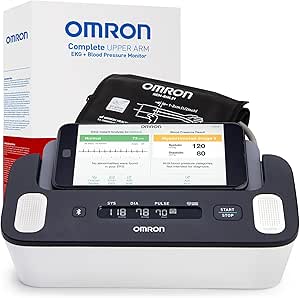
OMRON Complete 2-in-1 Upper Arm Blood Pressure Monitor with EKG

Oura Ring 4 Smart Ring, Silver, Size 8

Withings BeamO Contactless Smart Thermometer, ECG Monitor, and Digital Stethoscope
As an affiliate, we earn on qualifying purchases.
What the Headline Actually Establishes
The headline sets up a comparison between effective health practices and marketing-driven popularity. It signals a consumer-health topic, but does not establish that any particular trend has been tested, debunked or endorsed.
There is no extracted article body to provide a timeline, explain why the topic is being covered now, or summarize earlier developments. No specific products, services, organisations or public-health recommendations appear in the available information. Adding examples or naming experts would risk attributing claims that have not been supplied.
Accordingly, this report can describe the question raised by the headline, but cannot present a verdict on what works. The key distinction is between the report’s stated subject and findings that have not been made available.
Which Claims Remain Unverified
The article’s central question remains unanswered in the available details. It is unclear which trends are covered, what evidence the report reviews, and whether it reaches any conclusions about effectiveness or marketing.
There are also no named commentators, cited studies, statistics or product examples to check. The headline alone does not establish that a practice is effective, ineffective, misleadingly promoted or harmful. Those judgments would require the full report and evidence tied to specific claims.
The Evidence Needed for a Verdict
A substantive assessment would require access to the article’s full text, including the practices it discusses and the research or expert guidance it cites. Until those details are available, readers should not treat the headline as a recommendation or as a finding about any particular health trend.
For any trend that makes a health claim, the next step is to check what outcome is promised, whether credible evidence supports that outcome, and whether the claim applies to the reader’s circumstances. People considering changes to medical care should consult a qualified health professional. No further reporting or publication update is specified in the available information.
Source: rss
Key Questions
Does the report identify any health trends that work?
No. The available headline-only details do not name any practices or provide findings about their effectiveness.
Does it say which health products are just marketing?
No products or companies are identified, and no specific marketing claim is described or evaluated.
What evidence is cited in the report?
The available information includes no studies, statistics, health-authority guidance or expert comments.
Can readers use the headline as health guidance?
No. It raises a question rather than providing a recommendation. Readers making medical decisions should consult a qualified health professional.
Source: news.google.com