
Constraints often boost your creativity by sharpening your focus and removing distractions. They push you to think critically within boundaries, sparking inventive solutions that might never emerge with total freedom. Limits force you to work smarter, encouraging resourcefulness and strategic planning. These boundaries turn perceived barriers into opportunities for innovation, making your ideas sharper and more practical. Keep exploring, and you’ll discover how constraints can release your full creative potential.

Get health and wellness essentials delivered free with Prime
- Fast, free delivery on millions of items
- Prime Video, Amazon Music and more included
- Member-only deals all year
Key Takeaways
- Constraints focus creativity by narrowing options, preventing analysis paralysis and encouraging targeted problem-solving.
- Limitations stimulate innovative thinking by forcing individuals to work within boundaries, leading to unique solutions.
- Restrictions eliminate distractions, allowing for clearer focus and more refined, impactful ideas.
- Constraints foster strategic resourcefulness, pushing creators to maximize limited resources effectively.
- Limitations often challenge assumptions, inspiring novel approaches that might not emerge in total freedom.
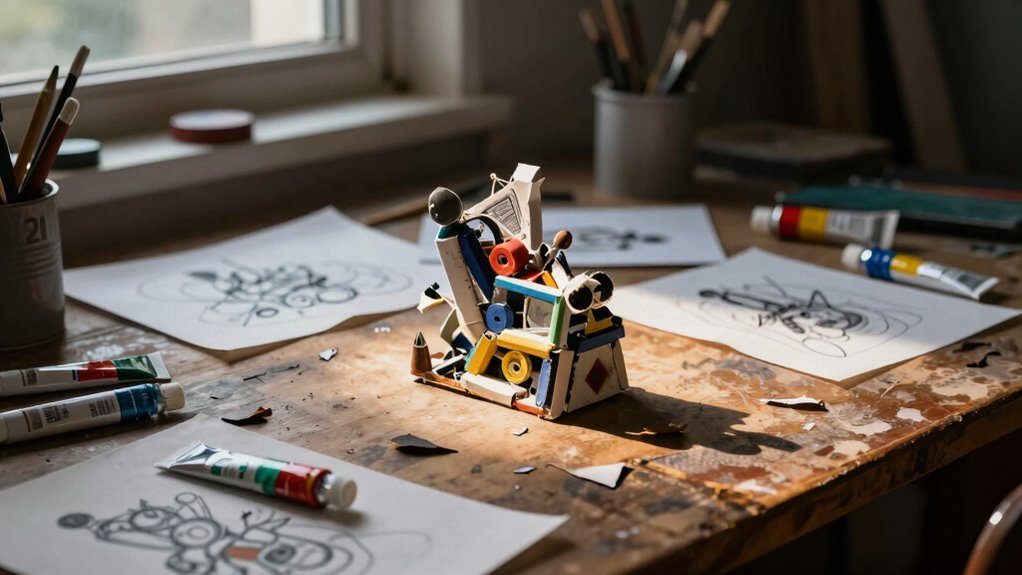
When you’re given complete freedom to create, it’s easy to feel overwhelmed or uninspired. Without boundaries, your mind can drift aimlessly, unsure of where to focus or what direction to take. That’s where creative limitations come into play. They act as a guiding framework, forcing you to think more critically about your options and encouraging structured innovation. For instance, working with a limited color palette or a strict word count can spark inventive solutions that might remain hidden in open-ended freedom. A low-voltage cutoff setting, for example, can help maintain the longevity and safety of a LiFePO4 battery by preventing over-discharge, illustrating how specific constraints can be beneficial. These boundaries challenge you to be resourceful, to stretch your thinking in ways you wouldn’t otherwise consider. For instance, working with a limited color palette or a strict word count can spark inventive solutions that might remain hidden in open-ended freedom. Creative limitations foster an environment where you’re encouraged to innovate within the confines, leading to more original and refined ideas. This process is a form of structured innovation, where deliberate constraints push you to explore new pathways, rather than drifting aimlessly in a sea of options. Additionally, incorporating landscaping techniques can help you create a cohesive outdoor space, emphasizing how constraints in design can enhance your overall vision.
Furthermore, constraints can also help control variables that might otherwise introduce unpredictable elements, such as microplastics in dust or other environmental factors, making your creative process more manageable and focused. They also serve as a form of problem framing, which helps you define clear challenges and target solutions more effectively. Moreover, constraints help prevent analysis paralysis, keeping your focus sharp and your efforts directed. When you’re not overwhelmed by endless choices, you can dedicate more energy to refining your ideas instead of second-guessing or overthinking. The clarity that comes from having clear boundaries allows your creativity to flow more smoothly. Paradoxically, the very act of limiting yourself can spark greater ingenuity because it removes the noise and distraction that often stifle original thinking. You learn to work smarter, not harder, and to see limitations as opportunities to innovate rather than barriers to progress. Recognizing creative limitations as a fundamental element of innovation can help you leverage them more effectively in your process.
In the end, constraints produce better ideas than freedom because they force you into a disciplined, strategic mindset. They encourage you to think deeply within the boundaries, leading to solutions that are both inventive and practical. Instead of waiting for inspiration to strike randomly, you set the stage for it through structured innovation. Whether it’s a project deadline, a set of rules, or resource limitations, these constraints shape your thinking, making your ideas sharper, more focused, and ultimately more impactful.
limited color palette art supplies
As an affiliate, we earn on qualifying purchases.
As an affiliate, we earn on qualifying purchases.
Frequently Asked Questions
How Do Constraints Influence Creativity in Different Industries?
Constraints influence your creativity across industries by setting creative limitations and defining innovative boundaries. These restrictions challenge you to think outside the box, pushing you to develop unique solutions rather than relying on endless possibilities. In design, for example, constraints foster originality within limits. Similarly, in tech or marketing, boundaries spark fresh ideas by forcing you to innovate within set parameters, ultimately leading to more inventive and impactful outcomes.
Can Too Many Constraints Hinder Innovative Thinking?
Yes, too many constraints can hinder your innovative thinking. When creative restrictions become overwhelming, they limit your ability to explore new ideas and push boundaries. Excessive innovation boundaries can cause frustration, reduce motivation, and stifle originality. To stay inventive, you need a balance—enough constraints to inspire focus, but not so many that they inhibit your creative flow. Find that sweet spot, and your ideas will flourish within those boundaries.
What Psychological Effects Do Constraints Have on Creators?
Constraints positively influence your psychological state by prompting mindset shifts, making you focus creatively within limits. They reduce risk perception, encouraging you to take bold steps you might avoid otherwise. Instead of feeling overwhelmed, you see constraints as opportunities to innovate, boosting your confidence. This shift helps you approach problems with fresh perspectives, fostering resilience and motivation, ultimately leading to more inventive ideas and solutions.
Are There Examples Where Freedom Outperformed Constraints?
Like a bird soaring freely, your ideas can sometimes flourish without creative boundaries. Freedom can lead to unbounded innovation, where limitations feel like shackles. For example, some artists or companies thrive by exploring unrestricted creativity, showing that limitless freedom can spark fresh perspectives. Yet, without constraints, you risk chaos and distraction. So, while freedom can outperform constraints, balancing both fuels sustained innovation and prevents creative chaos.
How Can Organizations Effectively Implement Constraints for Innovation?
To effectively implement constraints for innovation, you should set clear resource limitations and time restrictions that challenge your team. Encourage brainstorming within these boundaries, fostering creative problem-solving. Prioritize tasks to maximize impact, and regularly review progress to adapt constraints as needed. By doing so, you spark focused creativity, motivate efficient work, and often discover innovative ideas that wouldn’t emerge in unlimited freedom.
As an affiliate, we earn on qualifying purchases.
Conclusion
When you embrace boundaries, breakthroughs bloom. Constraints craft clever,creative concepts by compelling your mind to conquer limits. Freedom feels freeing, but it can foster fleeting thoughts and fuzzy focus. Instead, let limitations lead you to deliberate, daring designs. Constraints carve clarity from chaos, cultivating cleverness and confidence. So, seize the shape of restrictions—they shape your success, sparking sharper solutions, smarter strategies, and stronger, standout ideas. Constraints, after all, cultivate clarity and creativity.
battery low-voltage cutoff device
As an affiliate, we earn on qualifying purchases.
As an affiliate, we earn on qualifying purchases.
As an affiliate, we earn on qualifying purchases.
Fall Picks
fall essentials
As an affiliate, we earn on qualifying purchases.