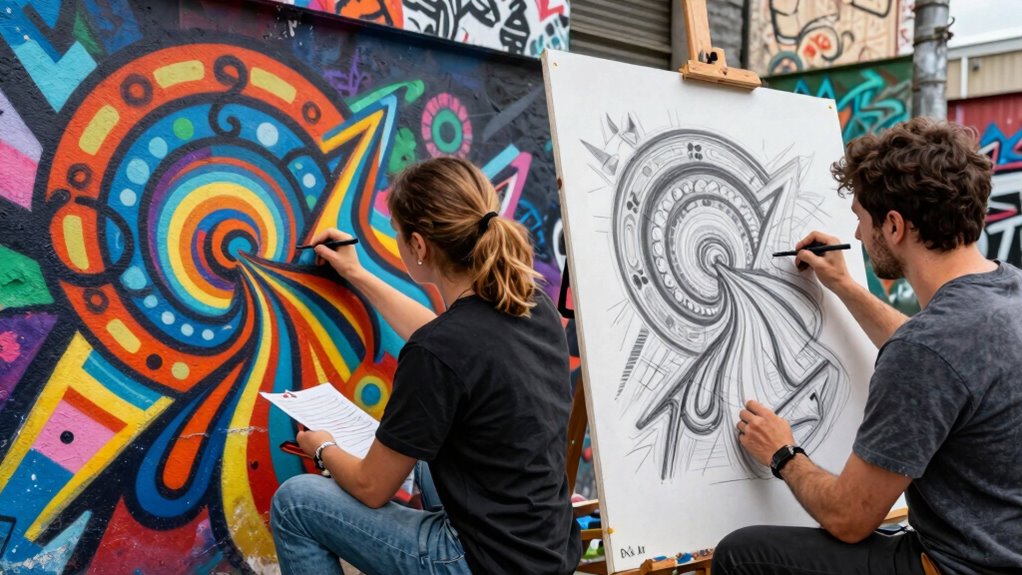

To spot the difference between inspiration and imitation, look for whether the work feels fresh and infused with the creator’s unique voice or if it simply copies surface details. Genuine inspiration builds on existing ideas with a personal touch, showing effort, thoughtfulness, and a clear purpose. Imitation, on the other hand, often lacks depth, originality, and emotion, seeming hollow or superficial. Keep exploring, and you’ll start to recognize subtle signs of true creative authenticity.

Get health and wellness essentials delivered free with Prime
- Fast, free delivery on millions of items
- Prime Video, Amazon Music and more included
- Member-only deals all year
Key Takeaways
- Look for signs of personal voice or unique perspective that indicate genuine inspiration.
- Observe if the work introduces new ideas or techniques rather than just copying surface details.
- Evaluate the depth and thoughtfulness—authentic inspiration often involves deliberate exploration.
- Notice emotional or intellectual resonance, which suggests meaningful engagement rather than superficial imitation.
- Assess how the work balances influence with individual expression, blending familiarity with originality.
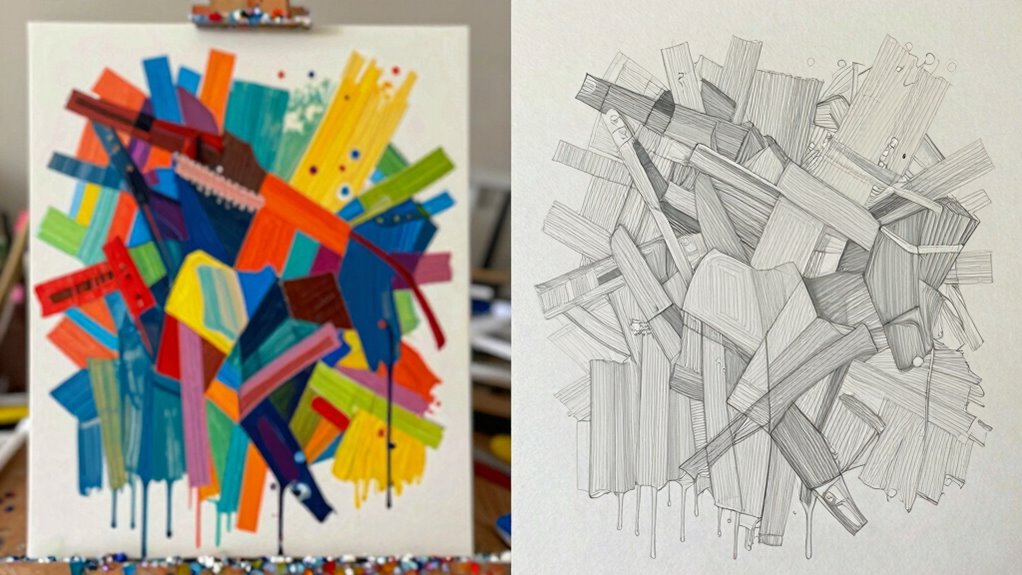
Have you ever wondered how to tell if someone’s work is truly original or just copied? It’s a common question, especially in a world where ideas spread rapidly and creative content is everywhere. To make that distinction, you need to understand the nuances of originality assessment and recognize the signs that point to genuine creative authenticity. When you’re analyzing a piece of work, look beyond the surface—consider the context, the intent, and the unique elements that set it apart from others. Originality isn’t just about avoiding plagiarism; it’s about bringing something new to the table, something that reflects authentic thought and effort.
Start by examining how the work responds to existing ideas. Inspiration often leads to work that feels familiar yet fresh, where the creator builds upon established concepts with a personal twist. Imitation, on the other hand, tends to mimic the surface details—specific phrases, visual styles, or structures—without adding any new perspective. When you assess originality, ask yourself if the creator has infused the work with their unique voice or viewpoint. Creative authenticity shows in the subtleties—an original work will often reveal individual quirks, distinct techniques, or innovative approaches that set it apart from mere copies.
Another key indicator is the depth of the work. Genuine originality usually involves more than just superficial changes; it demonstrates thoughtful exploration and a clear purpose. If a piece feels like a pale imitation, it might lack that depth, relying on borrowed ideas without much personal input. Conversely, authentic work often bears signs of struggle, experimentation, and refinement—elements that indicate the creator’s genuine engagement. When you’re doing an originality assessment, look for these signs. Authenticity isn’t about perfection but about a sincere attempt to contribute something meaningful, influenced by inspiration but rooted in individual creativity.
Furthermore, consider the impact and resonance of the work. Creative authenticity often evokes emotion or provokes thought because it’s rooted in genuine passion or insight. Imitative work may feel hollow or disconnected, as it’s primarily driven by a desire to replicate success rather than to express something authentic. When you analyze a work, think about whether it sparks your curiosity or feelings. This emotional or intellectual response can be a strong clue to its originality.
In the end, distinguishing inspiration from imitation requires a keen eye and a mindful approach. Recognize that real originality combines elements of influence with personal expression, resulting in work that’s both familiar and uniquely authentic. Use your judgment to identify the signs of creative authenticity, and you’ll become more confident in assessing whether a piece genuinely contributes something new to the world.
As an affiliate, we earn on qualifying purchases.
Frequently Asked Questions
Can Inspiration Lead to Unintentional Imitation?
Inspiration can sometimes lead to unintentional imitation, especially if you’re not mindful of your creative boundaries. During the originality debate, it’s easy to unknowingly replicate ideas or styles that influence you deeply. To avoid this, stay aware of your sources and confirm your work remains authentic. Recognizing the line between inspired work and imitation helps you maintain integrity and develop a unique voice, rather than copying what’s already been done.
How Do Cultural Differences Affect Perceptions of Imitation?
You might think imitation crosses borders, but cultural differences shape perceptions sharply. Ironically, what’s seen as a lack of authenticity in one culture can be celebrated as respectful homage elsewhere. Cultural symbolism influences whether imitation feels genuine or plagiaristic, impacting artistic authenticity. So, you must consider these diverse viewpoints before judging someone’s work—what feels like copying in one place could be revered as cultural exchange in another.
Is Copying Always Considered Unethical in Creative Fields?
Copying isn’t always unethical in creative fields, but it depends on the ethical boundaries you respect. If you’re genuinely inspired and add your unique twist, it fosters creative originality without crossing lines. However, outright imitation without acknowledgment breaches ethical standards and stifles innovation. To stay on the right side, always aim to honor the original work, use inspiration responsibly, and develop your own voice while respecting others’ contributions.
Can Inspiration Be Sustained Over Long Periods?
You can sustain inspiration over long periods if you embrace creative longevity and maintain motivational consistency. When you stay curious and open to new experiences, inspiration becomes a natural part of your process. Coincidences, like unexpected encounters or ideas, often spark renewed enthusiasm. Keep exploring different perspectives and practicing regularly, and you’ll find that your motivation stays high, allowing your creative fire to burn brightly over time.
How Do Legal Issues Differentiate Inspiration From Imitation?
Legal issues differentiate inspiration from imitation through intellectual property laws that protect artistic originality. When your work closely resembles another’s protected work, it risks infringement, indicating imitation. However, if you draw inspiration without copying specific elements, you maintain artistic originality and stay within legal bounds. To avoid trouble, guarantee your work transforms the original enough to be considered new and unique, respecting intellectual property rights.
As an affiliate, we earn on qualifying purchases.
Conclusion
So, next time you create or admire something, ask yourself: are you truly inspired or just imitating? Recognizing the difference helps you develop your unique voice and integrity. Inspiration fuels originality, while imitation can hinder your growth. Don’t settle for copying—strive to stand out and bring your own perspective to the table. After all, isn’t it more rewarding to be inspired than to merely imitate someone else’s success?
As an affiliate, we earn on qualifying purchases.
artistic technique reference book
As an affiliate, we earn on qualifying purchases.
As an affiliate, we earn on qualifying purchases.
Halloween Picks
halloween
As an affiliate, we earn on qualifying purchases.