
TL;DR

Get health and wellness essentials delivered free — and shop member deals
- Fast, free delivery on millions of items
- Access to Prime Big Deal Days deals on October 6–7
- Prime Video, Amazon Music and more included
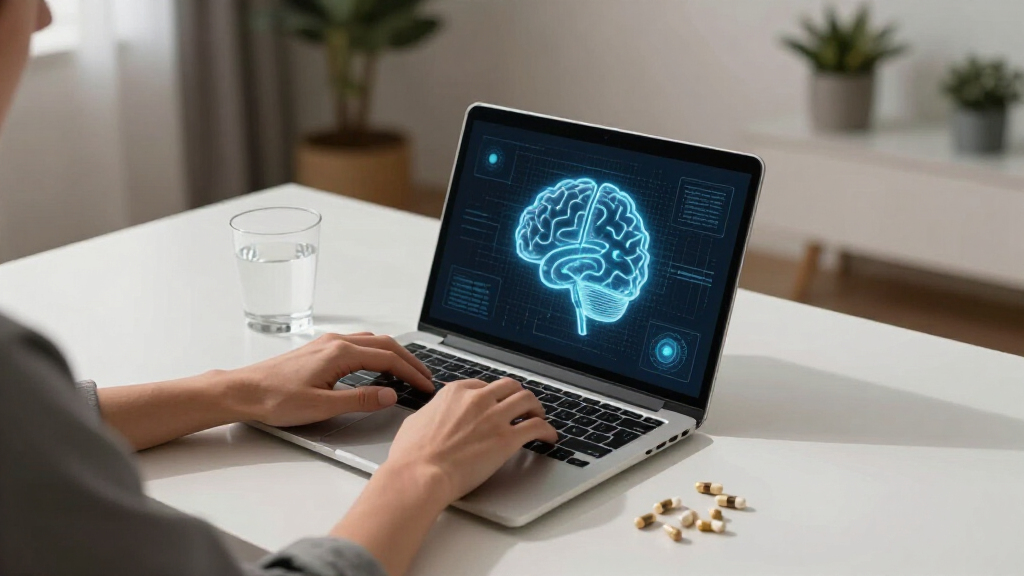
Recent scientific research is exploring whether creatine, a supplement commonly used for muscle building, can also enhance cognitive abilities. While some early findings suggest potential benefits, conclusive evidence is lacking. This development is of interest to both athletes and those seeking cognitive enhancement.
Recent research has investigated whether creatine supplementation can improve cognitive functions such as intelligence, memory, and mental clarity. While creatine is widely used for muscle performance, scientists are now exploring its potential effects on the brain. Current evidence does not definitively confirm that creatine makes people smarter, but some studies suggest possible benefits that warrant further investigation.
Multiple recent studies have examined the link between creatine intake and brain performance, with mixed results. A 2023 review published in the Journal of Cognitive Enhancement analyzed several small trials involving both healthy adults and individuals with cognitive impairments. Some participants showed improvements in memory and mental fatigue after creatine supplementation, while others showed no significant change.
Experts caution that most existing research has limitations, including small sample sizes and short durations. Dr. Lisa Chen, a neuroscientist at the University of California, stated, ‘While some early data are promising, we cannot yet conclude that creatine reliably enhances intelligence or cognitive function in healthy individuals.’ The supplement’s primary known effect remains on muscle energy metabolism, not cognition.
Potential Cognitive Benefits Could Impact Supplement Use
If future research confirms that creatine can improve mental performance, it could influence supplement recommendations and open new avenues for cognitive enhancement, especially in populations with cognitive decline or fatigue. However, as current evidence is inconclusive, consumers should approach claims cautiously and consult healthcare professionals before using creatine for brain health.
creatine supplement for cognitive enhancement
As an affiliate, we earn on qualifying purchases.
As an affiliate, we earn on qualifying purchases.
Limited Evidence and Ongoing Research on Creatine and Brain Function
Creatine is a naturally occurring compound stored in muscles and used to produce energy during high-intensity activities. It has been widely studied for athletic performance and muscle growth. In recent years, some researchers have hypothesized that because creatine supports cellular energy in the brain, supplementation might also boost mental functions.
Preliminary animal studies and small human trials have suggested possible cognitive benefits, but results have been inconsistent. The scientific community emphasizes the need for larger, more rigorous trials to determine if creatine can reliably enhance intelligence or other aspects of cognition in healthy individuals.
“While some early data are promising, we cannot yet conclude that creatine reliably enhances intelligence or cognitive function in healthy individuals.”
— Dr. Lisa Chen, neuroscientist
creatine monohydrate for brain health
As an affiliate, we earn on qualifying purchases.
As an affiliate, we earn on qualifying purchases.
Current Evidence Is Inconclusive and Requires Further Study
It remains unclear whether creatine supplementation can consistently improve intelligence or cognitive performance in healthy people. Most existing studies are small and short-term, making it difficult to draw definitive conclusions. Researchers emphasize the need for larger, controlled trials to verify any potential benefits.
As an affiliate, we earn on qualifying purchases.
Upcoming Large-Scale Trials to Clarify Creatine’s Cognitive Effects
Researchers plan to conduct more comprehensive, long-term studies involving diverse populations to assess whether creatine can truly enhance mental functions. These trials aim to provide clearer evidence that could influence clinical recommendations and supplement guidelines.
creatine for memory and mental clarity
As an affiliate, we earn on qualifying purchases.
As an affiliate, we earn on qualifying purchases.
Key Questions
Does creatine improve intelligence in healthy people?
Currently, there is no conclusive evidence that creatine reliably enhances intelligence in healthy individuals. Most studies show mixed results, and more research is needed.
Can creatine be used as a cognitive enhancer?
While some preliminary research suggests potential benefits, creatine is not officially approved or recommended solely for cognitive enhancement. Consult a healthcare provider before considering it for this purpose.
Are there risks to taking creatine for brain health?
Creatine is generally considered safe when used as directed, but its effects on cognition are not well established. Potential side effects and interactions should be discussed with a medical professional.
How soon might we see definitive results from ongoing studies?
Large-scale, long-term trials are expected to take several years. Results are unlikely before 2025 or 2026, depending on study progress.
Source: hn
Halloween Picks
halloween
As an affiliate, we earn on qualifying purchases.