
TL;DR
Home wellness devices are consumer products designed to help you track selected health measures, support comfort, or build routines at home. Their readings can reveal patterns, but accuracy, intended use, privacy, and ongoing costs vary, so treat a score as information—not a diagnosis or a replacement for professional care.
A watch can log your sleep all night and still get the story wrong. Home wellness devices can make health habits easier to notice, but a tidy graph is not the same as a medical answer.
These consumer products range from thermometers and air-quality monitors to smart scales, wearables, and massage tools. Here’s how to tell what a device can actually do, what to check before buying, and how to use its readings without letting an app run your day.
Define the question you want answered before choosing a device.
Check the exact product’s intended use and relevant validation; collecting a reading does not make it diagnostic.
Look for patterns with consistent measurement conditions instead of reacting to one score.
Count subscriptions and replacement parts in the total cost, and check privacy and deletion controls.
Use device readings as supporting information, and ask a qualified professional about medical decisions or concerning results.
Know What a Home Wellness Device Can—and Cannot—Tell You
Home wellness devices are consumer products designed to help you monitor selected health measures, support comfort, or build everyday routines at home. They include simple tools such as thermometers and air-quality monitors, along with connected wearables, smart scales, sleep trackers, and light-therapy products. The label describes a broad category, not a promise that every product measures well.
A basic thermometer gives you a temperature reading; a fitness band estimates activity from its sensors. Those jobs sound similar, but each device uses different methods and may have different limits. A thermometer measures temperature directly, while a band may infer activity from movement and an algorithm. That distinction matters: inferred measures can be useful for comparing your own patterns, yet may be less dependable as an exact count or comparison with someone else. Think of a reading like a weather forecast: useful for planning, but not a guarantee of what will happen at your front door.
Some products are cleared or approved for particular medical uses, while many are intended only for general wellness. A device’s ability to display a number does not automatically make that number suitable for diagnosis. Validation is specific to the product, measurement, and use; evidence for one model or purpose does not necessarily transfer to another. If you’re considering a device for a health condition, check its stated intended use and ask a qualified health professional which measurements, if any, fit your situation.
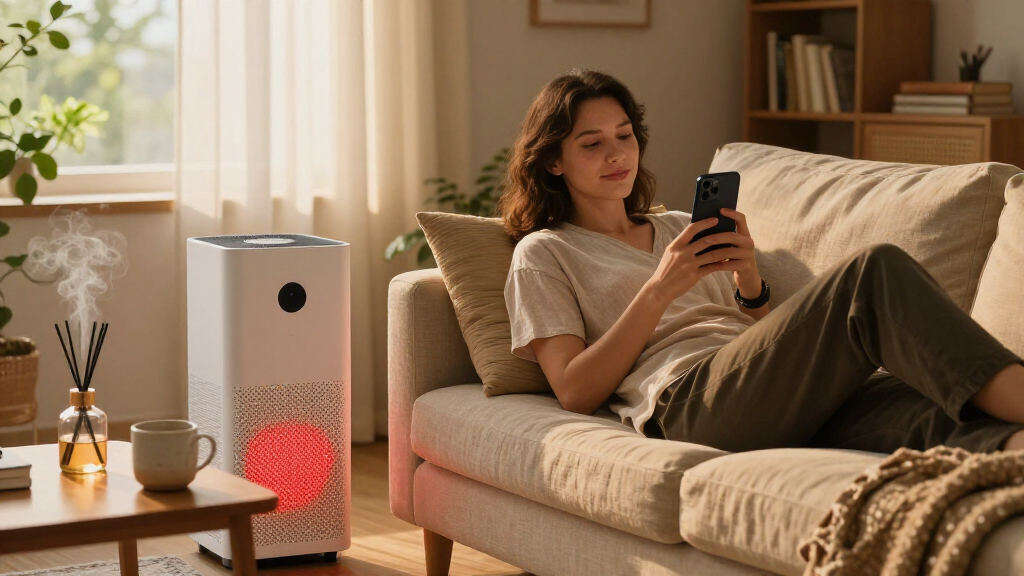
For example, a person buying an air-quality monitor to check a stuffy home has a different need from someone tracking a medical condition. The first may want room-by-room trends; the second may need a clinically validated device and guidance on interpreting results. A monitor that reliably shows changes in a room may still not identify their cause or indicate what treatment is needed. Start with the question you want answered, then see whether the product is designed to answer it—and whether its level of precision is enough for the decision you plan to make.
Read Patterns, Not Just the Latest Score
Home wellness devices are most useful when repeated readings help you spot a pattern over time, rather than react to one isolated score. Measurements can shift with setup, timing, movement, fit, and ordinary day-to-day variation. A graph may look precise while hiding those messy details. Looking for a pattern can reduce the influence of one unusual reading, but it cannot correct a consistently poor fit or an unreliable measurement method.
Imagine your sleep tracker reports a poor night after you slept in a guest room with the band loose on your wrist. That result could reflect the sensor fit, your changed routine, or a genuinely restless night. One score alone cannot tell you which explanation is right. If the same pattern continues across nights when the band fits properly and your routine is similar, it may be more useful as a prompt to examine sleep habits. It still cannot establish why your sleep changed.
Use the same method when a reading matters: follow the manufacturer’s instructions, measure under similar conditions, and note what was happening around the measurement. For instance, if you are logging activity, compare ordinary weekdays with ordinary weekdays instead of judging a quiet Sunday against a busy workday. Consistent context makes trends easier to understand because it reduces the chance that a change in setup or routine will look like a change in your health. If conditions differ, record that difference rather than treating the readings as directly comparable.
A useful reading starts a better question; it does not always finish the conversation.
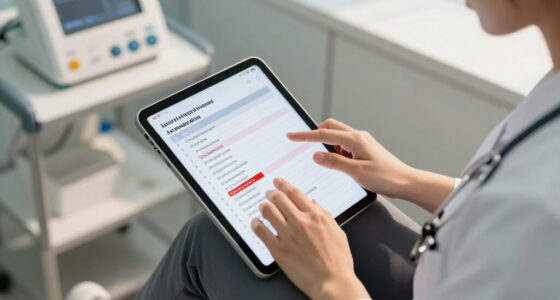
Apps may turn measurements into readiness scores, sleep grades, alerts, or tailored suggestions. These summaries can make data easier to act on, but they also compress assumptions and uncertainty into a simple label. Treat those features as guidance, not medical diagnosis, unless the specific product has authorization for that purpose. If an alert concerns you, conflicts with how you feel, or could affect a medical decision, speak with a qualified professional rather than relying on an app alone. The right response depends on the measurement and your situation, so a generic score should not decide it for you.
Check These Five Things Before You Buy
Before buying a home wellness device, check what it measures, how it was validated, what it costs to keep using, whether it fits your needs, and what happens to your data. A polished app cannot make up for unclear claims or a poor fit. A little research now can save you from a drawer full of unused gadgets—and from assuming that a feature-rich product is necessarily more useful.
- Match the device to your question. If you want to check room conditions, look at an air-quality monitor’s listed measurements; if you need a health reading for a medical purpose, ask a qualified professional what type of device is appropriate. The more consequential the decision, the more important it is to know that the device is intended and supported for that specific use.
- Look for evidence about that product and use. Search for independent testing or research relevant to the exact model and measurement, not just testimonials or broad claims about a product category. Evidence can help you understand how a device performs under particular conditions; it does not guarantee that every reading will be right in your home or for your needs.
- Read the full cost. Add up subscriptions, replacement sensors, filters, cuffs, batteries, and other recurring expenses. A low-cost device may become a pricey habit if essential features sit behind a monthly fee. Consider whether the features you will actually use remain available over time, since a subscription can change the value of the purchase even if the hardware works well.
- Try the daily routine on paper. Check fit, setup, readability, battery life, language support, and accessibility. A hard-to-read screen or fussy setup can turn a promising tool into a nightly chore. The best measurement has little practical value if the process is uncomfortable or difficult enough that you stop using it.
- Inspect the privacy settings. Find out what the device collects, where it is stored, who it is shared with, and whether you can delete it. This helps you weigh convenience against control: cloud storage and connected features may make data easier to review, while creating more places where sensitive information is held.
Picture comparing two sleep trackers at a shop: one offers a long list of scores and a paid coaching plan; the other records a simpler sleep estimate and shows the battery life and subscription terms plainly. Which one fits depends on your goal and budget. If you mainly want to notice broad changes, extra scores may add complexity without changing what you do. Compare the measurement, evidence, ongoing cost, and data practices, not the number of features alone.
Balance Convenience Against Privacy, Cost, and Comfort
Connected home wellness devices can bring several measurements into one app, but convenience often comes with tradeoffs in privacy, cost, and daily effort. Wearables and home monitors may track activity, heart rate, sleep, or room conditions, then pass readings through phone apps and cloud services. More data can create a fuller picture, but it can also create more noise and more information to manage. A broader record is useful only if the added detail helps you make a decision or maintain a routine.
Check whether the product works without a subscription, and what features stop if you cancel. Read the privacy policy and app settings before linking a device to other services. You might be comfortable sharing activity data for coaching, but not want location or sleep details shared with third parties. These choices affect more than privacy in the abstract: they determine who can access your information and whether you can keep using the product on your terms if a service changes.
Comfort matters just as much as the sensor. If a wristband pinches, a display is too small to read, or an app does not support your language, you may stop using it. That creates a practical tradeoff: a technically capable device can provide less value than a simpler one if it interrupts your day or is difficult to use consistently. A simple device you can use consistently is often more practical than one packed with features you never open.
Consider a household choosing a smart scale. The family may value trend tracking, yet prefer to keep each person’s profile private and skip a paid plan. In that case, user controls and clear sharing settings may matter more than another graph. If profiles are difficult to separate or the features they want require a subscription, the apparent convenience may come at a cost the household does not accept. Your best choice depends on who will use the device and what information they want it to retain.
Use Readings as Support, Not as a Substitute for Care
Home wellness devices can support everyday routines, but they should not replace prescribed treatment, urgent medical care, or professional advice. A device can produce false reassurance or needless worry, especially when you treat a single unexpected result as a final answer. Use it for the purpose it was designed for. This boundary matters because an inaccurate or misunderstood reading can change what you do: you might delay seeking help or respond to a harmless fluctuation as if it were a diagnosis.
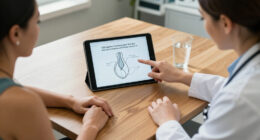
If a reading seems unusual, first check the instructions and repeat the measurement only as directed. Note the time, conditions, and how you feel. If it remains concerning, conflicts with your symptoms, or affects a treatment decision, contact a qualified health professional for guidance. Sharing the circumstances alongside the number can help the professional judge whether the reading is relevant and whether another measurement or assessment is needed.
For instance, a person might notice that a home monitor gives inconsistent readings after they move it between rooms. The sensible next step is to check placement and instructions, then ask a professional whether the device is appropriate for the decision at hand. Do not delay urgent care because an app shows a reassuring color or score. An app cannot account for every symptom or context, and its reassuring summary does not rule out a problem that needs timely attention.
These products are designed to help people monitor health or build everyday wellness routines at home, but useful support is not the same as medical oversight. Keep a device if it helps you make a sustainable habit or ask a clearer question. Let a qualified professional guide medical decisions.
Frequently Asked Questions
Are home wellness devices the same as medical devices?
No. Some products are cleared or approved for specific medical uses, while many are sold for general wellness. Check the exact product’s intended use and consult a qualified health professional if you need a device for a medical decision.
How accurate are sleep trackers and smart scales?
Accuracy varies by product, measurement, and how you use the device. A tracker’s scores can help you notice trends, but they may not match a clinical assessment; check independent evidence for the specific model and use.
Can a wellness device diagnose a health problem?
A wellness reading alone does not establish a diagnosis. Some devices have authorization for particular medical purposes, but you should check the intended use and ask a qualified professional how to interpret a concerning result.
What should I check about a connected device’s privacy?
Review what information it collects, where the company stores it, who may receive it, and whether you can delete it. Also check which features require an account or subscription before you connect the device to other apps.
What should I do if a reading seems abnormal?
Follow the device instructions and repeat the measurement only as directed, noting the conditions and how you feel. If the result remains concerning, conflicts with your symptoms, or could affect treatment, contact a qualified health professional; seek urgent care when needed.
Conclusion
Choose a device that answers a clear question, fits your day, and earns your trust with transparent evidence and data practices. Let its readings be a small lamp on the path—not the person steering you down it.