
Home wellness devices often promise recovery and relief, but the choice between a red light therapy panel and a percussion massage gun comes down to what you want the device to do. A panel delivers light to a broad area while you sit or stand nearby; a massage gun applies pressure directly to a chosen muscle. The difference matters: massage guns make more sense for people who want a portable tool for short, targeted sessions, while a panel may suit someone interested in passive light exposure and willing to follow a consistent routine despite less settled evidence for many advertised benefits. Neither replaces medical care, and neither is a universal fix for pain or recovery.

Get health and wellness essentials delivered free with Prime
- Fast, free delivery on millions of items
- Prime Video, Amazon Music and more included
- Member-only deals all year
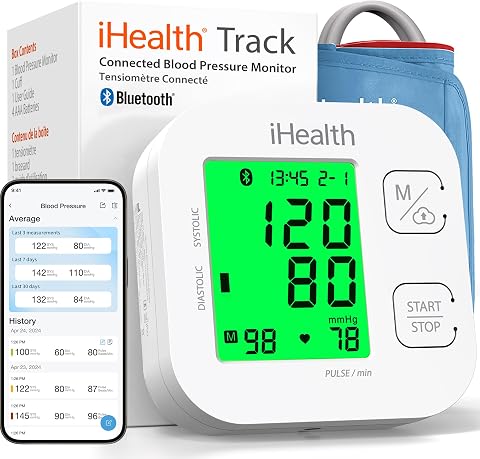
iHealth Track Smart Upper Arm Blood Pressure Monitor with Wide-Range Cuff
- ✔ Measurement: Upper-arm blood pressure
- ✔ Display: Large, multicolor backlit display
- ✔ On-device memory: Up to 99 readings

LifePro LumiCure Red Light Therapy Torch
- ✔ Device type: Handheld light therapy torch
- ✔ Light type: Red and near-infrared
- ✔ Wavelength count: Three; individual wavelengths not specified

INIA Body Sculpting and Recovery Device with Core, Legs, and Arms Modes
- ✔ Features: Warming heat, vibration massage, red light
- ✔ Modes: Core, Legs, Arms
- ✔ Head design: Curved three-electrode head
At a Glance
| Criteria | Red light therapy panels | Percussion massage guns | Winner |
|---|---|---|---|
| Primary use | Passive red or near-infrared light exposure; intended uses vary by device and claim. | Targeted percussive massage for muscle tightness and post-exercise soreness. | Depends |
| Evidence and expectations | Evidence varies by condition and device; benefits should not be assumed from broad marketing claims. | May offer short-term relief for some users; it does not diagnose or treat the underlying cause of pain. | B |
| Session style | Hands-free sessions, often requiring repeated use over time. | Brief, hands-on sessions with direct control over pressure and placement. | B |
| Target area and precision | Can cover a broader area, depending on panel size and distance. | Precise treatment of accessible muscle groups; awkward on some body areas without help. | A |
| Portability and storage | Usually bulky; requires a dedicated space and power access. | Compact and easy to carry, though weight and attachments vary. | B |
| Typical cost and value | Often a larger upfront purchase; value depends on regular use and credible, specific goals. | Generally less expensive than a full-size panel; useful if it serves a regular recovery routine. | B |
| Safety and ease of use | Follow device guidance, protect eyes when directed, and check with a clinician for relevant conditions or medications. | Use light pressure and avoid bones, injuries, sensitive areas, and medical conditions where percussion may be unsuitable. | Depends |
iHealth Track Smart Upper Arm Blood Pressure Monitor with Wide-Range Cuff
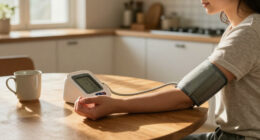
For a home wellness device with a specific, trackable purpose, the iHealth Track is the most clearly defined option in this lineup. Its large, color-coded backlit screen and two-button operation make the reading process easy to understand from the listed features, while memory for up to 99 readings lets us keep a local record without immediately reaching for a phone. Bluetooth syncing adds a longer-term record in the app, but that convenience depends on a compatible smartphone and operating system.Compared with the LumiCure and INIA, this is the only product here designed to measure a health metric rather than provide a light or massage session. That makes it the most practical choice for buyers who want routine tracking, not a general relaxation tool. The wide-range cuff is specified for upper arms measuring 8.7 to 16.5 inches, so fit is a concrete check to make before buying. It runs on four AAA batteries, and the listing states a 12-month warranty.The tradeoff is that this device is less flexible as a wellness purchase: it addresses blood pressure monitoring, and its app features require compatible hardware and software. Its alert for detected heart rhythm disturbances is a device feature, not a substitute for professional interpretation. Buyers who want targeted light or massage should look to the other two picks; buyers who want a defined measurement routine will find the iHealth’s stated controls and recordkeeping easier to assess.
Pros:
- Large, multicolor backlit display with two-button operation
- Stores up to 99 readings on the device
- Can sync readings to compatible iOS and Android apps
- Includes a wide-range cuff and four AAA batteries
Cons:
- App syncing requires compatible operating system versions and Bluetooth 4.0 or later
- Cuff fit is limited to upper arms measuring 8.7–16.5 inches
- A detected rhythm disturbance alert should not be treated as a diagnosis
Best for: People who want a clearly specified upper-arm blood pressure monitor with on-device history and optional smartphone syncing.
Not ideal for: Buyers seeking a relaxation, massage, or light therapy device, or anyone whose upper-arm measurement falls outside the stated cuff range.
Bottom line: Choose the iHealth Track when our home wellness priority is organized blood pressure tracking with clearly stated fit and setup details.
“Choose the iHealth Track when our home wellness priority is organized blood pressure tracking with clearly stated fit and setup details.”
LifePro LumiCure Red Light Therapy Torch
The LifePro LumiCure is the natural choice when we want a small, handheld device for targeted light sessions. Its red and near-infrared light setup uses three wavelengths, and the wrist strap plus zippered case make it easier to carry or store than the larger, body-contact approach of the INIA. A simple button control also keeps the stated operation uncomplicated.Its role is narrower than the iHealth Track’s: the iHealth records readings over time, while LumiCure is intended for a directed session on a chosen area. Compared with the INIA, it appears more portable and less involved in setup, but it does not offer heat, vibration, or multiple body-area modes in the supplied description. Buyers who prefer a compact, focused tool may value that simplicity; those wanting a more hands-on massage routine may find INIA’s feature mix more relevant.There are meaningful information gaps. The description does not name the three wavelengths, provide dimensions, or say how the torch is powered or how long it runs between charges or battery changes. That makes it difficult to compare its light specifications or plan session logistics. We would choose it for the carrying case, targeted handheld format, and stated red-plus-near-infrared approach, while skipping it if exact wavelength data or detailed power information is essential to our decision.
Pros:
- Handheld design supports targeted use
- Combines red and near-infrared light across three wavelengths
- Includes a wrist strap and zippered carrying case
- Simple button control
Cons:
- The listed description does not specify the wavelengths
- Dimensions are not provided
- Power source and battery details are not provided
Best for: People looking for a portable handheld red and near-infrared light device for targeted home sessions.
Not ideal for: Buyers who need named wavelength specifications, known dimensions, or clear battery and runtime details before choosing.
Bottom line: The LumiCure is our compact light pick when portability matters more than detailed technical specifications or massage features.
“The LumiCure is our compact light pick when portability matters more than detailed technical specifications or massage features.”
INIA Body Sculpting and Recovery Device with Core, Legs, and Arms Modes
The INIA Body Sculpting and Recovery Device is the lineup’s most massage-oriented pick. It combines warming heat, vibration, red light, and a curved three-electrode head, with Core, Legs, and Arms modes for use on areas such as the waist, abdomen, arms, thighs, and calves. Its design is meant to glide over skin with body massage oil, so the included oil is part of the described routine rather than an incidental extra.Compared with the LumiCure, INIA offers a broader set of contact-based features and named modes, which may suit someone who wants one device for several body areas. The LumiCure is the more portable, straightforward light option; it does not describe massage or heat. Compared with the iHealth Track, INIA is a hands-on care tool rather than a recordkeeping device, so its value depends more on whether we want to make time for a massage routine.The breadth comes with practical tradeoffs. We need body massage oil for the described gliding experience, and the product information does not state the power source or battery life. The listing also describes contouring support, but does not provide outcome evidence or technical details that would let us assess results. Choose INIA for the combination of massage sensations and area modes; skip it if we want a low-maintenance device, precise specifications, or a measurement tool.
Pros:
- Combines warming heat, vibration massage, and red light
- Offers Core, Legs, and Arms modes
- Curved three-electrode head is shaped for body contours
- Includes body massage oil for the described glide
Cons:
- The described gliding use requires body massage oil
- Power source and battery life are not specified
- The description does not establish contouring outcomes
Best for: People who want a body massage device with heat, vibration, red light, and modes for several body areas.
Not ideal for: Buyers who do not want to use massage oil, prefer a compact light-only tool, or need power and runtime details before purchasing.
Bottom line: Choose INIA when we want a multi-feature massage routine across several body areas and are comfortable with oil-based use.
“Choose INIA when we want a multi-feature massage routine across several body areas and are comfortable with oil-based use.”
As an Amazon Associate we earn from qualifying purchases.
Key Differences
The biggest difference is how directly each device connects to a specific need. A massage gun is a mechanical tool: you can place it on a tight muscle, adjust pressure, and stop when the area feels uncomfortable. Many users seek temporary relief or a short massage after exercise. That immediate, targeted control is its main advantage, though it can be awkward to reach the back and easy to overdo.
A red light panel is a less direct purchase. It exposes an area to red or near-infrared light, and the possible benefits depend on the device, its output, the intended use, and the evidence for that particular claim. A large panel can illuminate a broader area without physical contact, but it asks for space and consistent sessions. Buyers should be wary of claims that leap from a narrow use case to broad promises about sleep, energy, pain, skin, or whole-body health.
For most shoppers who want a practical recovery aid, a massage gun is the easier value to justify: it is portable, comparatively straightforward to use, and its purpose is clear. A panel is a more specialized choice for someone with a defined reason to use light therapy, a suitable setup, and realistic expectations. When persistent pain or a medical condition is the real concern, a clinician’s advice is more useful than either device.
Detailed Comparison
Primary use (major difference)
A panel provides light exposure over an area, while a massage gun applies percussive pressure to a selected muscle. There is no universal winner: the massage gun fits muscle tightness and post-workout soreness; the panel fits users specifically seeking light therapy. The practical difference is substantial because they address different routines and goals.Evidence and expectations (Percussion massage guns wins — moderate)
Massage guns are commonly used for temporary, localized muscle relief, though they do not resolve the cause of ongoing pain. Evidence for red light therapy varies by condition and device, so sweeping wellness promises deserve skepticism. B has the clearer everyday use case, a moderate advantage for buyers who want a tangible, immediate tool.Session style (Percussion massage guns wins — moderate)
A panel allows hands-free exposure, but users need to position themselves correctly and repeat sessions according to the device instructions. A massage gun requires active handling but gives direct feedback and lets users move between muscles. B wins by a moderate margin for short, flexible sessions; A wins for users who specifically prefer a passive routine.Target area and precision (Red light therapy panels wins — moderate)
A panel can illuminate a wider area at once, although coverage depends on its size and setup. A massage gun is more precise on accessible muscles, but reaching the back can be difficult. A has a moderate edge for broad, hands-free coverage; B is more useful when the user wants to focus on one muscle.Portability and storage (Percussion massage guns wins — major)
Massage guns are generally compact enough to carry or store in a drawer, though models differ in weight. Panels need more room and a place to stand or mount. B wins clearly for travel, small homes, and people who do not want a permanent wellness setup.Typical cost and value (Percussion massage guns wins — moderate)
A full-size panel often costs more upfront and earns its place only if the buyer has a specific use and will follow the routine. Massage guns are usually a lower-cost entry into home recovery and can serve a clear, recurring purpose. B is better value for most general shoppers; A can justify the premium for a committed light-therapy user with realistic expectations.Safety and ease of use (moderate difference)
Neither device is automatically suitable for every person. Panels require attention to distance, exposure time, and eye protection when specified; massage guns require careful placement and pressure. Both call for caution around injury and medical conditions. This is a tie: ease depends on the user’s needs and following device guidance.Red light therapy panels: Pros and Cons
Pros:
- Hands-free sessions can fit a quiet, repeatable routine.
- A larger panel may cover a broader area than a handheld tool.
- Does not press directly on sore muscles.
Cons:
- Higher upfront cost and more storage space for many panels.
- Benefits depend on the condition, device, and consistent use.
- Broad wellness claims may go beyond the evidence for a specific use.
Percussion massage guns: Pros and Cons
Pros:
- Portable and suited to brief, targeted sessions.
- Direct control over placement and pressure.
- Often a more affordable way to address routine muscle tightness.
Cons:
- Requires active use and may be hard to position on the back.
- Excess pressure or use on the wrong area can cause discomfort or harm.
- Does not treat the underlying cause of persistent pain.
Who Should Choose What
Choose Red light therapy panels if:
- You have a specific, evidence-informed reason to try light therapy and understand the limits of the evidence.
- You have room for a panel and are willing to follow its distance and session instructions consistently.
- You prefer a hands-free routine and do not want direct pressure on a sore area.
Choose Percussion massage guns if:
- You want a portable tool for targeted muscle tightness or post-exercise soreness.
- You value short sessions with immediate control over where and how much pressure is applied.
- You want a lower-cost device with a clear role in a regular recovery routine.
Skip both if: Your main need is diagnosis or treatment for persistent, worsening, or unexplained pain; seek qualified medical advice instead.
Value for Money
For most buyers, a massage gun offers stronger everyday value because it costs less than many full-size panels, takes little space, and has a direct role in a muscle-care routine. Paying more for a panel makes sense only when you have a specific reason to use light therapy, have checked that the device suits that purpose, and expect to keep up with the sessions. A larger price tag does not make broad health claims more reliable. If you are unsure which device matches your concern, keep the money until you have clearer guidance.
Final Verdict
Choose a massage gun if your goal is targeted, portable help with ordinary muscle tightness or post-workout soreness; it is the more practical recommendation for most home wellness shoppers. Choose a red light panel if you specifically want light exposure, can support a consistent setup, and accept that results depend on the use case and device. The deciding factor is whether you want direct mechanical massage or a specialized light-based routine. If you are buying to address persistent pain or a medical condition, skip both as a substitute for care and ask a clinician what is appropriate.
Frequently Asked Questions
Can a red light panel replace a massage gun?
No. A panel provides light exposure, while a massage gun applies percussive pressure to muscles. They serve different purposes and should not be treated as interchangeable.
Which is better after a workout?
A massage gun is usually the more direct fit if you want to target a tight muscle. Use gentle pressure and stop if it hurts; neither device guarantees faster recovery.
Is a more expensive red light panel worth it?
Only if its size and specifications suit a specific use you intend to follow consistently. Compare device guidance and evidence for that use rather than relying on broad wellness promises.
Can either device treat chronic pain?
Neither should be relied on to diagnose or treat chronic pain. Ask a qualified clinician about persistent or worsening symptoms and whether either device is appropriate for you.