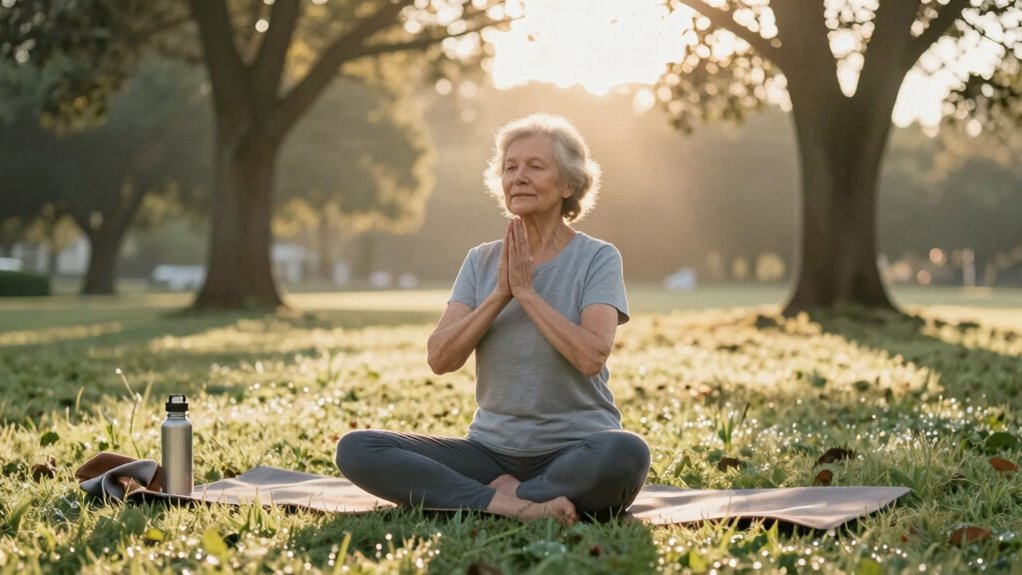

Recovery is essential for healthy aging because it helps your body and mind bounce back from daily stresses and setbacks. By prioritizing rest, proper nutrition, and active recovery, you can maintain mobility, strength, and mental resilience longer. Neglecting recovery can lead to quicker decline and reduced independence. Incorporating simple habits and personalized strategies makes a big difference. Keep exploring how focusing on recovery can enable a more vibrant, resilient future for you.

Get health and wellness essentials delivered free with Prime
- Fast, free delivery on millions of items
- Prime Video, Amazon Music and more included
- Member-only deals all year
Key Takeaways
- Recovery enhances mental resilience, helping older adults better manage stress and emotional challenges.
- Proper recovery supports physical regeneration, reducing age-related decline and maintaining mobility.
- Incorporating recovery practices improves sleep, nutrition, and activity, vital for healthy aging.
- Personalized recovery strategies optimize individual health needs and promote independence.
- Emphasizing recovery transforms aging into an active, resilient process, improving overall quality of life.

As we age, maintaining recovery and promoting healthy aging become essential for preserving independence and quality of life. Recovery isn’t just about healing from injuries; it’s a vital process that supports mental resilience and physical regeneration, both of which are crucial for aging well. When you prioritize recovery, you give your body and mind the chance to bounce back more effectively from daily stresses, setbacks, and health challenges. This proactive approach can slow down the decline often associated with aging and help you stay active and engaged longer.
Prioritizing recovery supports mental resilience and physical renewal, helping you stay active, independent, and aging gracefully.
Mental resilience plays a significant role in healthy aging, and recovery processes directly influence it. When you face difficulties—whether emotional, cognitive, or physical—your ability to recover quickly can determine how well you cope and adapt. If you neglect proper recovery, you may find your mental resilience weakening, making it harder to handle stress or setbacks. On the other hand, actively engaging in practices that foster recovery—like mindfulness, adequate sleep, and social support—strengthens your mental fortitude. This resilience helps you maintain a positive outlook, stay motivated, and keep your cognitive functions sharp, all vital for aging gracefully.
Physical regeneration is equally important. Your body constantly works to repair tissues, strengthen bones, and rejuvenate cells, but these processes slow down with age. By supporting physical recovery—through proper nutrition, exercise, and rest—you can enhance your body’s natural regenerative abilities. Regular movement encourages blood flow and nutrient delivery, which are key for tissue repair. Rest and sleep are when your body does most of its healing, so quality sleep becomes an essential part of your recovery routine. When you focus on physical regeneration, you not only reduce the risk of chronic conditions but also improve your energy levels and mobility, empowering you to pursue your interests and maintain independence. Incorporating elements such as outdoor activities and natural environments can further boost recovery by reducing stress and supporting overall well-being. Additionally, understanding the role of AI in healthcare can lead to innovative ways to monitor and enhance your recovery processes. Recognizing the connection between physical activity and recovery can help motivate consistent habits that support aging well. Moreover, understanding how recovery techniques influence overall health can inspire you to adopt new methods tailored to your needs.
Incorporating recovery into your daily routine might involve simple habits—stretching after workouts, practicing breathing exercises, or taking time for mental relaxation. These small steps can have a big impact on your overall health by fostering resilience and supporting your body’s natural renewal processes. Recognizing the importance of personalized health strategies can help tailor recovery practices to your specific needs and capabilities. Ultimately, recovery isn’t a passive activity; it’s an active investment in your future health. When you make recovery a priority, you set the foundation for a healthier, more resilient aging process—one where you’re better equipped to face challenges and enjoy a vibrant, independent life.
As an affiliate, we earn on qualifying purchases.
Frequently Asked Questions
How Does Sleep Quality Impact Recovery in Older Adults?
Poor sleep quality hampers your recovery as you age, making it harder for your body to repair tissues and boost immunity. Prioritizing good sleep hygiene helps you fall asleep faster and stay asleep longer, enhancing restorative therapies. When you improve sleep quality, you support healthier aging by allowing your body to recover more efficiently, reducing inflammation, and maintaining energy. Good sleep is essential for optimizing recovery and overall well-being in older adults.
Can Recovery Practices Prevent Age-Related Cognitive Decline?
Yes, recovery practices like mindfulness techniques and social engagement can help prevent age-related cognitive decline. When you practice mindfulness, you reduce stress and improve mental clarity, supporting brain health. Staying socially active keeps your mind engaged and builds cognitive resilience. By prioritizing recovery, you give your brain the chance to repair and adapt, which is essential for maintaining cognitive function and healthy aging over time.
What Are the Best Recovery Methods for Chronic Pain Management?
Think of managing chronic pain like tending a delicate garden—you need the right tools to nurture it back to health. Mindfulness techniques help you tune into your body’s signals, easing pain’s grip. Herbal supplements act as gentle rain, soothing inflamed tissues. Combining these methods creates a harmonious balance, allowing your body to recover naturally. Embrace these practices, and you’ll find your pain transforming from a relentless storm into a manageable breeze.
How Does Nutrition Influence Recovery and Aging?
Nutrition plays a vital role in your recovery and aging process. By focusing on nutritional timing, you guarantee your body gets essential nutrients when they’re most effective, aiding repair and regeneration. Incorporating dietary antioxidants, like berries and nuts, fights oxidative stress, which accelerates aging. Proper nutrition supports your immune system, boosts energy, and promotes faster recovery, helping you age healthily and maintain vitality over time.
Are There Specific Exercises That Enhance Recovery in Seniors?
Imagine you’re a knight preparing for battle—specific exercises can help you recover faster. Balance exercises and flexibility routines are especially effective for seniors, enhancing stability and reducing fall risk. Incorporate gentle yoga or tai chi into your routine, and you’ll notice improved mobility and quicker recovery after activity. These targeted exercises support your body’s ability to heal and age gracefully, keeping you active and confident.
nutritional supplements for healthy aging
As an affiliate, we earn on qualifying purchases.
As an affiliate, we earn on qualifying purchases.
Conclusion
Remember, recovery is crucial for healthy aging. It helps your body repair, rebuild, and stay resilient against daily stresses. Did you know that older adults who prioritize recovery activities like sleep and rest are 30% more likely to maintain their independence? By giving yourself time to recover, you boost your strength and vitality for years to come. So, embrace recovery as a essential part of your aging journey—you’ll thank yourself later!
active recovery tools for seniors
As an affiliate, we earn on qualifying purchases.
As an affiliate, we earn on qualifying purchases.
mental resilience training products
As an affiliate, we earn on qualifying purchases.
As an affiliate, we earn on qualifying purchases.
Halloween Picks
halloween
As an affiliate, we earn on qualifying purchases.