
TL;DR

Get health and wellness essentials delivered free with Prime
- Fast, free delivery on millions of items
- Prime Video, Amazon Music and more included
- Member-only deals all year
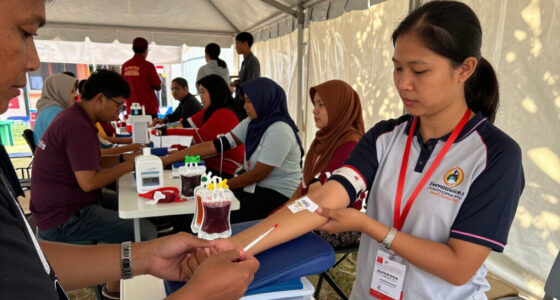
A Tel Aviv mother was rescued from a life-threatening condition thanks to blood donations. Magen David Adom emphasizes the importance of voluntary donors for emergency care. The event underscores ongoing reliance on blood supplies amid rising demand.
A Tel Aviv mother’s life was saved after a critical medical emergency, a feat made possible solely because of voluntary blood donations. Magen David Adom, Israel’s national emergency organization, confirmed that without these donations, her survival would not have been possible. The case highlights the vital importance of maintaining a steady blood supply for life-saving interventions during emergencies.
According to Magen David Adom, the blood transfusions required to save the Tel Aviv mother’s life could not have been administered without a sufficient supply of donated blood. The organization emphasizes that voluntary blood donors form the backbone of Israel’s emergency medical services, especially during periods of increased demand or shortages. The woman’s condition was critical, and her recovery was only possible thanks to the timely availability of compatible blood units.
The incident has sparked renewed attention on blood donation rates across Israel, amid reports of fluctuating donor participation. Magen David Adom officials stated that the blood bank inventory was maintained at levels that allowed them to respond swiftly to this emergency, but they also warned that ongoing shortages could jeopardize future rescue efforts. The organization is actively encouraging more citizens to donate blood regularly to prevent similar situations.
Critical Role of Blood Donations in Emergency Care
This case underscores the essential role that voluntary blood donors play in saving lives during emergencies. Without sufficient blood supplies, hospitals and emergency services face significant challenges in providing immediate care to patients with life-threatening conditions. The incident serves as a reminder of the importance of maintaining robust donor participation to ensure readiness for unexpected emergencies and ongoing medical needs.
As an affiliate, we earn on qualifying purchases.
Blood Donation Trends and Emergency Preparedness in Israel
Israel’s blood donation system relies heavily on voluntary donors, with national campaigns encouraging participation. Over recent years, there have been fluctuations in donor turnout, influenced by factors such as public health concerns, seasonal variations, and recent geopolitical tensions. Despite these challenges, Magen David Adom has consistently maintained blood reserves sufficient for routine and emergency needs. The recent event highlights the ongoing importance of donor engagement, especially as demand for blood can spike unexpectedly during crises or mass casualty events.
Historically, Israel has maintained a relatively stable blood supply, but recent data suggest that periods of donor shortages could become more frequent if public participation declines further. The government and Magen David Adom are working to boost donor numbers through awareness campaigns and mobile donation units, aiming to prevent future shortages that could impact emergency response capabilities.
“Without voluntary blood donations, we could not have saved this woman’s life. Our blood banks are dependent on the generosity of donors.”
— Magen David Adom spokesperson
blood donor blood pressure monitor
As an affiliate, we earn on qualifying purchases.
As an affiliate, we earn on qualifying purchases.
Extent of Blood Donation Shortages and Future Risks
It is not yet clear whether this incident reflects a broader shortage of blood supplies across Israel or if it was an isolated case. Officials have not disclosed specific data on current blood inventory levels or recent donation trends, leaving some uncertainty about the overall risk to emergency preparedness. Additionally, it remains to be seen how recent efforts to boost donor participation are impacting supply levels in the short term.
As an affiliate, we earn on qualifying purchases.
Next Steps for Blood Donation Campaigns and Emergency Readiness
Magen David Adom plans to intensify public awareness campaigns to encourage more blood donations, especially targeting younger populations. The organization is also expanding mobile donation units and scheduling special drives to replenish blood stocks. Authorities will monitor blood inventory levels closely and may implement new strategies if shortages persist. The incident has also prompted discussions about establishing more resilient blood reserve policies to better prepare for future emergencies.
As an affiliate, we earn on qualifying purchases.
Key Questions
Why are blood donations so important for emergency services?
Blood donations provide the essential blood units needed for transfusions during surgeries, accidents, and emergencies. Without a steady supply of donated blood, hospitals and emergency services cannot perform life-saving procedures.
How does Magen David Adom ensure a sufficient blood supply?
The organization conducts regular blood donation campaigns, maintains a national blood bank, and encourages voluntary participation through public awareness efforts.
What can citizens do to help prevent blood shortages?
Citizens can donate blood regularly, especially during campaigns or mobile drives, and encourage others to do the same. Donors are typically asked to meet certain health criteria and to donate at recommended intervals.
Is there a risk of future blood shortages?
While current supplies are maintained, fluctuations in donor participation could pose risks. Authorities are actively working to prevent shortages by increasing donor engagement and expanding donation infrastructure.
What are the main challenges in maintaining blood supplies?
Challenges include donor availability, seasonal fluctuations, public health concerns, and logistical issues related to collection and storage. Addressing these requires continuous public outreach and efficient management.
Source: local
Columbus Day / Indigenous Peoples' Day Picks
long weekend sales
As an affiliate, we earn on qualifying purchases.