
TL;DR

Get health and wellness essentials delivered free — and shop member deals
- Fast, free delivery on millions of items
- Access to Prime Big Deal Days deals on October 6–7
- Prime Video, Amazon Music and more included
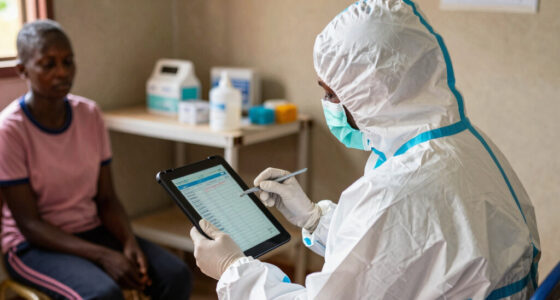
Gavi has approved a $180 million investment to enhance vaccine manufacturing in Africa. This funding aims to strengthen local production and improve pandemic resilience. Details on implementation are still emerging.
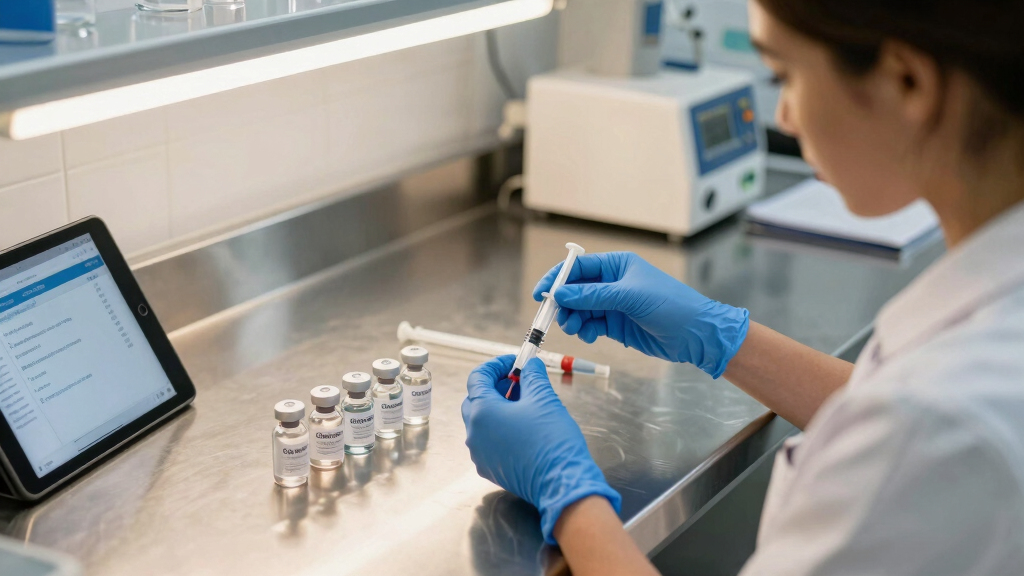
Gavi, the Vaccine Alliance, has approved a $180 million fund to support the development of vaccine manufacturing facilities across Africa. This decision aims to bolster local capacity, reduce reliance on imports, and improve pandemic preparedness in the region. The funding was approved during a recent Gavi board meeting, reflecting a strategic shift toward regional self-sufficiency in vaccine production.
The $180 million fund will be allocated over the next several years to support infrastructure, technology transfer, and workforce development for vaccine manufacturing in multiple African countries. Gavi officials stated that this initiative is part of broader efforts to strengthen health systems and ensure equitable access to vaccines across the continent.
While the specific countries and projects slated to benefit from this funding have not yet been publicly disclosed, sources indicate that several nations with existing pharmaceutical capabilities are expected to be involved. The initiative aligns with global health priorities to expand vaccine access and combat future pandemics more effectively.
Gavi’s CEO, Dr. Seth Berkley, emphasized that “building local manufacturing capacity is essential for sustainable immunization programs and pandemic readiness in Africa.” The funding is also expected to complement efforts by the World Health Organization and African Union to develop regional vaccine hubs.
Why This Investment Is a Turning Point for African Health Systems
This $180 million funding from Gavi represents a major step toward building vaccine self-sufficiency in Africa. It addresses longstanding challenges related to vaccine supply chain dependence on external suppliers, which has often delayed immunization campaigns and hindered rapid responses to health crises. Strengthening local manufacturing capabilities could lead to more equitable vaccine access, reduce costs, and enhance regional pandemic resilience.
Experts say that this initiative could also stimulate economic growth by creating jobs and fostering technological innovation within African countries. Moreover, establishing regional vaccine hubs could position Africa as a key player in global health security, reducing reliance on imports from Asia or Europe.
As an affiliate, we earn on qualifying purchases.
Background on Africa’s Vaccine Production Capabilities
Historically, Africa has faced significant challenges in vaccine manufacturing, relying heavily on imports from international suppliers. Despite some existing facilities, local production capacity remains limited, covering only a small fraction of the continent’s immunization needs. During the COVID-19 pandemic, these gaps became evident, with many African countries experiencing delays and shortages of vaccines.
In recent years, efforts have been underway to develop regional vaccine hubs, supported by international organizations and governments. However, progress has been slow, hindered by infrastructure deficits, technology transfer barriers, and funding shortages. Gavi’s recent approval of $180 million aims to accelerate these efforts and bring tangible improvements to vaccine availability in Africa.
This move aligns with global initiatives, including COVAX, to improve equitable access to vaccines, but emphasizes the need for local production as a sustainable solution.
“Building local manufacturing capacity is essential for sustainable immunization programs and pandemic readiness in Africa.”
— Dr. Seth Berkley, Gavi CEO
pharmaceutical production machinery
As an affiliate, we earn on qualifying purchases.
As an affiliate, we earn on qualifying purchases.
Unresolved Details on Implementation and Impact
It is not yet clear which specific countries or facilities will receive the funding, or the timeline for project rollout. Details on the types of vaccines to be produced and the scale of capacity increase remain to be announced. Additionally, it is uncertain how quickly these efforts will translate into increased vaccine availability for the public, or how they will integrate with existing health infrastructure.
As an affiliate, we earn on qualifying purchases.
Next Steps in Funding Deployment and Project Launch
Gavi and partner agencies are expected to release detailed plans and select initial projects in the coming months. Monitoring reports will track progress, with key milestones including infrastructure development, technology transfer agreements, and workforce training. Stakeholders anticipate that the first locally manufactured vaccines could reach the market within the next 2-3 years, depending on project timelines and regulatory approvals.
laboratory sterilization equipment
As an affiliate, we earn on qualifying purchases.
As an affiliate, we earn on qualifying purchases.
Key Questions
Which countries will benefit from Gavi’s $180 million funding?
The specific countries have not yet been publicly disclosed. However, several African nations with existing pharmaceutical infrastructure are expected to be involved.
What types of vaccines will be produced locally?
Details on the vaccine types are still under development. The focus is likely to include routine immunizations and pandemic-related vaccines, depending on regional needs and capacities.
How will this funding improve vaccine access in Africa?
The investment aims to develop local manufacturing capacity, which can reduce reliance on imports, lower costs, and enable faster responses to health emergencies.
When might locally produced vaccines be available to the public?
Initial production could begin within 2-3 years, but timelines depend on infrastructure development, regulatory processes, and project implementation speed.
Could this funding help prepare for future pandemics?
Yes, strengthening regional vaccine manufacturing is a key strategy for improving pandemic preparedness and ensuring rapid vaccine deployment in future health crises.
Source: google-trends
Fall Picks
fall essentials
As an affiliate, we earn on qualifying purchases.