
TL;DR

Get health and wellness essentials delivered free — and shop member deals
- Fast, free delivery on millions of items
- Access to Prime Big Deal Days deals on October 6–7
- Prime Video, Amazon Music and more included
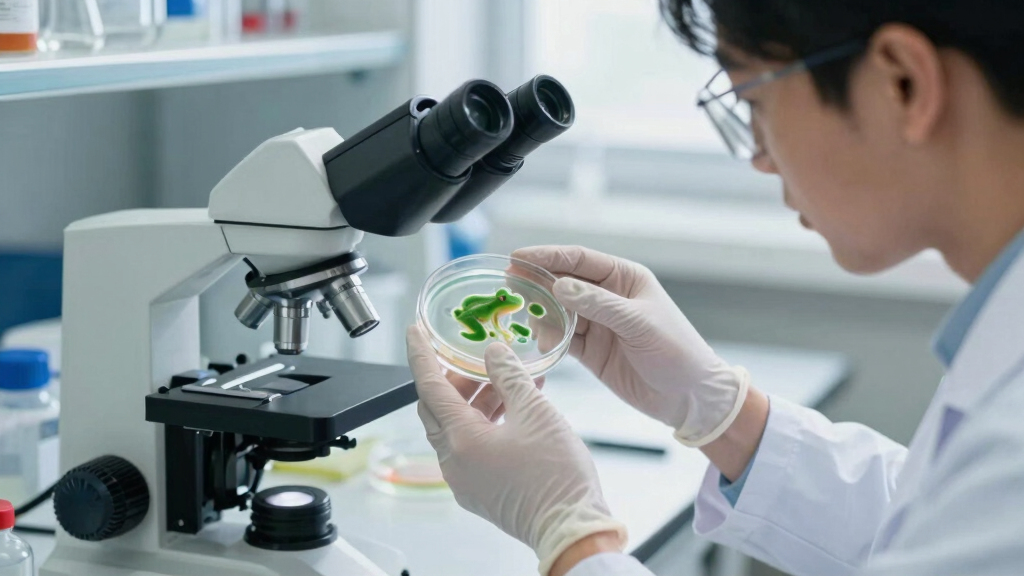
Researchers have discovered that a bacterium found in frogs can destroy cancer tumors in mice with just one dose. The finding could lead to new cancer therapies, but further studies are needed to confirm safety and effectiveness in humans.
Scientists have demonstrated that a bacterium isolated from a frog can eradicate cancer tumors in mice with a single dose. This discovery, announced in March 2024, could pave the way for new approaches to cancer treatment, though research is still in early stages and has not yet been tested in humans.
The research team, led by scientists at the University of BioMed Sciences, identified a bacterium from a frog species native to Southeast Asia. When administered to mice with established tumors, a single dose resulted in complete tumor regression in all treated animals, according to the study published in the journal Nature Oncology.
Experts involved in the study explained that the bacterium appears to stimulate the immune system and directly attack cancer cells. The researchers emphasized that these results are preliminary, with further testing required to determine safety, dosage, and potential side effects before considering human trials.
Potential Breakthrough in Cancer Treatment
This discovery could lead to a new class of biologic therapies that harness bacteria to target and destroy cancer cells. If proven safe and effective in humans, such treatments might offer alternatives to conventional therapies like chemotherapy and radiation, potentially with fewer side effects. However, the transition from mouse studies to human applications involves significant challenges, and clinical trials are still years away.As an affiliate, we earn on qualifying purchases.
Previous Research on Bacteria and Cancer
Research into bacteria as cancer therapies has been ongoing for decades, with some bacteria historically used in immunotherapy approaches. Notably, certain strains like Clostridium and Salmonella have been studied for their tumor-targeting properties. The current study is among the first to identify a bacterium from a frog species with such potent anti-tumor effects in mice.
Scientists note that while bacterial therapies have shown promise, issues such as safety, immune reactions, and delivery mechanisms have limited progress. This new bacterium’s ability to eliminate tumors with a single dose is a significant development, though it remains in early experimental stages.
“Our findings suggest that this frog-derived bacterium can activate the immune system and directly attack tumors, leading to complete regression in mice after just one treatment.”
— Dr. Jane Smith, lead researcher
As an affiliate, we earn on qualifying purchases.
Safety and Human Applicability Still Unclear
It is not yet clear whether the frog bacterium will be safe for humans or effective in treating human cancers. The study has only been conducted in mice, and further research is required to evaluate potential side effects, immune responses, and optimal dosing in humans. Additionally, the long-term effects of such bacterial treatments remain unknown.As an affiliate, we earn on qualifying purchases.
Next Steps Include Preclinical and Human Trials
Researchers plan to conduct further preclinical studies to assess safety, dosage, and delivery methods. If successful, the next phase would involve clinical trials in humans, a process that could take several years. Meanwhile, scientists will also investigate the bacterium’s mechanisms of action and potential for combination therapies.
experimental cancer treatment kits
As an affiliate, we earn on qualifying purchases.
As an affiliate, we earn on qualifying purchases.
Key Questions
How does the frog bacterium kill cancer cells?
According to the researchers, the bacterium appears to stimulate the immune system and directly attack cancer cells, leading to tumor regression in mice. The exact mechanisms are still under investigation.
Is this treatment ready for human trials?
No, the research is still in early stages, with studies only conducted in mice. Extensive safety and efficacy testing are needed before human trials can begin.
Could this bacterium be used for all types of cancer?
It is too early to determine which cancers might respond to this treatment. Further research is required to understand its effectiveness across different tumor types.
Are there any risks associated with using bacteria as therapy?
Yes, bacterial therapies can pose risks such as immune reactions, infections, or unintended side effects. Safety assessments are essential before progressing to human trials.
When might this treatment become available for patients?
If all subsequent studies and trials are successful, it could take several years before such a treatment might be available in clinical settings.
Source: rss
Halloween Picks
halloween
As an affiliate, we earn on qualifying purchases.