
TL;DR

Get health and wellness essentials delivered free with Prime
- Fast, free delivery on millions of items
- Prime Video, Amazon Music and more included
- Member-only deals all year
A randomized trial involving 453 adults aged 65 and older with advanced chronic kidney disease found more advance care planning documentation after patients viewed a treatment video and recorded their preferences. At 12 months, documentation was 56.6% in the intervention group and 40.0% with usual care; whether that leads to care better aligned with patients’ goals remains unknown.
A randomized trial at 12 outpatient clinics found that older adults with advanced chronic kidney disease had more advance care planning recorded in their medical records after using a video decision aid and making a video statement of their preferences. At 12 months, documentation was present for 56.6% of the intervention group, compared with 40.0% of participants receiving usual care, according to the study in JAMA Internal Medicine.
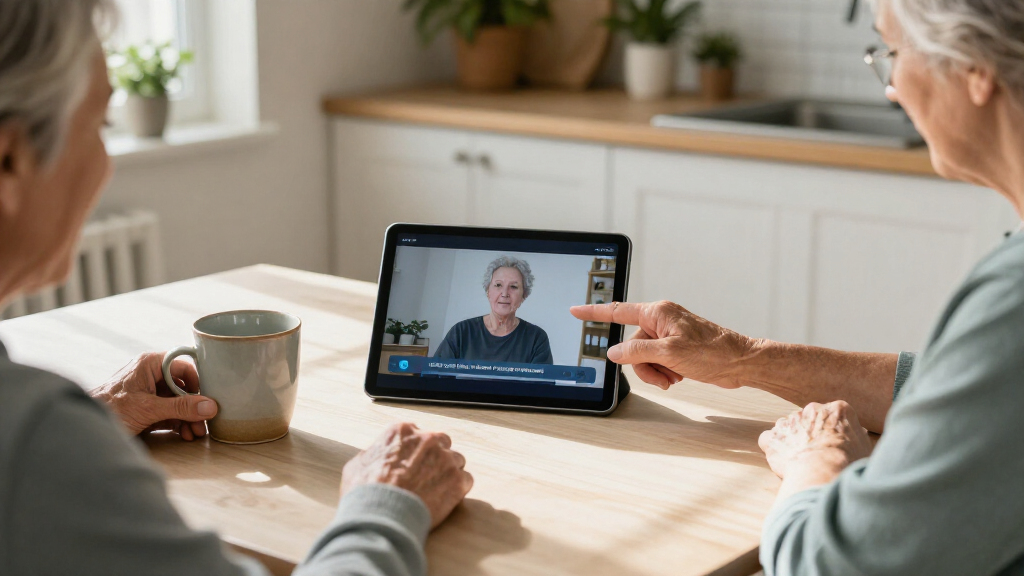
The trial enrolled 453 adults aged 65 and older with advanced kidney disease. Of these, 228 were assigned to the intervention and 225 to usual medical care. Participants in the intervention group watched a certified video describing three treatment options for advanced kidney disease, then recorded a video declaration about their goals, values and treatment preferences. The declaration was sent to their treating clinician.
At the 12-month mark, clinicians’ records showed a documented discussion of kidney failure treatment options for 46.1% of intervention participants, versus 31.6% in the control group. After viewing the video, fewer intervention participants were undecided about treatment: 13.2%, compared with 41.3% in the control group. Conservative kidney management was the stated preference of 50.7% of the intervention group and 31.8% of controls.
The research was led by Angelo E. Volandes of Dartmouth Health and colleagues. The report appeared in the journal in connection with Kidney Week, the American Society of Nephrology’s annual meeting held October 21–25 in Denver. The study’s reported outcomes concern preferences and documentation; they do not establish that participants ultimately received care matching those preferences.
More Preferences Reached the Medical Record
Advance care planning can give patients and clinicians a record of a person’s priorities when discussing serious illness and possible treatment choices. In this trial, the difference in documentation suggests a structured video discussion followed by a patient-authored statement may help move those preferences into the clinical record, where care teams can consult them.
The results also point to a change in how certain participants expressed their treatment views. The intervention group had fewer undecided participants and more who preferred conservative kidney management. That matters because documenting a preference is different from assuming that every patient wants the same treatment, or that a video can make the decision for them. The approach was designed to present options and record individual choices.
The practical value remains tied to a further question: whether better documentation changes care in a way that matches patients’ goals. The researchers said further study is needed to establish that link. The trial supports the intervention’s effect on measured records and stated preferences, not a conclusion about health outcomes, treatment quality or whether care was goal-concordant.
Products Worth Considering

Therabody JetBoots PRO Plus Wireless LED 3-in-1 Compression Boots, Short (29 in Inseam)

BowFlex Results Series SelectTech 552 Adjustable Dumbbell

Oura Ring 5 Smart Ring, Gold, Size 8
As an affiliate, we earn on qualifying purchases.
How the Kidney Care Trial Worked
The study compared usual care with a combined intervention: a certified decision aid about advanced kidney disease treatments, followed by a video declaration made by the patient and sent to the treating clinician. It was a multicenter, parallel-group randomized clinical trial conducted in 12 ambulatory clinics. The comparison therefore tested the package of video education and recorded preferences, rather than isolating the impact of the educational video alone.
Advanced chronic kidney disease can involve decisions about treatment for kidney failure, including conservative kidney management. The report describes the video as presenting three options, but the supplied study summary does not name all three. The results were published as “Video Decision Support and Advance Care Planning in Older Adults With Advanced Kidney Disease” in JAMA Internal Medicine in 2026 (DOI: 10.1001/jamainternmed.2026.5989).
“Further research is needed to determine whether increased documentation translates into goal-concordant care.”
— The study authors, as quoted in the report
Whether Recorded Choices Shape Care
The reported results do not establish whether the higher documentation rate led to treatment consistent with patients’ stated goals, affected health outcomes or changed decisions later in care. The authors specifically call for further research on whether documentation translates into goal-concordant care.
The available report also does not provide details on how long the intervention took, whether its effects persisted beyond 12 months, or how well it could be implemented across other health systems and patient groups. Because the intervention combined a video aid with patient-created declarations, the reported comparison does not show which component contributed most to the difference. These points should not be treated as findings of the trial.
Further Research on Care Outcomes
The immediate next step identified by the researchers is further study of whether improved documentation results in care that reflects patients’ preferences. Follow-up research would need to assess what treatment patients actually receive and compare it with the goals they recorded, rather than relying on documentation rates alone.
The study summary does not announce a planned follow-up trial, a rollout into routine care or a timetable for additional results. For now, the findings offer evidence that this combined video-and-declaration approach increased recorded planning in the participating clinics, while its effect on subsequent care remains an open question.
Key Questions
What did the trial find?
At 12 months, advance care planning was documented for 56.6% of participants who received the video intervention, compared with 40.0% receiving usual care.
Who took part in the study?
The trial included 453 adults aged 65 and older with advanced chronic kidney disease at 12 ambulatory clinics.
What did participants in the intervention group do?
They watched a certified video about treatment options for advanced kidney disease and recorded a statement of their goals, values and preferences. That video declaration was sent to their clinician.
Does the study show that patients received care matching their wishes?
No. The reported findings show increased documentation and differences in stated treatment preferences. The authors said more research is needed to determine whether documentation leads to care aligned with patients’ goals.
Source: medicalxpress.com