

To combat loneliness, focus on building community and social connections. Join support groups where you can share experiences and find understanding, creating a safe space for vulnerability. Attend community events like festivals, markets, or classes to meet others who share your interests. Making consistent efforts to engage with others boosts your mental health and gives you a sense of purpose. Keep exploring ways to strengthen your bonds—you’ll discover more steps toward a connected, fulfilling life.
Key Takeaways
- Join support groups to share experiences, foster trust, and create safe spaces for vulnerability and mutual understanding.
- Participate regularly in community events like festivals or classes to find common interests and build genuine relationships.
- Invest effort in building connections, as active engagement enhances mental health and provides a sense of purpose.
- Encourage community involvement by listening, sharing, and supporting others, creating a cycle of mutual support.
- Strong community bonds turn loneliness into shared connection, enriching social well-being and fostering a sense of belonging.

Have you ever wondered why strong community bonds make life more fulfilling? It’s because they give you a sense of belonging, purpose, and support that can help combat feelings of loneliness. Building these connections isn’t about just attending a few events now and then; it’s about actively engaging and creating meaningful relationships. One of the most effective ways to do this is by participating in support groups. These groups bring together people facing similar challenges, whether it’s health issues, grief, or life passages. When you join a support group, you’re not only sharing your experiences, but you’re also listening and learning from others. This mutual exchange fosters understanding and empathy, reminding you that you’re not alone in your struggles. Support groups create a safe space where vulnerability is welcomed, and your feelings are validated, helping you build trust and deepen bonds over time. Additionally, incorporating targeted skincare products like pimple patches can boost your confidence and improve your overall well-being, which may encourage more social engagement.
Alongside support groups, community events serve as excellent opportunities to connect with others in a more casual setting. These events could range from festivals and markets to volunteer drives and local classes. Attending community events puts you in touch with people who share your interests or values, making it easier to strike up conversations and form friendships. The key is to show up consistently and be open to new experiences. Over time, small interactions can blossom into genuine relationships that enrich your social life and provide a sense of stability. Participating in these activities also makes you feel more rooted in your neighborhood or community, reinforcing that you’re part of something larger than yourself.
Building community and social connections takes effort, but it’s incredibly rewarding. It’s not just about filling your calendar but about creating a network of support and companionship that can lift you during tough times and celebrate your successes. When you regularly attend support groups and community events, you’re actively fighting loneliness by investing in relationships that matter. These connections can boost your mental health, improve your outlook on life, and give you a renewed sense of purpose. Remember, everyone has a role to play in strengthening the community fabric. Your willingness to participate, listen, and share can inspire others to do the same, creating a cycle of support that benefits everyone. The more you put into building these bonds, the more fulfilling your social life becomes, turning loneliness into a shared journey of connection.
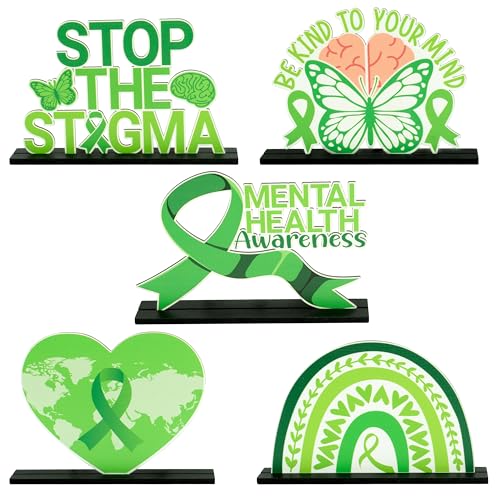
BkeeCten Mental Health Awareness Centerpieces – 5Pcs Mental Health Awareness Month Wooden Centerpieces Decorations Green Ribbon Positive Detachable Wooden Desktop Tiered Tray Indoor Decoration Handout
Thoughtful 5-Piece Mental Health Awareness Centerpiece Collection: This elegant set features five beautifully designed wooden tabletop signs showcasing…
As an affiliate, we earn on qualifying purchases.
As an affiliate, we earn on qualifying purchases.
Frequently Asked Questions
How Does Technology Influence Social Connection and Loneliness?
Technology greatly influences social connection and loneliness by enabling digital communication that keeps you connected with others. Social media impact can be both positive and negative; it helps you stay in touch and share experiences, but may also lead to feelings of isolation if overused or if interactions become superficial. By balancing online interactions with real-life connections, you can foster meaningful relationships and reduce loneliness effectively.
Can Loneliness Affect Physical Health and Immune Function?
Feeling isolated can quietly impact your physical health and immune system, making you more vulnerable to illness. When loneliness takes hold, your body may respond with increased stress hormones, weakening your immune defenses. Over time, this can lead to a decline in overall well-being. So, nurturing social connections isn’t just about mental health—it’s essential for maintaining a strong immune system and good physical health.
What Role Do Cultural Differences Play in Community Building?
Cultural differences greatly influence your community building efforts by shaping cultural norms and community rituals. These norms guide how you interact, show respect, and form bonds with others. Understanding and participating in community rituals helps you connect authentically, fostering trust and inclusiveness. By embracing diverse cultural practices, you strengthen social ties, making your community more cohesive and supportive, ultimately reducing loneliness and encouraging meaningful relationships.
How Can Introverts Effectively Build Social Connections?
You might think introverts dread small talk, but it’s your secret weapon. Instead of forcing conversations, focus on active listening—really hearing others. This helps you build genuine connections without draining your energy. Ironically, by embracing quiet moments and asking thoughtful questions, you’ll find meaningful bonds form naturally. So, leverage your natural tendency for depth; social connections grow when you let conversations unfold authentically, not through forced chatter.
Are There Specific Activities Proven to Reduce Loneliness Effectively?
Yes, engaging in group activities and volunteering opportunities are proven ways to reduce loneliness. When you join group classes, clubs, or community events, you create meaningful social connections. Volunteering allows you to meet others while giving back, fostering a sense of belonging. These activities help you build relationships naturally, making it easier to combat loneliness and strengthen your social network over time.

S&S Worldwide Dot Day Event Pack, for 100+ Kids, Schools, Libraries, Community Groups, Incl. "The Dot" Book and Supplies for Two Art Activities Plus How-to Guide, Accessible for Many Ages/Abilities
EXCLUSIVE ACTIVITY PACK: Celebrate International Dot Day with our exclusive pack for 100+ kids. Includes "The Dot" book…
As an affiliate, we earn on qualifying purchases.
As an affiliate, we earn on qualifying purchases.
Conclusion
By actively building community and social connections, you can combat loneliness and improve your well-being. Remember, just a 10-minute conversation can boost your mood and reduce feelings of isolation. Imagine the power of small acts—like greeting a neighbor or joining a club—that create a ripple effect in forming meaningful relationships. Over time, these connections turn into a supportive network, proving that even tiny efforts can profoundly brighten your social landscape.

Mind Brain Emotion 52 Essential Social Skills Lessons & Teaching Tool Kit – Social Emotional Learning Activities for Parents, Teachers, School Counselor (Kindergarten, Elementary Kids)
Winner, Parents' Favorite Award: Modern-day social stories for teaching social skills for kids. Tools created by Harvard educator…
As an affiliate, we earn on qualifying purchases.
As an affiliate, we earn on qualifying purchases.

IT Cosmetics Confidence in a Cream Barrier Boost – Skin Barrier Repair Daily Face Moisturizer – Clinically Smoother, Softer Skin After 1 Use – Fragrance-Free, 100HR Hydration with Ceramide – 0.5 Fl Oz
RESCUE YOUR SKIN – Whether you’re seeking relief from chronically dry skin, over-doing the retinol or the aftereffects…
As an affiliate, we earn on qualifying purchases.
As an affiliate, we earn on qualifying purchases.