To regain mental clarity, start by setting clear boundaries for your screen time—schedule specific periods for social media and disable unnecessary notifications. Take regular breaks from your devices and choose offline activities like walking or mindfulness exercises. A digital detox helps reduce overstimulation, anxiety, and mental fatigue, allowing your focus and calmness to strengthen. Keep moving forward, and you’ll discover practical ways to break free from your screen habit and restore mental balance.

Get health and wellness essentials delivered free with Prime
- Fast, free delivery on millions of items
- Prime Video, Amazon Music and more included
- Member-only deals all year
Key Takeaways
- Set specific times for social media and device use to prevent constant distractions.
- Turn off non-essential notifications to reduce compulsive checking and overstimulation.
- Incorporate regular screen-free breaks, engaging in mindfulness activities like reading or walking.
- Leave devices in another room during meals and before sleep to promote mental rest.
- Practice gradual reduction of screen time to enhance focus, mental resilience, and overall well-being.

In today’s connected world, it’s easy to feel overwhelmed by constant notifications and endless scrolling. Every ping, buzz, or alert pulls you further into the digital rabbit hole, making it hard to focus on your mental well-being. Social media especially plays a big role in this, as it’s designed to keep you hooked with endless updates, likes, and shares. Over time, you might notice that your smartphone addiction is taking a toll on your mental clarity, leaving you anxious, distracted, and drained. Recognizing this is the first step toward breaking free from the cycle. You need to understand how these digital habits are affecting your mind and learn ways to regain control.
Social media, in particular, can create a false sense of connection while secretly fueling feelings of loneliness or inadequacy. The constant comparison to others’ highlight reels can lower your self-esteem and increase stress. Meanwhile, the addictive nature of smartphones makes it tempting to reach for your device every few minutes, even when you don’t need to. This compulsive behavior keeps your brain in a state of perpetual distraction, making it harder to concentrate or think clearly. To combat this, you have to intentionally disconnect. Start by setting boundaries—designate specific times to check social media or reply to messages, and stick to them. Turning off non-essential notifications can reduce the constant urge to pick up your phone, helping your mind to settle and focus.
A digital detox isn’t about abandoning your devices completely; it’s about creating healthy boundaries that allow your brain to rest and reset. You might try leaving your phone in another room during meals or before bed, or replacing screen time with activities that promote mindfulness—like reading, walking, or journaling. These small changes can markedly improve your mental clarity by reducing the overstimulation caused by social media feeds and the addictive pull of your smartphone. Remember, the goal isn’t perfection but progress. Each moment you spend away from your screens, you’re giving your mind a chance to breathe, process, and regain balance. Recognizing the potential vulnerabilities in your digital habits can help you develop effective risk management strategies to maintain a healthier relationship with technology. Over time, you’ll start to notice increased focus, better sleep, and a sense of calm that smartphones and social media had been masking. Taking control of your screen time isn’t just about reducing digital clutter; it’s about reclaiming your mental space and nurturing a healthier, more present version of yourself.
Products Worth Considering
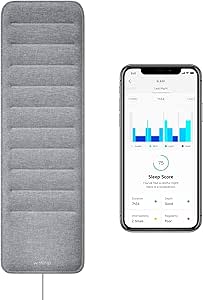
Withings Sleep Under-Mattress Sleep Tracking Pad

Oral-B iO Series 5 Rechargeable Electric Toothbrush with Travel Case and 3 Brush Heads, Black

Garmin Forerunner 55 GPS Running Smartwatch, Black
As an affiliate, we earn on qualifying purchases.
Frequently Asked Questions
How Long Should a Typical Digital Detox Last?
A typical digital detox lasts anywhere from 24 hours to a week, depending on your goals. You should plan your screen free durations based on detox planning strategies that suit your lifestyle and needs. Start with a shorter period, like a day, then gradually extend it to achieve mental clarity. Remember, consistency is key, and even brief breaks can markedly reduce screen fatigue and improve focus.
Can Digital Detoxing Improve Sleep Quality?
Ever notice how your screens seem to steal your sleep? Digital detoxing can considerably improve sleep quality by reducing blue light exposure, which disrupts your sleep cycle regulation. When you limit screen time, especially before bed, your body naturally produces more melatonin, helping you fall asleep faster and enjoy deeper rest. So, unplugging not only clears your mind but also resets your sleep rhythm for better nights.
What Are Effective Activities During Screen-Free Periods?
During screen-free periods, you should engage in mindful activities like meditation, journaling, or deep breathing to center your thoughts. Outdoor adventures such as walking, hiking, or simply enjoying nature can refresh your mind and reduce stress. These activities help you reconnect with the present moment, boost your mood, and improve mental clarity. Make time for these practices regularly to maximize the benefits of your digital detox.
How to Handle Work Obligations During a Detox?
Think of your work obligations as a busy river that keeps flowing. During your detox, set clear boundaries by scheduling email management and virtual meetings before your screen-free time. Let colleagues know your availability, and use auto-responders if needed. Prioritize urgent tasks, and delegate where possible. This way, you stay in control, ensuring work stays afloat without pulling you back into endless screen time.
Are There Apps to Help Limit Screen Time?
Yes, there are apps to help limit your screen time. You can use screen time tracking apps to monitor how long you spend on your devices and identify patterns. App blockers are also effective; they prevent access to distracting sites or apps during designated times. These tools empower you to set boundaries, stay focused, and enjoy a mental clarity boost by reducing unnecessary screen usage.
Conclusion
Ditch the digital drain and discover the delight of dazzling clarity. By breaking your screen streak, you’ll breathe better, think sharper, and feel freer. Embrace this empowering escape from endless alerts and notifications, recharging your mind with real moments and restful rhythms. Remember, a mindful disconnect makes room for meaningful memories. So, step away from the screen, seize serenity, and savor the simple, stunning clarity of a digital detox. Your mind will thank you.