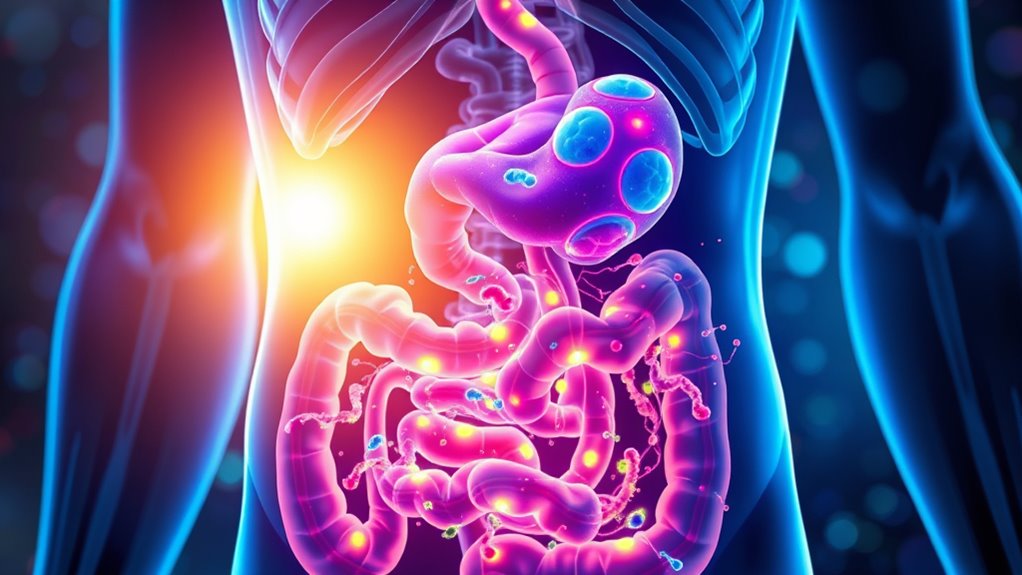

Your gut microbiome plays a key role in your mental health by producing and regulating mood-related chemicals like serotonin. When your gut is balanced, you experience better mood and mental clarity, but an unhealthy gut can lead to anxiety, depression, and mental fog. Stress can disturb your gut bacteria, causing inflammation that impacts your brain. Supporting your gut with probiotics and healthy habits can improve both your mood and resilience—keep exploring to discover how you can optimize this essential connection.
Key Takeaways
- The gut microbiome produces neurotransmitters like serotonin, directly influencing mood and mental clarity.
- An unhealthy gut can increase inflammation and leaky gut, contributing to anxiety and depression.
- Probiotics and fermented foods support beneficial microbes, improving mood and reducing stress levels.
- Stress disrupts gut bacteria balance, which can worsen mood disorders through inflammation and hormonal imbalance.
- Maintaining gut health enhances emotional resilience and overall mental well-being by supporting the gut-brain connection.
Have you ever wondered how your gut health influences your mood? The connection between your digestive system and mental well-being is more intricate than you might think. Your gut, often called your second brain, is home to trillions of microorganisms that form your microbiome. This diverse community of bacteria, fungi, and other microbes plays an essential role not just in digestion but also in regulating your emotions and mental health. When your gut is balanced, it can produce and manage neurotransmitters like serotonin, which notably impacts your mood. Conversely, an unhealthy gut can lead to feelings of anxiety, depression, and overall mental fog.
Your gut’s health deeply influences your mood and mental clarity.
One key way your microbiome influences your mood is through probiotic benefits. Probiotics are live bacteria that, when consumed, can help restore and maintain a healthy gut environment. They support the growth of beneficial microbes, which in turn can improve your gut barrier function and reduce inflammation. This is important because chronic inflammation has been linked to mood disorders. By supporting your gut with probiotic-rich foods or supplements, you can foster a more balanced microbiome, which helps regulate neurochemical production and enhances your emotional resilience. You might notice that incorporating fermented foods like yogurt, kefir, sauerkraut, or taking probiotic supplements can lead to noticeable improvements in your mental clarity and overall mood.
Stress management is another essential aspect intertwined with gut health. When you experience stress, your body responds by releasing hormones like cortisol, which can disrupt the balance of bacteria in your gut. This imbalance can then lead to increased intestinal permeability, often called leaky gut, allowing inflammatory agents to enter your bloodstream. This cycle not only worsens gut health but also amplifies feelings of anxiety and depression. By managing stress through techniques like mindfulness, deep breathing, or regular exercise, you help protect your gut microbiome from these harmful effects. A calmer gut environment supports the production of mood-stabilizing neurotransmitters and reduces inflammation, creating a positive feedback loop for your mental health. Additionally, maintaining a healthy gut through proper nutrition and lifestyle choices can help support your immune system, which is closely linked to both gut health and mood regulation.
In essence, taking care of your gut isn’t just about digestion; it’s about nurturing your emotional well-being too. Supporting probiotic benefits and managing stress are two pivotal steps you can take to foster a healthier, happier mind. Your microbiome acts as a bridge between your physical and mental health, and by paying attention to both, you’re investing in your overall quality of life. With small, consistent changes, you can harness the power of your gut to boost your mood, reduce stress, and feel more balanced each day.

Physician's CHOICE Probiotics 60 Billion CFU – 10 Strains + Organic Prebiotics – Immune, Digestive & Gut Health – Supports Occasional Constipation, Diarrhea, Gas & Bloating – for Women & Men – 30ct
Max Strength General Purpose Probiotic: Our non-refrigerated probiotic is designed to support digestive health & gut health. A…
As an affiliate, we earn on qualifying purchases.
As an affiliate, we earn on qualifying purchases.
Frequently Asked Questions
Can Specific Foods Improve Both Gut Health and Mood Simultaneously?
Yes, certain foods can boost both gut health and mood at the same time. You should include fermented foods like yogurt, sauerkraut, and kefir in your diet, as they add beneficial probiotics. Also, eat plenty of dietary fibers from fruits, vegetables, and whole grains to nourish your gut bacteria. These foods support a healthy microbiome, which can positively influence your mood and overall mental well-being.
How Long Does It Take to Notice Mood Changes After Improving Gut Health?
You might see noticeable effects within a few weeks, but it varies. Don’t expect overnight miracles; improving gut health takes time, and your mood changes gradually. Typically, you’ll notice better mood and reduced anxiety after about 3 to 6 weeks of consistent dietary and lifestyle changes. Patience is key—your microbiome needs time to adapt, leading to the positive mood shifts you’re aiming for.
Are There Any Risks Associated With Using Probiotics for Mental Health?
Probiotic safety is generally high, but there are some mental health risks if you have a compromised immune system or underlying health issues. Rarely, probiotics can cause infections or adverse reactions, especially if contaminated. Always choose reputable brands and consult your healthcare provider before starting probiotics for mental health. Being cautious helps mitigate any potential risks and ensures you’re taking a safe, beneficial step toward improving your mood naturally.
Does Gut Health Influence Mental Health Conditions Like Anxiety and Depression?
Absolutely, your gut health influences mental health conditions like anxiety and depression. The brain-gut connection shows how microbiome diversity impacts mood and mind. When your microbiome is balanced and diverse, it promotes better brain function and emotional stability. Conversely, a disrupted microbiome can contribute to mental health struggles. By nurturing your gut through diet and lifestyle, you support a healthier mind, making the microbiome a crucial factor in emotional well-being.
Can Gut Health Impact Cognitive Functions and Memory?
Yes, gut health can impact your cognitive functions and memory. The gut-brain connection means a diverse microbiome supports ideal brain activity by producing essential neurotransmitters and reducing inflammation. When your microbiome diversity is high, it promotes better communication between your gut and brain, enhancing focus, memory, and mental clarity. Maintaining a healthy, balanced gut through diet and lifestyle boosts your cognitive performance and overall mental well-being.

XYMOGEN Mood Food – Supports Relaxation & Healthy Mindset – Active Folate & 5-MTHF – Serotonin Support Complex for Nervous System Health – Vegetarian, Non-GMO & Gluten-Free – 60 Capsules
Comprehensive Daily Support Blend: Mood Food is a calming vitamin formula with B vitamins, folate, magnesium, and chelated…
As an affiliate, we earn on qualifying purchases.
As an affiliate, we earn on qualifying purchases.
Conclusion
Remember, your gut is the quiet captain steering your mental ship through stormy seas. When your microbiome thrives, it’s like a symphony of balance, calming your mind and brightening your mood. Neglect it, and you risk letting chaos take the helm. By nurturing your gut health, you’re planting seeds of serenity and joy deep within. So, listen to your digestive whispers—they hold the key to a happier, healthier you, mind and body united in harmony.

Garden of Life Probiotics Mood+ Dr Formulated Acidophilus Probiotic Supplement – Promotes Emotional Well-Being, Relaxation and Digestive Balance – Ashwagandha for Stress Management, 60 Veggie Caps
DOCTOR FORMULATED PROBIOTICS: These mood probiotics supplements provide 50 Billion CFU and 16 Probiotic Strains including Clinically Studied…
As an affiliate, we earn on qualifying purchases.
As an affiliate, we earn on qualifying purchases.
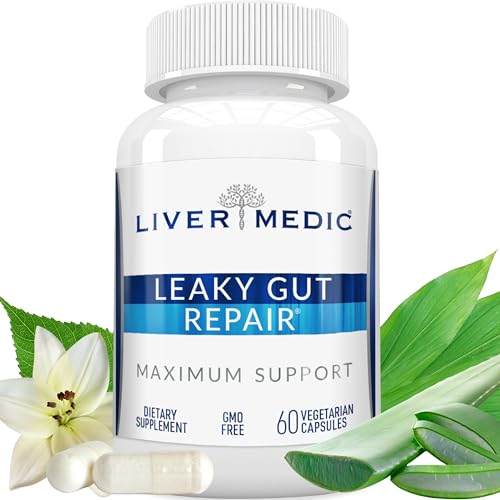
Liver Medic Leaky Gut Repair Natural Gut Health Supplement Glutamine Organic Slippery Elm NAG Marshmallow Root Aloe Vera MSM Quercetin Bromelain Promotes Digestive Ease, Gut Wellness 1000mg 60 Caps
Target the Root Cause – Why choose temporary solutions and risk long-term consequences? Reliance on probiotics, laxatives or…
As an affiliate, we earn on qualifying purchases.
As an affiliate, we earn on qualifying purchases.