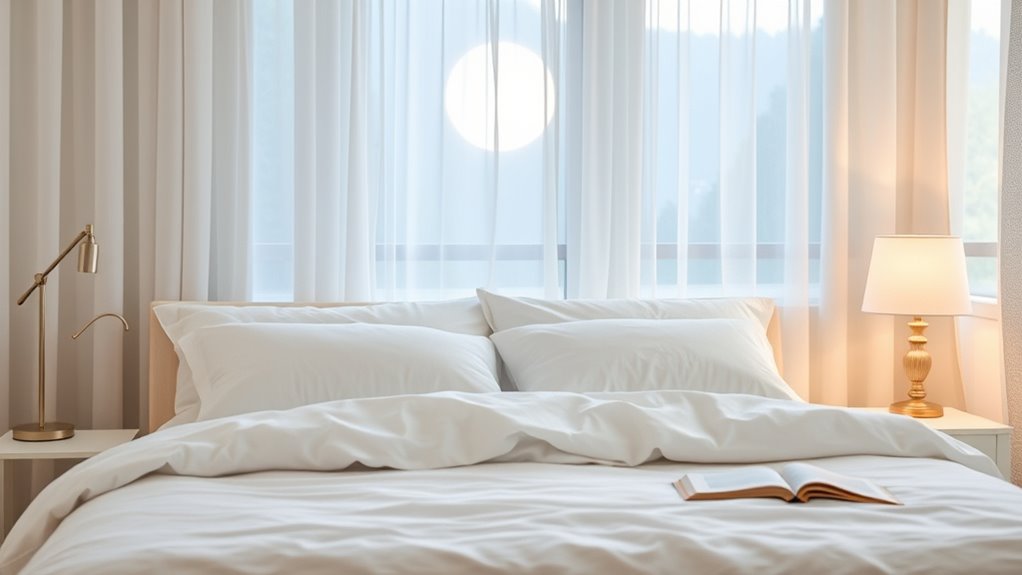

Getting quality sleep is key to supporting your mental health. When you rest well, your brain processes emotions better, reduces stress, and boosts emotional resilience. Establishing a consistent routine, minimizing screens before bed, and creating a calming environment can help you achieve restorative sleep. Sleep cycles, especially REM, play a vital role in emotional healing and self-awareness. Keep exploring ways to improve your sleep, as understanding these habits can truly transform your well-being.
Key Takeaways
- Quality sleep enhances emotional stability and cognitive function, reducing risks of anxiety and depression.
- Consistent sleep routines and proper sleep hygiene support mental resilience and mood regulation.
- REM sleep and dream therapy help process emotions and promote self-awareness for emotional healing.
- Restorative sleep resets the brain, improving stress management and overall mental well-being.
- Prioritizing good sleep habits is essential for maintaining mental health and emotional balance.

Have you ever wondered how your sleep habits impact your mental health? The truth is, quality sleep isn’t just about feeling rested; it plays a crucial role in maintaining emotional stability and cognitive function. When your sleep is disrupted or insufficient, it can lead to increased anxiety, depression, and difficulty managing stress. One way to improve your mental health is through practices like sleep hygiene, which involves creating an environment and routine conducive to restful sleep. This includes sticking to a consistent sleep schedule, minimizing screen time before bed, and avoiding caffeine late in the day. By establishing these habits, you set the stage for more restorative sleep, allowing your brain to process emotions and memories effectively. Additionally, understanding the evolution of portable restrooms can help event planners create comfortable and hygienic environments that support guests’ well-being. Dream therapy is another powerful tool that can support mental health, especially when paired with good sleep hygiene. Dream therapy involves exploring your dreams to uncover underlying emotions or unresolved conflicts that may influence your waking life. When you get enough high-quality sleep, your REM cycles—during which most dreaming occurs—become more regular and vivid. This creates an opportunity to engage with your subconscious mind, gaining insights that can reduce anxiety and promote emotional healing. Keeping a dream journal can help you remember your dreams more clearly and reflect on their meanings, further enhancing the therapeutic process. Over time, understanding your dreams can foster self-awareness and help you develop healthier coping mechanisms. Prioritizing sleep hygiene and incorporating dream therapy into your routine can have a profound impact on your mental health. When you sleep well, your brain has the chance to reset and process emotional experiences, reducing the risk of mood swings and mental health issues. Consistency is key—going to bed and waking up at the same time each day reinforces your body’s internal clock, making it easier to fall asleep and stay asleep. Creating a calming bedtime routine, such as reading or practicing relaxation techniques, signals to your brain that it’s time to wind down. Avoiding stressful activities or stimulating screens before bed helps prevent interference with your sleep cycles. As a result, you’re more likely to wake up refreshed, alert, and better equipped to manage daily stressors. In essence, improving your sleep hygiene and exploring dream therapy can be transformative for your mental well-being. When you give your brain the rest it needs, you’re actively fostering resilience, emotional clarity, and a more positive outlook on life. The connection between sleep and mental health isn’t accidental; it’s a key aspect of self-care that deserves your attention. Taking steps to optimize your sleep isn’t just about avoiding fatigue—it’s about nurturing your mind and emotional health for a happier, healthier you.

UpNature Dream Sleep Essential Oil Roll On – Natural Sleeping Blend with Lavender, Chamomile Aromatherapy Oils
Natural sleep support – Dream roll on is a soothing essential oil blend made for anyone looking for…
As an affiliate, we earn on qualifying purchases.
As an affiliate, we earn on qualifying purchases.
Frequently Asked Questions
How Does Sleep Impact Specific Mental Health Disorders Like Anxiety or Depression?
You might notice that disrupted sleep architecture and irregular dream cycles worsen anxiety and depression. Poor sleep can lead to imbalanced neurotransmitters, making it harder to manage emotions. When you get quality sleep, your dream cycles and sleep architecture improve, helping stabilize mood and reduce symptoms. Consistent rest supports mental health by restoring brain function, so prioritizing good sleep is essential for managing disorders like anxiety and depression effectively.
Can Improving Sleep Habits Prevent Future Mental Health Issues?
Improving your sleep habits can notably help prevent future mental health issues. Focus on good sleep hygiene by maintaining a consistent sleep schedule, creating a calming bedtime routine, and avoiding screens before bed. Dream analysis can also provide insights into underlying emotional stress. By prioritizing quality sleep, you support your mental resilience and reduce the risk of developing disorders like anxiety and depression.
What Are the Best Natural Remedies for Better Sleep Quality?
Imagine your mind as a garden needing gentle nurturing. You can water it with herbal teas like chamomile or valerian, which act as calming rain. Aromatherapy oils, such as lavender or bergamot, serve as soothing breezes that lull you to sleep. These natural remedies create a tranquil environment, helping your body unwind and encouraging restful, restorative sleep—bringing peace to your mind and rejuvenation to your spirit.
How Does Sleep Deprivation Affect Cognitive Functions and Emotional Regulation?
When you’re sleep-deprived, your ability to think clearly and regulate emotions takes a hit. Dream deprivation disrupts your brain’s processing, leading to memory impairment and difficulty concentrating. You may feel emotionally unstable, prone to irritability or anxiety. Without enough rest, your cognitive functions weaken, and emotional regulation becomes harder, making everyday tasks more challenging. Prioritizing quality sleep helps protect your mind and keeps your emotions balanced.
Are There Genetic Factors Influencing Sleep Patterns and Mental Health?
About 30% of sleep pattern differences stem from genetic predispositions. Your sleep habits can be influenced by sleep gene variations, which impact how easily you fall asleep or stay asleep. These genetic factors may also affect your mental health by making you more susceptible to disorders like anxiety or depression. Recognizing your genetic predispositions helps you understand your sleep needs and manage mental health more effectively.

Dream Tracker – Guided Dream Journal for Women | Self Discovery & Emotional Healing Notebook for Lucid Dreaming, Sleep Reflection, and Subconscious Awareness
Unlock the Meaning of Your Dreams – Capture dream memories before they fade and decode hidden messages from…
As an affiliate, we earn on qualifying purchases.
As an affiliate, we earn on qualifying purchases.
Conclusion
Prioritizing quality sleep is like watering a fragile garden—you nurture your mental health and help it flourish. When you make restful nights a priority, you clear the fog from your mind and restore your emotional balance. Remember, your mind’s well-being is just as essential as your physical health. Embrace good sleep habits, and watch your mental resilience grow stronger each day—like a sunrise breaking through the darkest night.
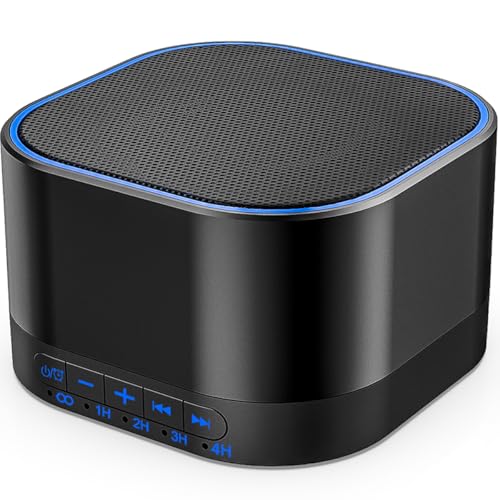
Magicteam Sound White Noise Machine with 20 Non Looping Natural Soothing Sounds and Memory Function 32 Levels of Volume Powered by AC or USB and Sleep Sound Timer Therapy for Baby Kids Adults
❤20 Non-Looping Sleep Sounds: White noise ,Brown noise, pink noise, blue noise, fan,brook, rain, ocean,bird and Bonfire,suitable for…
As an affiliate, we earn on qualifying purchases.
As an affiliate, we earn on qualifying purchases.

Breathing Lamp Guided Visual Meditation Tool for Mindfulness,Anxiety Relief&Calm Your Mind for Stress&Visual Relaxation and Restful Sleep,478 Seconds Breathing Rate Change 3 Colors,Gift for Kids
Breathing Lamp Function: A mindful breathing lamp is a powerful and effective tool that can help you reduce…
As an affiliate, we earn on qualifying purchases.
As an affiliate, we earn on qualifying purchases.