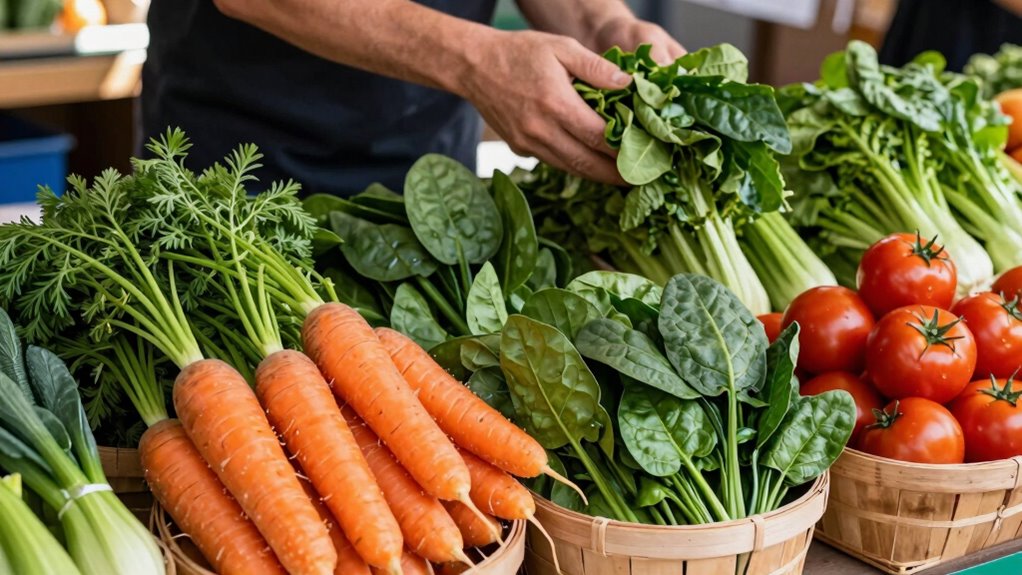

To make climate-conscious food choices without extremes, focus on small, mindful adjustments like planning meals, buying local and seasonal foods, and reducing waste through proper storage and leftovers. Opt for eco-friendly packaging when possible and incorporate more plant-based options into your diet. Avoid highly processed foods and choose products with recyclable or reusable packaging. Remember, every conscious decision counts, and as you explore further, you’ll discover even more practical ways to support a sustainable food system.

Get health and wellness essentials delivered free with Prime
- Fast, free delivery on millions of items
- Prime Video, Amazon Music and more included
- Member-only deals all year
Key Takeaways
- Incorporate more plant-based foods gradually to reduce environmental impact without drastic dietary changes.
- Purchase locally produced, seasonal foods to decrease transportation emissions while maintaining variety.
- Choose products with eco-friendly, recyclable packaging to support sustainability without sacrificing convenience.
- Plan meals carefully to minimize food waste and store leftovers creatively for ongoing consumption.
- Stay informed about sustainable options and adjust choices over time to balance environmental goals with practicality.
Making climate-conscious food choices can profoundly reduce your carbon footprint and help combat climate change. One of the most effective ways to do this is by minimizing food waste. When you buy more than you need or let leftovers spoil, you’re contributing to unnecessary greenhouse gas emissions. To avoid this, plan your meals carefully, buy only what you’ll consume, and store food properly to extend its freshness. Using leftovers creatively not only cuts waste but also saves money. Additionally, pay attention to expiration dates and use the “first in, first out” method to *guarantee* older items are used before newer ones. These small steps can *considerably* decrease the amount of food ending up in landfills, where it produces methane—a potent greenhouse gas.
Reducing food waste through careful planning and proper storage significantly lowers greenhouse gas emissions and environmental impact.
Another key aspect is choosing products with sustainable packaging. Packaging often accounts for a *noteworthy* portion of a product’s environmental impact. Look for items packaged in materials that are recyclable, compostable, or made from renewable resources. Avoid single-use plastics whenever possible, and opt for bulk or loose items that generate less waste. Bringing your own reusable bags, containers, and produce bags can further reduce reliance on disposable packaging. Supporting brands that prioritize eco-friendly packaging sends a clear message that sustainability matters and encourages wider industry shifts toward greener practices.
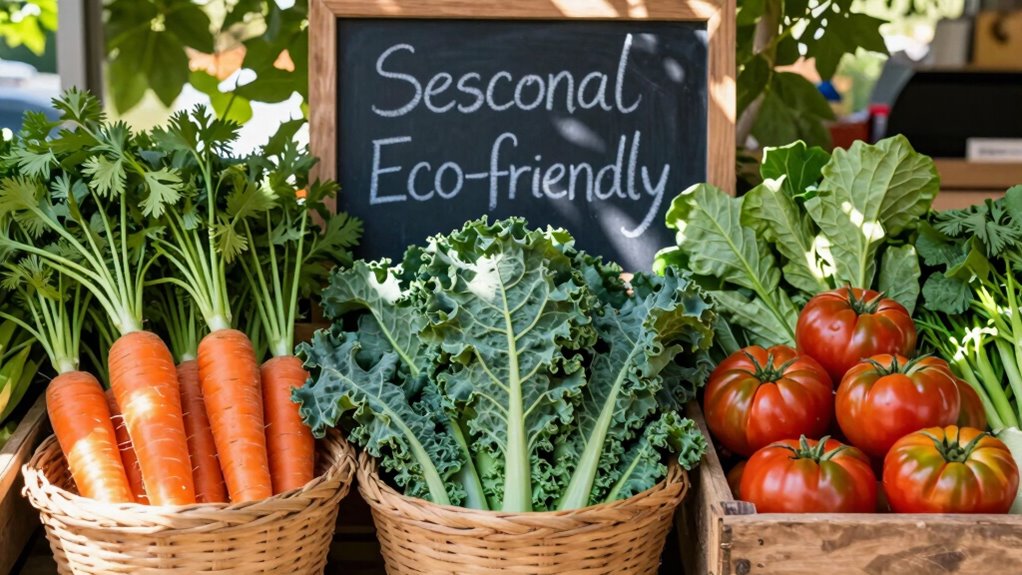
Balancing your food choices doesn’t mean you have to make drastic changes or follow extreme diets. Instead, aim for moderation and mindful consumption. Incorporate more plant-based foods into your diet, as they typically have a *lesser* carbon footprint compared to meat and dairy. Reducing your intake of highly processed or packaged foods can also help minimize environmental impact. Focus on buying locally produced, seasonal foods whenever possible, since they usually require less transportation and storage energy. These small adjustments, when done consistently, add up to a more sustainable lifestyle without feeling restrictive.
Finally, stay informed and flexible. Food systems are complex, and new sustainable options are continually emerging. By staying aware of your choices and adapting as needed, you can make a positive impact without feeling overwhelmed. Remember, every small step counts, and your conscious decisions contribute to a larger movement toward a more sustainable and resilient food system. Making mindful choices about food waste, sustainable packaging, and balanced consumption empowers you to make a real difference in tackling climate change—without the need for extreme measures.
As an affiliate, we earn on qualifying purchases.
Frequently Asked Questions
How Can I Reduce Food Waste at Home Effectively?
You can reduce food waste at home by practicing proper food preservation—like storing leftovers correctly and freezing perishables. Use composting techniques for scraps and peels instead of throwing them away, which helps enrich your soil and reduces landfill waste. Plan your meals carefully, buy only what you need, and stay organized in your pantry. These small steps make a big difference in minimizing waste and supporting a climate-conscious lifestyle.
Are Plant-Based Diets Always More Sustainable?
Plant-based diets aren’t always more sustainable, especially when you consider plant-based myths and sustainable farming practices. Some plant foods require intensive resources or involve long transportation routes, reducing their environmental benefits. You can make better choices by focusing on locally-sourced, seasonal produce and supporting farms that prioritize sustainable farming. This way, your diet aligns more with eco-friendly principles without relying solely on plant-based options.
What Are Some Affordable Climate-Friendly Food Options?
Did you know that affordable climate-friendly foods can cut your carbon footprint considerably? You can choose bulk grains and beans, which use less packaging and are budget-friendly. Opt for locally-sourced produce to reduce transportation emissions. Incorporate sustainable seafood options, like wild-caught or certified sustainable brands, to support ocean health. Avoid excessive food packaging by shopping at farmers’ markets or using reusable bags, making eco-conscious choices easier and more affordable.
How Does Seasonality Impact Food Sustainability?
Seasonality greatly impacts food sustainability because seasonal eating aligns with agricultural cycles, reducing the need for energy-intensive greenhouse farming and long-distance transportation. When you choose foods that are in season, you support local farmers and decrease your carbon footprint. This practice also encourages a diverse diet, promotes crop health, and minimizes waste, making your food choices more eco-friendly and resilient to climate change.
Can Shopping Locally Truly Lower My Carbon Footprint?
Shopping locally can considerably lower your carbon footprint because you’re supporting local farms that often use fewer resources. When you buy seasonal produce from a local farm, it requires less transportation and refrigeration, reducing emissions. Plus, seasonal produce is fresher and more sustainable. By choosing locally sourced, seasonal foods, you help cut down on the environmental impact of long-distance food transport and support your community’s agricultural practices.
eco-friendly food storage containers
As an affiliate, we earn on qualifying purchases.
As an affiliate, we earn on qualifying purchases.
Conclusion
As you weave mindful food choices into your daily life, imagine yourself as a gentle gardener tending a vibrant, resilient garden. Each conscious decision is a seed planted in fertile soil, growing into a lush landscape that sustains both your health and the planet. By balancing your plate with variety and moderation, you nurture a harmonious ecosystem—a symphony of flavors and sustainability. Together, your small steps ripple outward, creating a brighter, more sustainable future for all.
As an affiliate, we earn on qualifying purchases.
As an affiliate, we earn on qualifying purchases.
Halloween Picks
halloween
As an affiliate, we earn on qualifying purchases.