
Protein timing matters more for you if you’re an athlete or engaged in intense training because your muscles need quick repair and growth signals after workouts. Consuming protein at the right times can speed up recovery and maximize gains, whereas casual exercisers may not see as much benefit if their overall daily protein intake is sufficient. Your body’s response varies based on activity level and goals—stick around to discover how tailored strategies can boost your results further.

Get health and wellness essentials delivered free with Prime
- Fast, free delivery on millions of items
- Prime Video, Amazon Music and more included
- Member-only deals all year
Key Takeaways
- Athletes and strength athletes benefit more from precise protein timing for optimal muscle repair and growth.
- Individuals with higher training intensity or volume see greater advantages from strategic protein intake.
- Less active or sedentary people may not need strict timing if their daily protein needs are met.
- Personalized responses and goals influence how critical timing is for maximizing muscle recovery.
- Protein quality and digestion rates determine how effectively timing strategies support individual muscle maintenance.
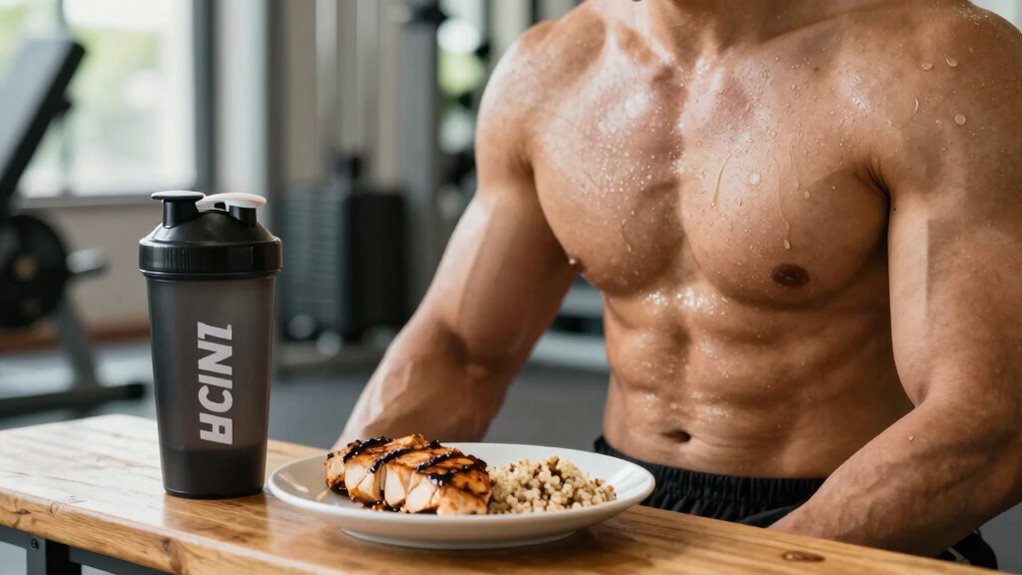
Understanding when you consume protein can considerably impact your fitness goals. Timing your protein intake influences how effectively your body performs muscle repair and maximizes nutrient absorption. When you eat protein at the right moments, you give your muscles the building blocks they need to recover and grow faster. This is especially true if you’re engaged in regular strength training or endurance activities. Proper protein timing ensures that your body can efficiently repair damaged muscle fibers, which is vital after workouts. If you miss these ideal windows, your muscles may not recover as well, potentially slowing progress and increasing the risk of injury.
Timing your protein intake enhances muscle repair and supports faster recovery after workouts.
Nutrient absorption plays a key role in how your body utilizes the protein you consume. When you eat protein, your digestive system breaks it down into amino acids, which then enter your bloodstream. The rate of nutrient absorption can vary depending on the timing and type of protein you choose. Consuming protein shortly after exercise can lead to a rapid increase in amino acids in your blood, promoting muscle repair more effectively. Conversely, spreading your protein intake evenly throughout the day can maintain a steady supply of amino acids, supporting ongoing muscle maintenance and preventing muscle breakdown. If your goal is to maximize muscle growth, understanding when to eat protein can make a noticeable difference. Additionally, timing strategies can help optimize recovery and support muscle gains, especially for those engaged in intense training regimens.
Some people notice more significant benefits from strategic protein timing because their bodies respond more sensitively to nutrient intake patterns. For example, athletes or those who lift weights regularly may find that consuming protein within a window of 30 to 60 minutes post-workout helps maximize muscle repair. For others, especially those with less intense activity levels, the timing may be less critical, as long as overall daily protein needs are met. Still, even in these cases, spaced protein intake throughout the day can improve nutrient absorption and overall muscle health. Moreover, individual body response to nutrient timing can vary significantly, making personalized strategies more effective. Additionally, timing strategies can help optimize recovery and support muscle gains, especially for those engaged in intense training regimens.
Research also indicates that protein quality can influence how effectively your body utilizes amino acids, further underscoring the importance of choosing the right type of protein for your schedule. Recent studies highlight that protein digestion rates can differ based on the source, impacting how quickly amino acids become available in your bloodstream. Ultimately, how much protein timing matters depends on your individual fitness goals, activity level, and body response. If you’re aiming for rapid muscle repair and growth, paying close attention to when you eat protein can provide a competitive edge. However, for general health or maintenance, focusing on overall daily intake might be sufficient. Knowing your body’s unique response and adjusting your eating schedule accordingly can help you maximize your results and support your long-term fitness journey.
whey protein powder for muscle recovery
As an affiliate, we earn on qualifying purchases.
As an affiliate, we earn on qualifying purchases.
Frequently Asked Questions
Does Protein Timing Affect Muscle Growth Differently for Men and Women?
Yes, protein timing affects muscle growth differently for men and women because hormonal differences influence muscle synthesis. Men typically have higher testosterone levels, boosting muscle building, so timing is less critical. Women’s hormonal fluctuations mean timing protein intake around workouts can optimize muscle synthesis. You might see better results by focusing on when you consume protein, especially if you’re aiming to maximize muscle growth and recovery based on your hormonal profile.
Can Protein Timing Improve Athletic Performance Beyond Muscle Recovery?
Think of your body as a finely tuned engine, where timing is key to peak performance. Proper protein timing can boost athletic performance beyond muscle recovery by maximizing nutrient absorption and digestive efficiency. When you consume protein at the right moments, your body uses those nutrients more effectively, fueling endurance, speed, and power. This strategic approach helps you push harder and recover faster, turning small gains into major victories.
How Does Age Influence the Importance of Protein Timing?
Age influences the importance of protein timing because age-related metabolism slows down, making it harder to rebuild muscle efficiently. For senior nutrition, timely protein intake becomes essential to maintain muscle mass and strength. You might find that spreading protein evenly throughout the day or consuming it shortly after activity helps offset these metabolic changes, ensuring your muscles stay healthy and functional as you age.
Are There Specific Types of Protein Better for Timing Strategies?
Certain protein sources, like whey, are better for timing strategies because they digest quickly, fitting perfectly into your timing window. Slow-digesting proteins such as casein work best when you have a longer window, like before bed. Choosing the right type depends on when you’re consuming it; quick proteins hit your system fast, while slow ones provide sustained release, ensuring your muscles get the nutrients they need exactly when they need them.
Does Protein Timing Impact Weight Loss or Fat Loss Goals?
Protein timing can impact your weight loss or fat loss goals, especially if you focus on meal frequency and nutrient absorption. Consuming protein around workouts helps maximize muscle repair and keeps you full longer, reducing overall calorie intake. However, if you eat enough protein throughout the day, the exact timing becomes less critical. Your body’s ability to absorb nutrients and how often you eat influences how much protein benefits your fat loss efforts.
protein shaker bottle with timing compartments
As an affiliate, we earn on qualifying purchases.
As an affiliate, we earn on qualifying purchases.
Conclusion
Think of protein timing as tending a delicate garden; for some, watering at the right moments helps their progress flourish, while others see less benefit. Your body’s response depends on your goals, activity level, and metabolism. By understanding your unique needs, you can nurture your growth more effectively. Remember, it’s not just about watering more, but watering wisely—cultivating your strength with precision turns your efforts into a thriving, resilient garden.
fast digesting protein supplements
As an affiliate, we earn on qualifying purchases.
As an affiliate, we earn on qualifying purchases.
As an affiliate, we earn on qualifying purchases.
Fall Picks
fall essentials
As an affiliate, we earn on qualifying purchases.