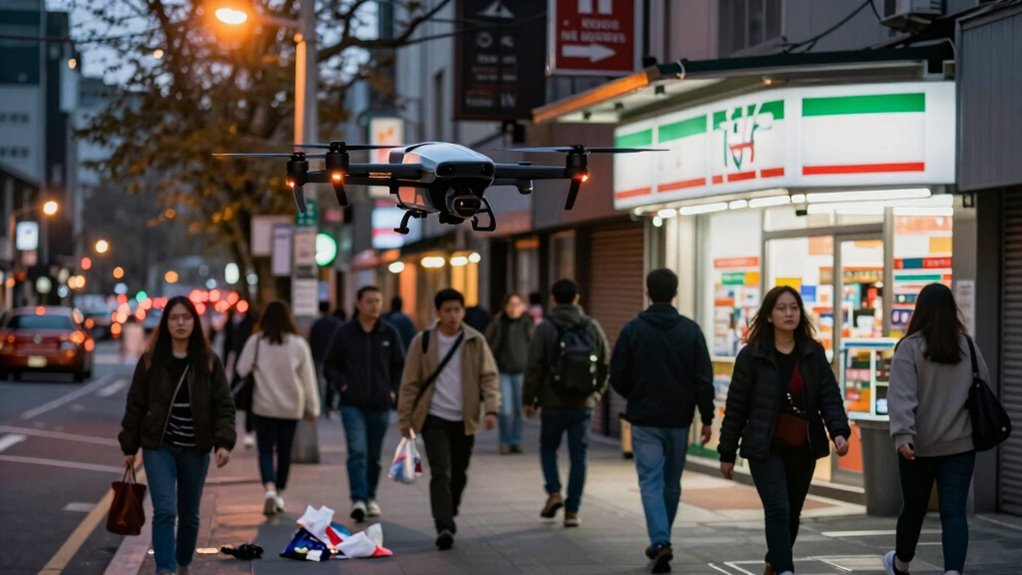

Choosing convenience isn’t just about saving time; it’s a moral decision with global consequences. Your preferences impact the environment through resource use, e-waste, and pollution, often without you realizing. Relying on quick solutions can also perpetuate biases, erode privacy, and deepen inequalities. Every easy choice you make can ripple into larger societal and ecological issues. To understand how your daily habits shape the world, exploring these ethical dimensions becomes essential.

Get health and wellness essentials delivered free with Prime
- Fast, free delivery on millions of items
- Prime Video, Amazon Music and more included
- Member-only deals all year
Key Takeaways
- Choosing convenience often leads to environmental harm and resource depletion, raising ethical concerns about sustainability.
- Dependence on technology for ease can obscure accountability and perpetuate biases, impacting societal fairness.
- Instant gratification promotes disposable products and waste, contributing to pollution and ethical dilemmas around responsible consumption.
- Prioritizing convenience may overlook long-term societal and ecological impacts, affecting future generations.
- Ethical decision-making involves balancing immediate benefits of convenience with responsibilities toward environmental and social well-being.
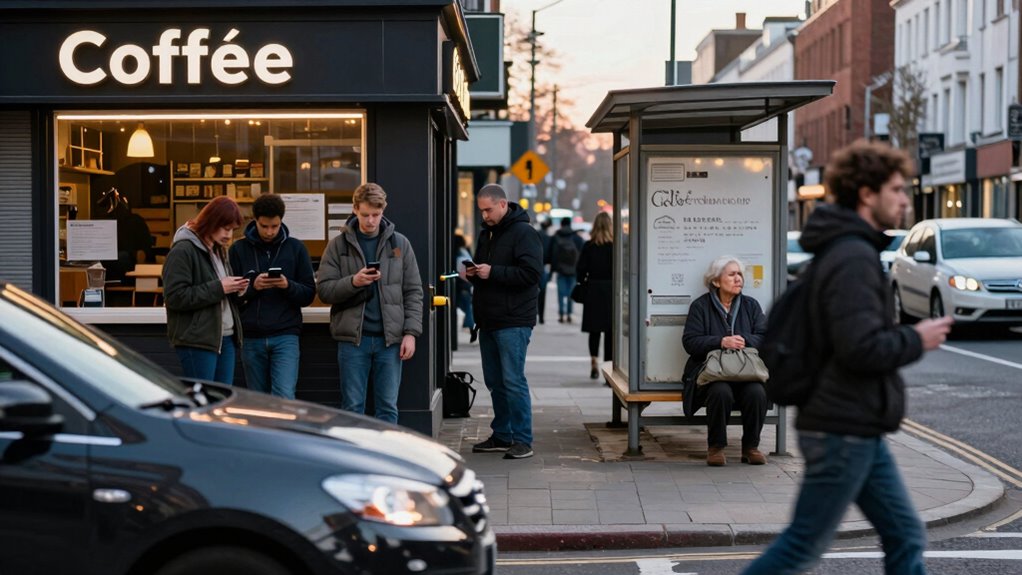
Have you ever stopped to contemplate that choosing convenience might have moral implications? It’s easy to see convenience as a neutral, even harmless, aspect of modern life. But beneath that simplicity lie complex issues, especially when you consider the technological implications and environmental impact. Every time you opt for a quick solution—whether it’s a fast-food meal, a ride-share, or a new gadget—you’re indirectly shaping the future of society and the planet. Technology has made life more convenient, but it also raises questions about sustainability and responsibility. For instance, the rapid development of smart devices and automation often leaves a trail of electronic waste, which contributes to environmental degradation. When you prioritize the latest tech for convenience, you might overlook the environmental costs, like increased resource extraction, energy consumption, and pollution. These choices aren’t just personal—they ripple outward, affecting ecosystems and communities globally.
On a technological level, convenience can accelerate innovation but also deepen ethical dilemmas. You might find yourself relying on AI or algorithms that make decisions on your behalf, but have you ever thought about the moral implications of those choices? These systems often lack transparency, and their design can perpetuate biases or obscure accountability. By choosing convenience over deliberate consideration, you could be endorsing technologies that undermine privacy or widen social inequalities. You might feel that using a particular app or device is just part of everyday life, but in doing so, you’re contributing to a larger cultural shift that prioritizes speed and ease over ethical reflection. Additionally, the contrast ratio in projectors plays a crucial role in visual quality, especially in dark scenes, highlighting how technological choices impact our viewing experiences. Recognizing the environmental costs associated with tech use can help inform more responsible decisions. Furthermore, the rapid pace of technological change can lead to planned obsolescence, prompting consumers to replace devices more frequently and fueling electronic waste.
Furthermore, the environmental impact of convenience is often underestimated. The push for instant gratification leads to a surge in disposable products, single-use plastics, and fast fashion—all of which threaten sustainability. Your preference for convenience might mean supporting practices that deplete natural resources or pollute the environment, sometimes without even realizing it. This becomes a moral concern because it involves the long-term health of the planet and future generations. When you choose convenience, you’re also choosing whether to bear some responsibility for these consequences. Recognizing this relationship can empower you to make more conscious decisions, balancing immediate benefits with the broader ethical considerations of environmental stewardship and technological responsibility. As society becomes increasingly driven by instant gratification, the importance of ethical consumption grows stronger, urging us to reflect on the true cost of convenience.
In the end, convenience isn’t just a matter of personal preference. It’s intertwined with moral questions about the kind of world you want to help create. Being mindful of the technological implications and environmental impact behind your choices can lead to more ethical, sustainable habits. It’s about understanding that every convenience has a cost—sometimes hidden—and that your actions can either contribute to a healthier planet or accelerate its decline.
eco-friendly reusable water bottles
As an affiliate, we earn on qualifying purchases.
As an affiliate, we earn on qualifying purchases.
Frequently Asked Questions
How Does Convenience Influence Consumer Choices Ethically?
Convenience influences your choices ethically by encouraging technological dependency and fostering ethical complacency. When you prioritize quick solutions, you might overlook the broader impacts on society and the environment. This ease can lead you to ignore ethical considerations, such as sustainability or fair labor practices. By being aware of these influences, you can make more mindful decisions, balancing convenience with responsibility, instead of just opting for the easiest option.
Can Prioritizing Convenience Lead to Environmental Harm?
Prioritizing convenience is like walking a tightrope over environmental harm; it can lead to significant damage. Your technological dependence fosters environmental complacency, making you less aware of the consequences of quick fixes. When convenience outweighs sustainability, you risk increasing waste and energy consumption. This short-term mindset harms ecosystems and depletes resources, showing that convenience isn’t just a personal choice—it’s a moral decision that impacts the planet’s future.
Who Bears Responsibility for the Moral Implications of Convenience?
You bear responsibility for the moral implications of convenience through your choices. By practicing ethical consumerism, you can support companies that prioritize sustainability and fairness. Recognize that every convenience involves moral trade-offs, so weighing environmental and social impacts is crucial. Your decisions influence broader systems, making you an indispensable part of the moral landscape. Embracing conscious consumption helps guarantee convenience aligns with ethical principles, reducing harm and promoting positive change.
How Does Convenience Impact Societal Inequality?
Convenience is like a double-edged sword, slicing through societal equality. When you rely on technology, it deepens dependence, often leaving marginalized groups behind. This technological dependence widens the gap, creating a chasm of social isolation for those without access. As you prioritize ease, you inadvertently reinforce inequality, making it harder for disadvantaged communities to bridge the divide and access the opportunities that convenience can provide.
Are There Moral Limits to Sacrificing Convenience?
Yes, there are moral limits to sacrificing convenience. You should consider how technological dependency might weaken personal resilience and cultural erosion could diminish societal diversity. Sacrificing convenience for ethical reasons, like protecting the environment or preserving traditions, is often justified. However, you must balance these concerns to avoid excessive reliance on technology or damaging cultural identities, ensuring your choices promote sustainable and respectful progress.
energy-efficient smart home devices
As an affiliate, we earn on qualifying purchases.
As an affiliate, we earn on qualifying purchases.
Conclusion
So, next time you reach for the easiest option, remember that convenience isn’t just a shortcut—it’s a moral crossroads. Like a tightrope walker balancing between ease and ethics, your choices ripple outward, shaping a better or worse world. Convenience can be a double-edged sword, slicing through what’s right if you’re not careful. Choose wisely, because what feels quick today could become a long-lasting stain on your conscience tomorrow.
biodegradable disposable tableware
As an affiliate, we earn on qualifying purchases.
As an affiliate, we earn on qualifying purchases.
As an affiliate, we earn on qualifying purchases.
Columbus Day / Indigenous Peoples' Day Picks
long weekend sales
As an affiliate, we earn on qualifying purchases.