
TL;DR

Get health and wellness essentials delivered free — and shop member deals
- Fast, free delivery on millions of items
- Access to Prime Big Deal Days deals on October 6–7
- Prime Video, Amazon Music and more included
Fitness site Fit&Well has published a 10-minute beginner Pilates routine by instructor Hannah Lawrence of Sundrop Pilates, built around seven low-impact moves aimed at easing back and hip stiffness. Lawrence advises moving slowly and stopping if any exercise causes pain.
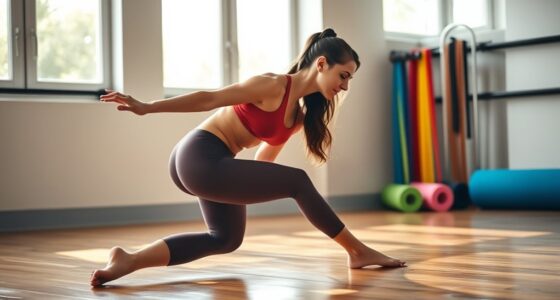
Fitness publication Fit&Well has published a 10-minute beginner Pilates flow designed to ease stiffness in the back and hips, consisting of seven low-impact exercises that require no equipment beyond an exercise mat. The routine was created by Hannah Lawrence, an instructor with Sundrop Pilates, and is pitched at people new to Pilates who want to improve day-to-day mobility.
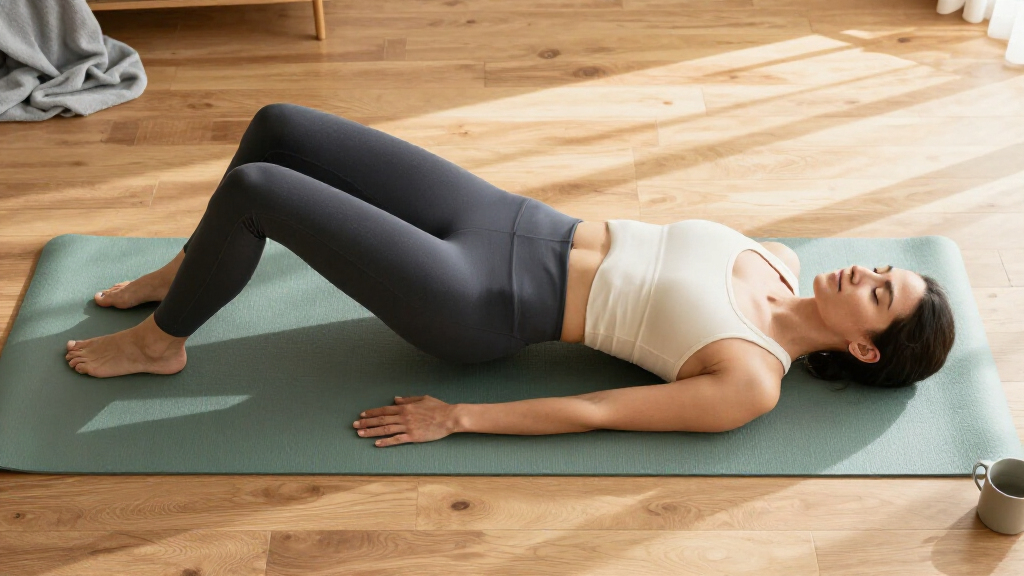
According to the Fit&Well report, the session is built around seven movements: a pelvic curl or bridge (6–8 reps), cat-cow (10 reps), a mermaid side bend (one minute per side), a single-leg forward fold (30–60 seconds per side), a single-leg hamstring stretch (one minute per side), a Pilates roll down (3–4 reps), and supine knee rocks (5 reps per side). Together the exercises target the spine, hips and hamstrings, with several performed lying down.
Lawrence says the goal is functional improvement rather than simply maintaining current mobility. “The idea is that sitting cross-legged and reaching toward your toes will start to feel more comfortable and natural,” she told Fit&Well. The report frames the routine as an investment in long-term joint health, arguing that keeping joints strong and mobile now supports easier movement in later years.
Lawrence advises moving slowly through each exercise and ensuring every position feels like a stretch but does not cause pain. She also offers modifications — for example, bending the knees more during the roll down if the hamstrings are tight — and suggests pointing and flexing the foot during the hamstring stretch if it feels comfortable.
Why a Short Mobility Routine Matters
The routine addresses two of the most common complaints among desk-based and sedentary adults: lower-back stiffness and tight hips. Its 10-minute length and beginner-level design lower the barrier to entry for people who may find longer gym sessions impractical, and none of the movements require equipment, making the routine accessible at home.
The claimed benefit goes beyond flexibility. According to Fit&Well, the session is intended to improve the ability to move and hold positions — such as sitting cross-legged or reaching toward the toes — that many adults find uncomfortable. If practiced consistently, the routine could contribute to better spinal mobility and hip function, though the publication does not cite clinical studies measuring specific outcomes.
How the Seven Exercises Work
The routine blends classic Pilates and mobility movements. The pelvic curl involves peeling the spine off the mat one vertebra at a time until the knees, hips and shoulders align, then rolling back down. The cat-cow, performed on hands and knees, alternates arching and rounding the back with the breath, moving “slowly, feeling each segment of the back move,” according to the published instructions.
The mermaid side bend is performed seated, reaching one arm overhead while bending the torso to the opposite side and keeping the buttocks on the floor. The single-leg forward fold and lying hamstring stretch target the hamstrings, a muscle group whose tightness is often linked to lower-back discomfort. The session closes with a standing roll down through the spine and supine knee rocks, in which both knees fall to one side while the shoulders stay pressed into the mat, mobilizing the lower back and hips.
Building the Routine Into a Weekly Schedule
For readers interested in trying the flow, the immediate next step is straightforward: the full instructions, including repetition counts and video demonstrations for each exercise, are available on the Fit&Well website. Because the routine takes about 10 minutes, it can fit into a morning, a work break, or a cool-down after other training.
Beginners are advised by the instructor to prioritize slow, controlled movement and comfort over range of motion, using the suggested modifications — such as deeper knee bends — where needed. Anyone experiencing pain during or after the movements, or managing an existing back or hip condition, should speak with a healthcare professional before continuing.
Key Questions
How long does the beginner Pilates flow take?
The routine takes approximately 10 minutes, according to Fit&Well, and consists of seven exercises performed for set repetitions or timed holds.
Do I need equipment for this Pilates routine?
No equipment beyond an exercise mat is required. All seven movements use bodyweight and are performed lying down, seated, on hands and knees, or standing.
Is the routine suitable for complete beginners?
Yes, it is designed as a beginner-level flow. Instructor Hannah Lawrence advises moving slowly, ensuring each position feels like a stretch without pain, and using modifications such as bending the knees more if the hamstrings are tight.
What areas of the body does the routine target?
The exercises focus on the spine, hips and hamstrings, including the lower back, with movements such as the pelvic curl, cat-cow, mermaid side bend and supine knee rocks.
Can this routine help with existing back pain?
The routine is intended to ease general stiffness, but Fit&Well does not claim it treats back pain, and its benefits are not backed by cited clinical research. Anyone with a back or hip injury or chronic pain should consult a qualified healthcare professional before starting.
Source: rss
Fall Picks
fall essentials
As an affiliate, we earn on qualifying purchases.